There are dishes that taste like a season arriving, and dishes that carry a story. ‘Risi e bisi’ – Venetian rice and peas – is both.
Every year on 25 April, Venice celebrates San Marco, its patron saint. For centuries, the first peas from the Sant’Erasmo gardens – those bright, tender pods of early spring – were brought to the city as an offering. They were the season’s earliest harvest, a gift to Venice and a reminder of its deep-rooted traditions.
Across Italy, the same day marks Liberation Day: a moment of remembrance, gratitude, and renewed hope. It’s also the day when women are traditionally given a red rose as a gesture of affection, but also as a symbol of resilience, beauty, and the strength that carries families and communities forward.
And so, in April, Venetian tables fill with ‘risi e bisi’: a dish that brings renewal to the table.
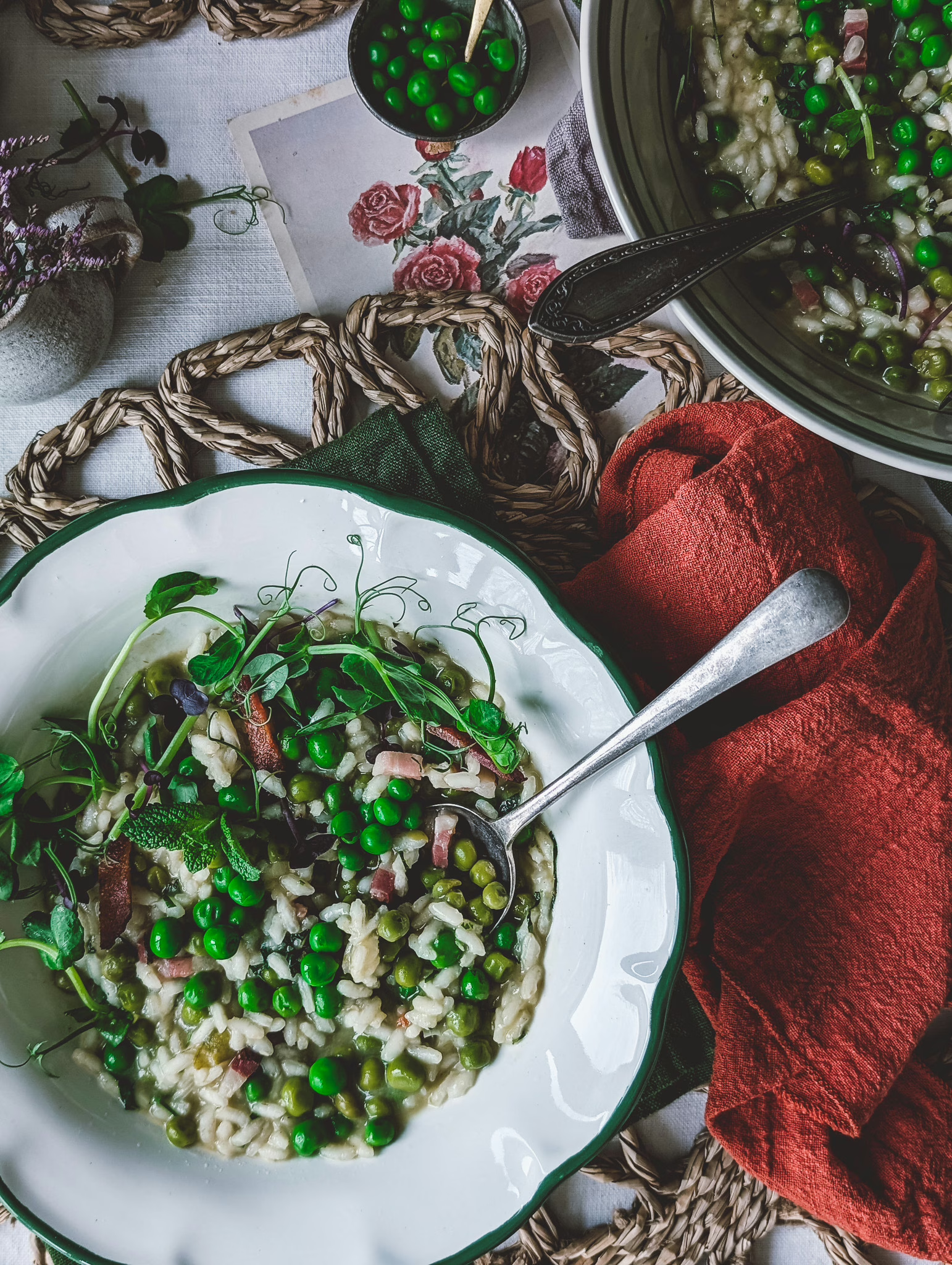
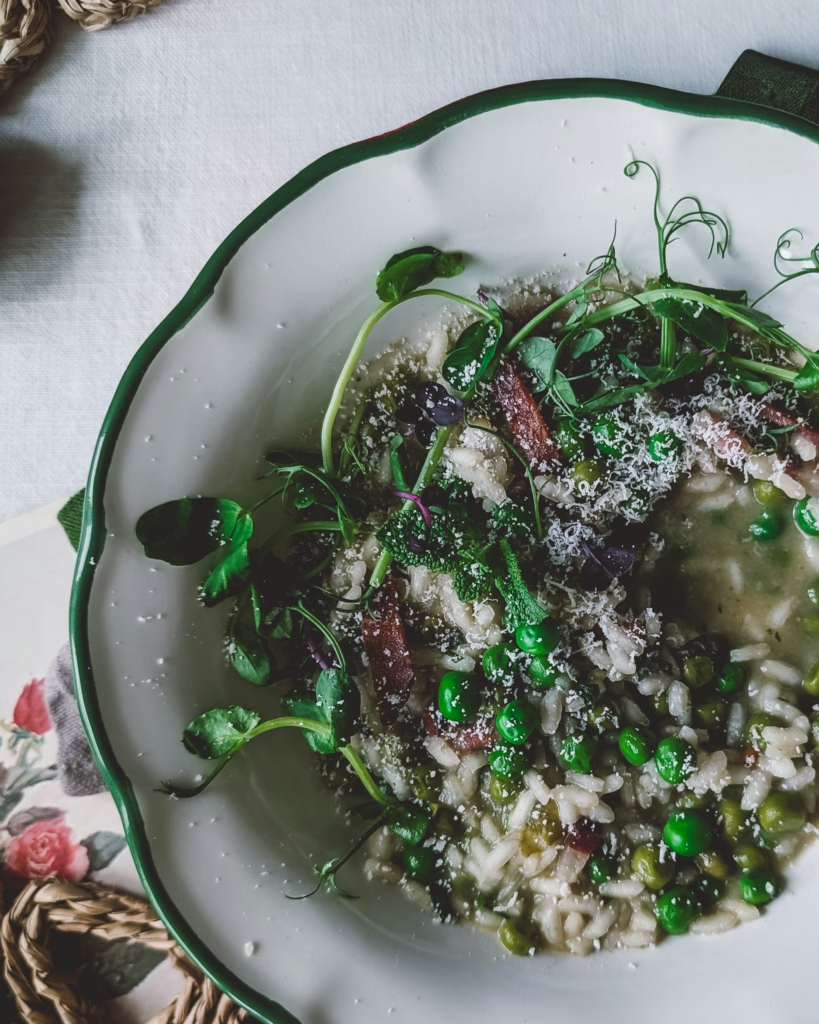
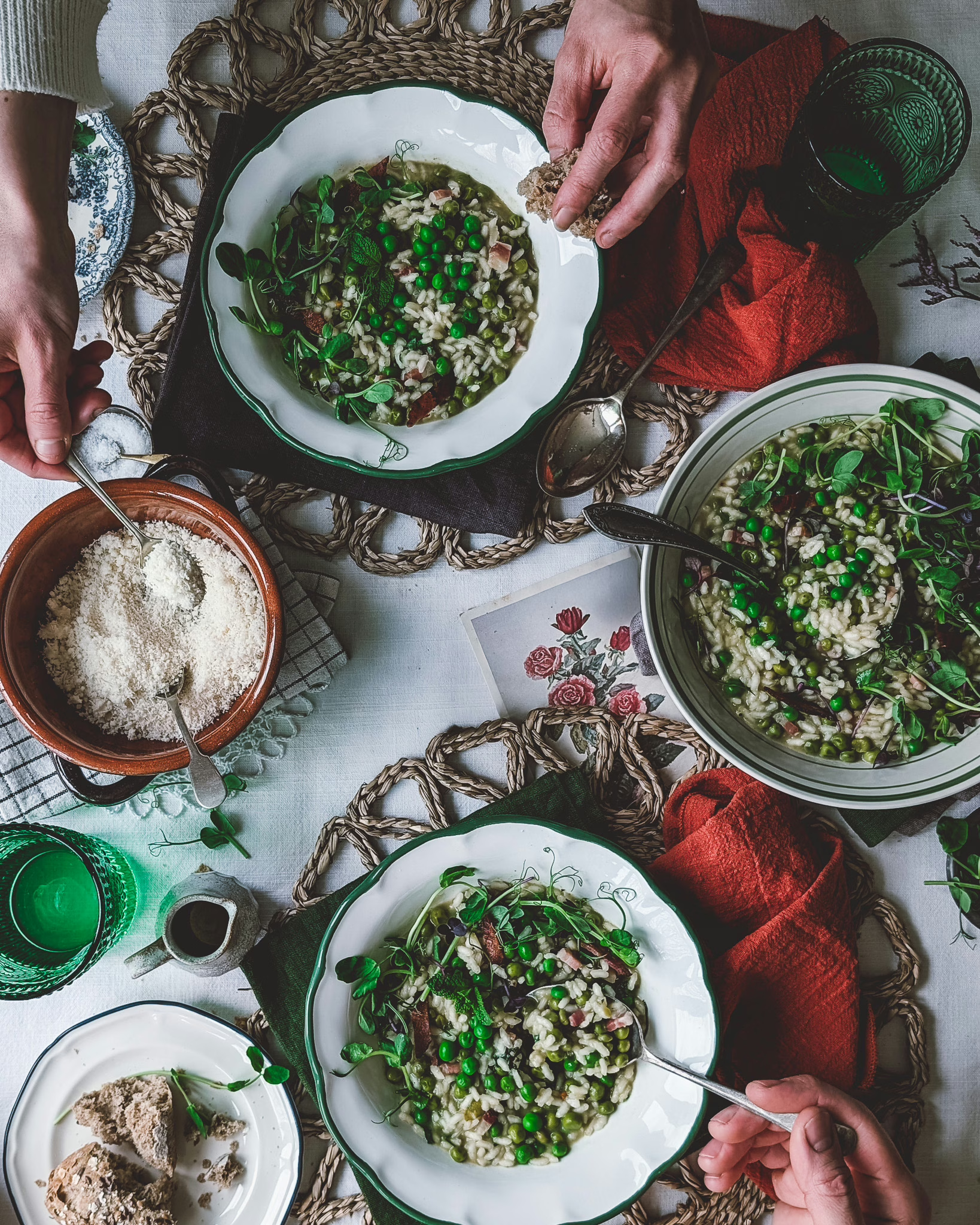
The dish sits in that uniquely Venetian space between a risotto and a soup: not brothy, not creamy, but a soft, spoonable onda that reminds us of the simple beauty of seasonal ingredients.
And for us it’s even more than this. It’s rooted in our families’ histories, carried through gardens, kitchens, and the people who taught us how to taste ingredients with care.
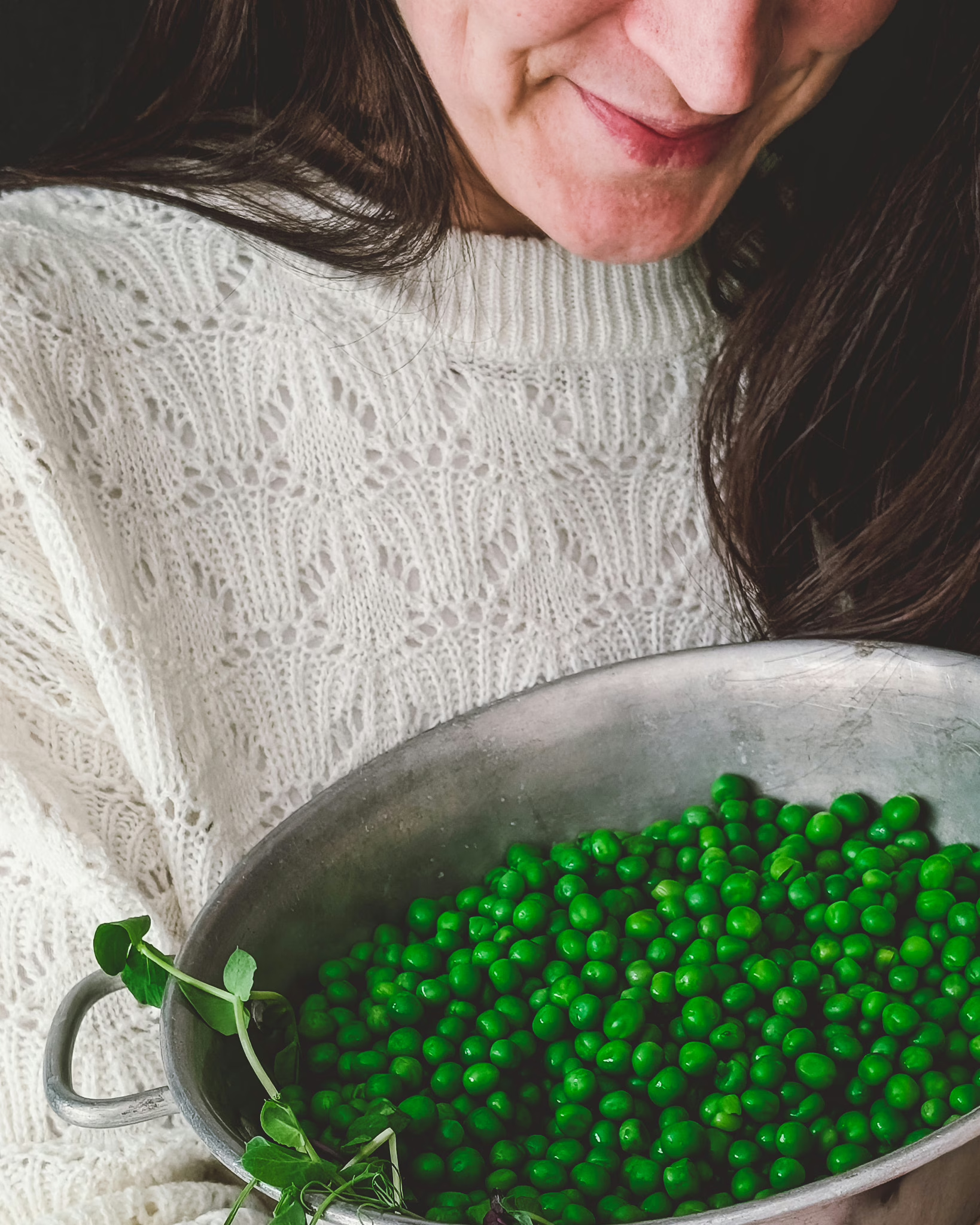
For Agnes, ‘risi e bisi’ has always begun long before the pot hit the stove, in her parents’ vegetable garden, where the first peas of the season were always a small celebration. She remembers the snap of the pods, the way they filled her hands, and how they would spill across the kitchen table once brought inside. Her mum would put the radio on, and together they would pod peas for what felt like hours. Agnes was regularly told off – she couldn’t resist eating the empty pods raw.
For Fabio, whose mother was born and raised in Venice, ‘risi e bisi’ is inseparable from 25 April. It was the dish that had to be on the table, out of joy. It symbolised abundance, renewal, and the generosity of spring.
These are the memories that return each spring, when the first peas appear, small reminders of the gardens, kitchens, and family tables that shaped us. They’re the quiet threads that connect our past to the way we cook today and carrying a little of that Venetian spring in our own kitchen.
Notes from our Venetian kitchen
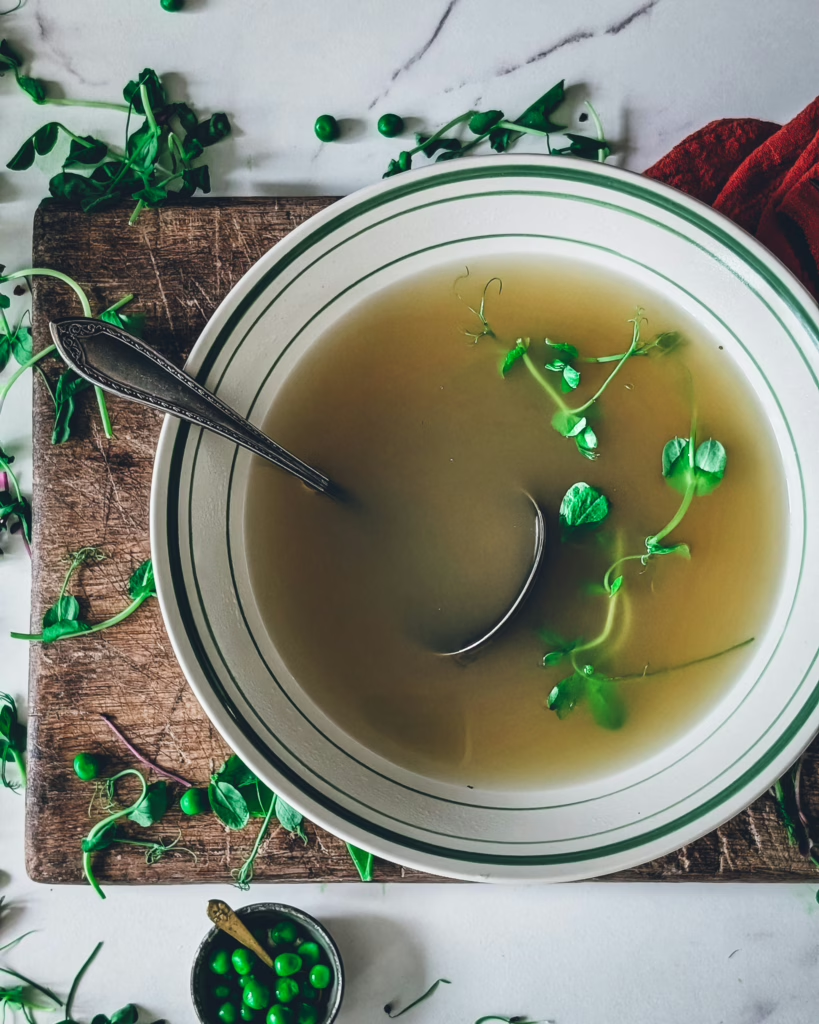
Traditionally, ‘risi e bisi’ begins with the peas, all of them. The pods are simmered into a fragrant stock that gives the dish its deeper, greener, more intense colour. Some families even blitz the pods into the broth for extra vibrancy.
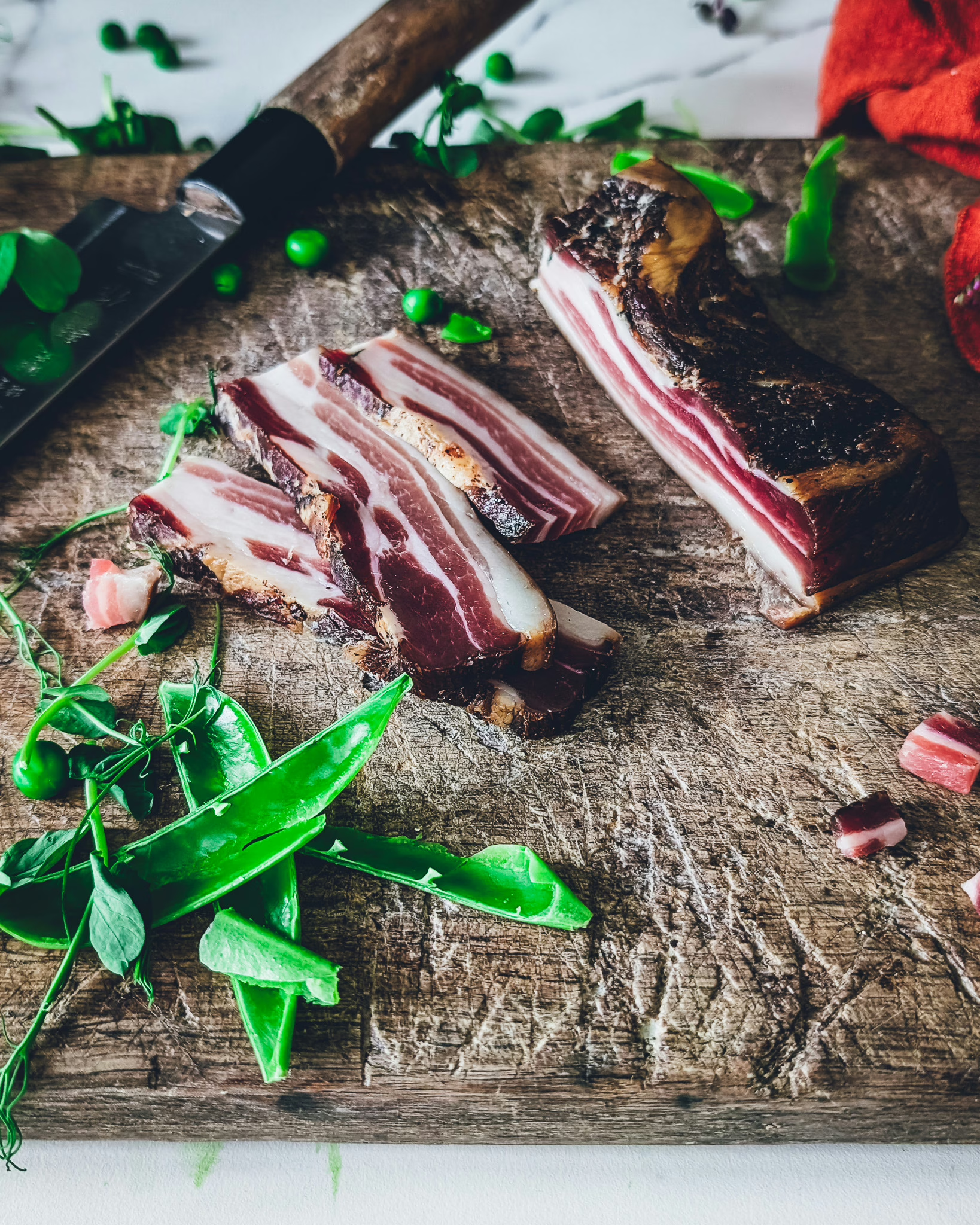
In our home, we stay close to the version our parents made: pods simmered gently, strained, and used as the base of the dish. And yes, pancetta often found its way into the pot too, a savoury lift that balances the sweetness of the peas without overpowering them. Optional, but always welcome.
‘Risi e bisi’ is not a show‑off dish. It’s subtle, and unpretentious. It carries meaning and flavour without needing to shout. Too often we forget what ingredients actually taste like, their sweetness, their earthiness, their quiet complexity. This dish brings us back to that truth. It’s not complicated. It’s just joyful.
Spring, memory, and the true taste of rice and peas.
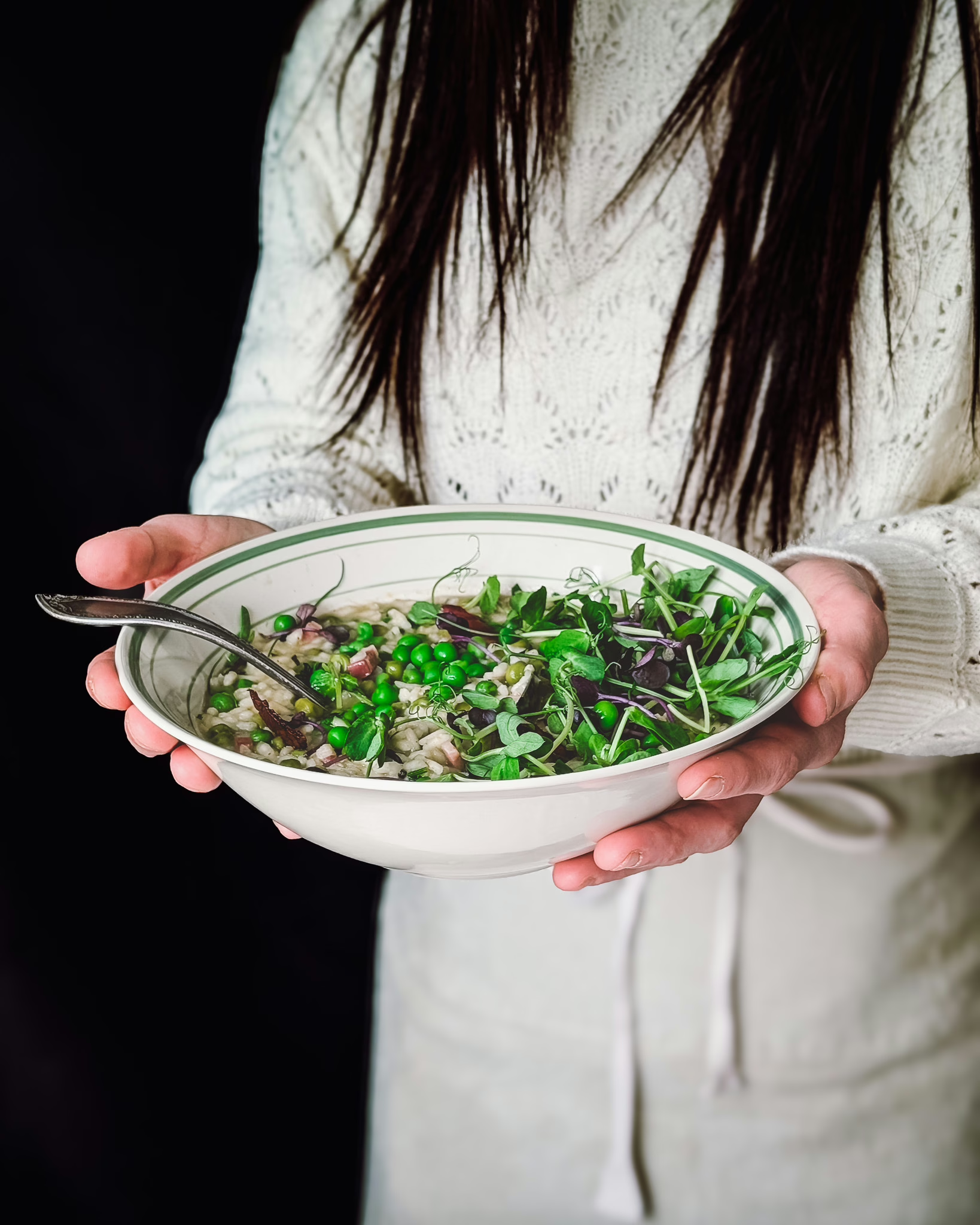
Venetian rice and peas
Serves 4
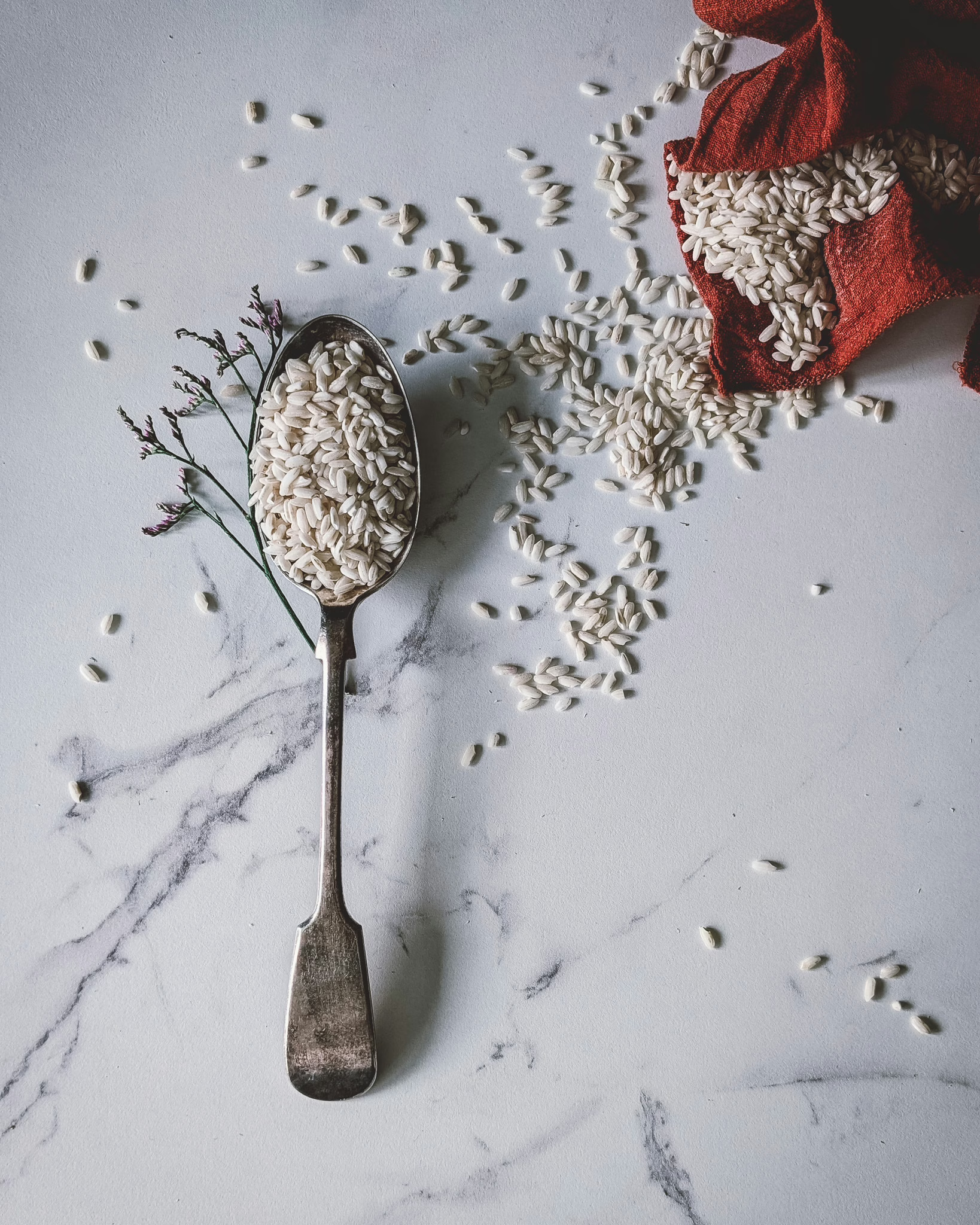
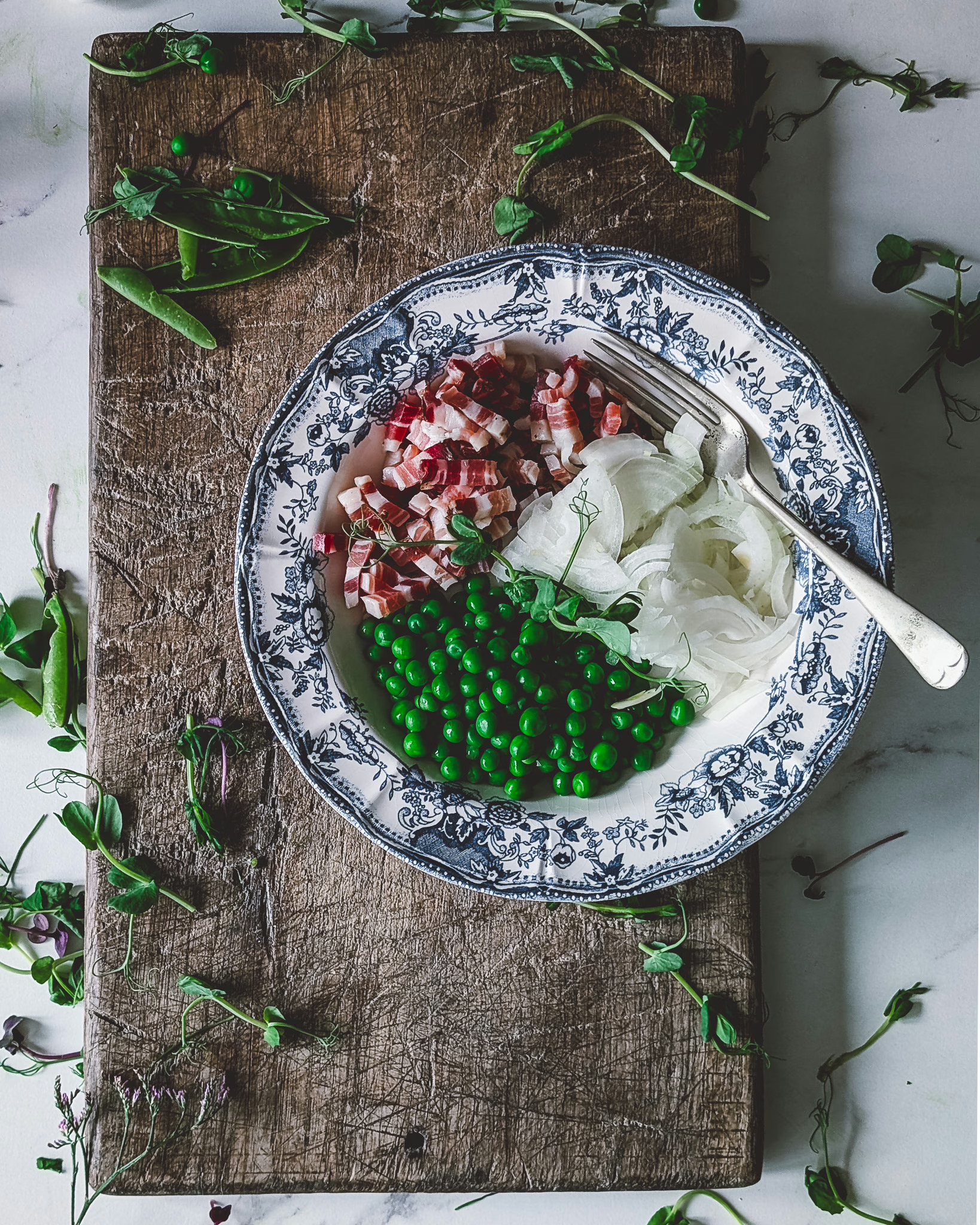
- 300g risotto rice (Arborio, Carnaroli, or Vialone Nano)
- 1kg fresh peas in their pods (to yield about 300g podded peas)
If fresh peas aren’t in season or you struggle to find them, you can use frozen peas, the dish will still be delicious. Simply skip the pod stock and use a good vegetable stock instead. - 300g of the reserved empty pods (discard the rest)
- 1.5L vegetable stock
If you’re not making the pod stock, a simple vegetable stock works equally well. - 100g smoked pancetta lardons
- 1 onion, finely sliced
- 1 tbsp extra virgin olive oil
- 50ml white wine or prosecco
- 30g cold unsalted butter, sliced
- Zest of 1 lemon
- A handful of mint leaves, finely chopped
- Parmesan, finely grated (optional)
- Salt and pepper
Directions
1. Make the stock
Bring the vegetable stock to a boil in a medium saucepan.
Add the reserved pea pods, cover, and simmer for 20 minutes.
Lift out the pods and blitz them with a ladle of the hot stock until smooth.
Pass the purée through a sieve to remove fibres, then return the green liquid to the pot.
Keep the stock just below a simmer, it should stay hot for the rice.
If using frozen peas: skip this step and warm your vegetable stock in a saucepan. Keep it just below a simmer.
2. Start the base
In another medium saucepan, warm the olive oil over medium–low heat.
Add the onion and pancetta, cover, and let them soften for about 5 minutes.
The onion should be tender but not coloured; the pancetta should gently render its fat.
3. Toast the rice
Add the rice to the pan and stir well so every grain is coated.
Toast until the grains look slightly translucent at the edges.
Pour in the wine (or prosecco) to deglaze and let the alcohol cook off for a minute.
4. Start cooking the rice
Add two‑thirds of the peas and two generous ladles of the hot stock.
Stir, lower the heat slightly, and let the rice begin to absorb the liquid.
Continue adding stock about 200ml at a time, stirring often to release the starch.
When the liquid is absorbed, add more.
After 8–10 minutes, taste a grain, it should still have a little bite.
5. Finish cooking
Add the remaining peas and continue cooking until the rice is tender but not mushy.
Risi e bisi should be looser than a risotto — halfway between a risotto and a stew — so finish with one last ladle of stock.
6. Mantecatura (the final, essential step)
Remove the pan from the heat.
Add the butter, lemon zest, parmesan (if using), and mint.
Stir gently until the butter melts and the dish becomes silky and cohesive.
Taste and adjust seasoning.
7. Serve the dish
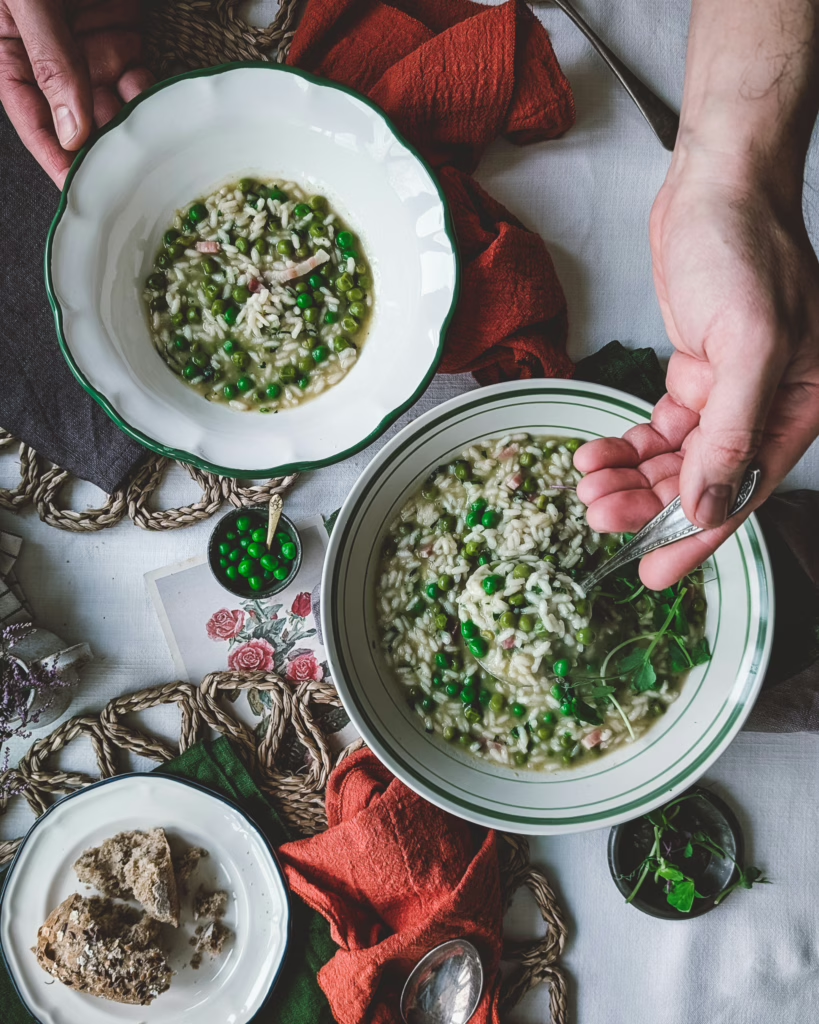
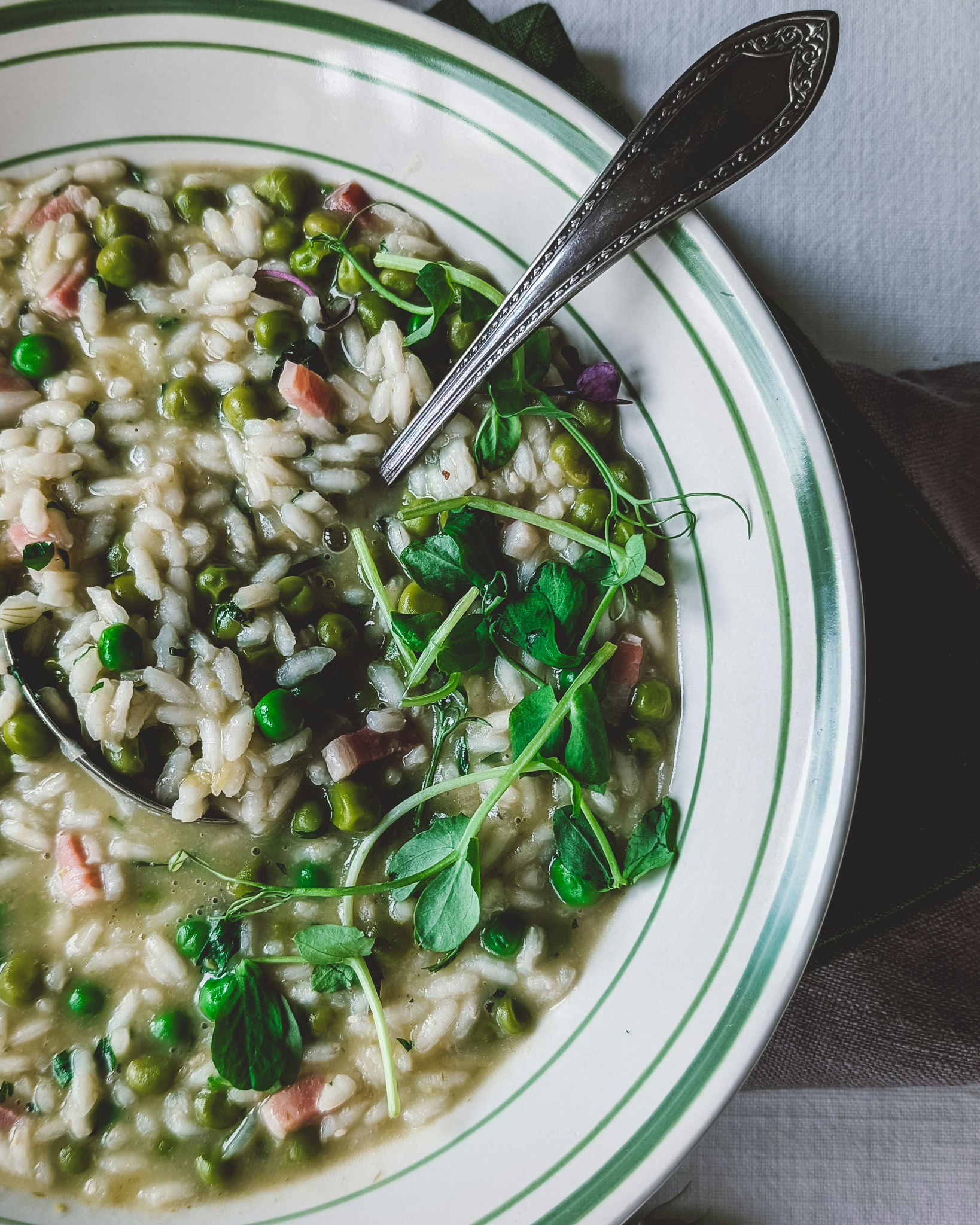
Ladle the risi e bisi into warm bowls while it still has its soft, spoonable onda.
If you can get hold of fresh pea shoots, we highly recommend adding a small handful on top, they bring freshness, height, and a nod to the whole plant. Finish with a swirl of good extra virgin olive oil and a little parmesan, if you like.
Simple touches, but they make the bowl feel alive. Enjoy.
Share this recipe:
Other recipes you may like