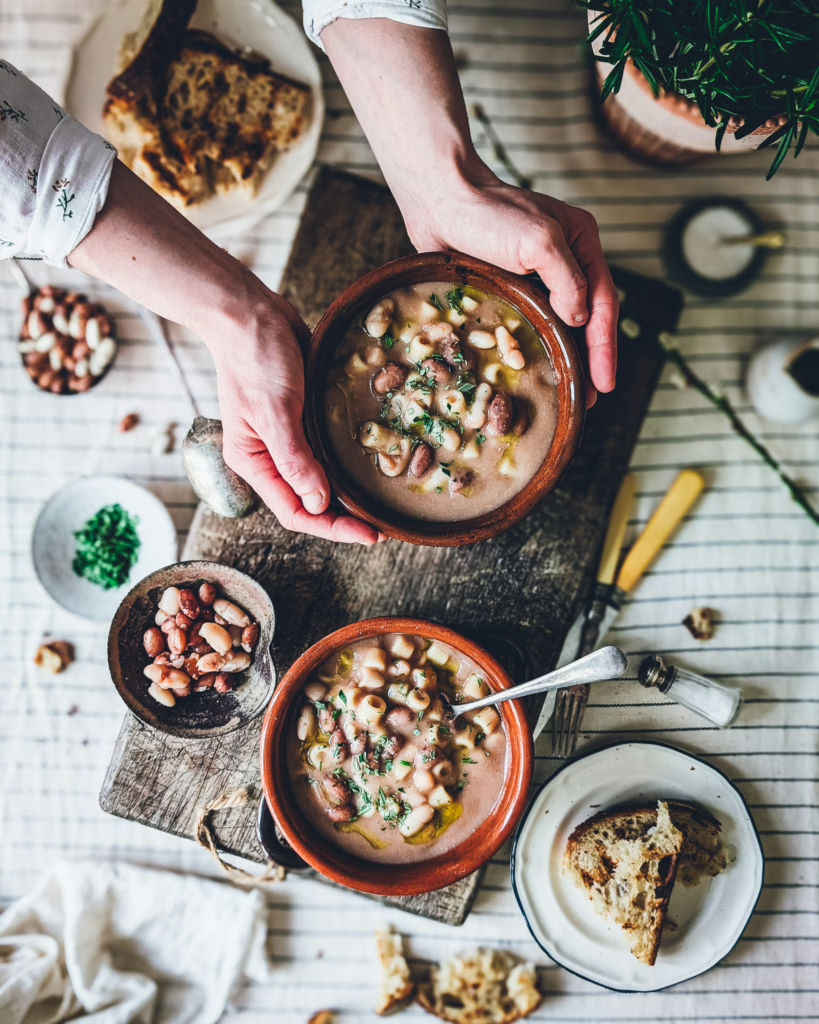
A bowl that proves humble beans can feel like a hug.
There are dishes that feel like home the moment we start cooking them, and pasta e fagioli is one of those. It’s simple, inexpensive, and endlessly comforting, the kind of recipe we return to all winter long because it asks for very little and gives back so much.
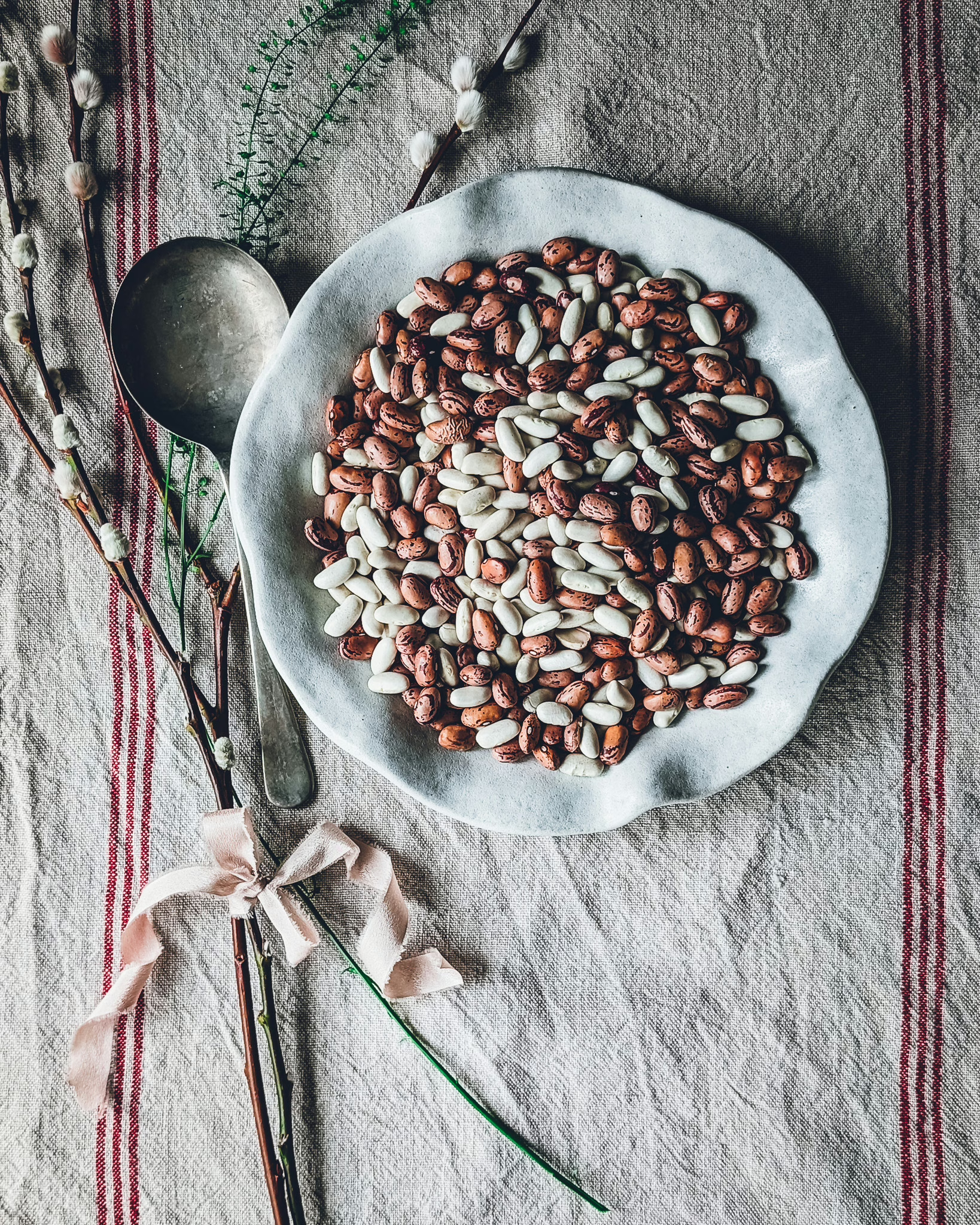
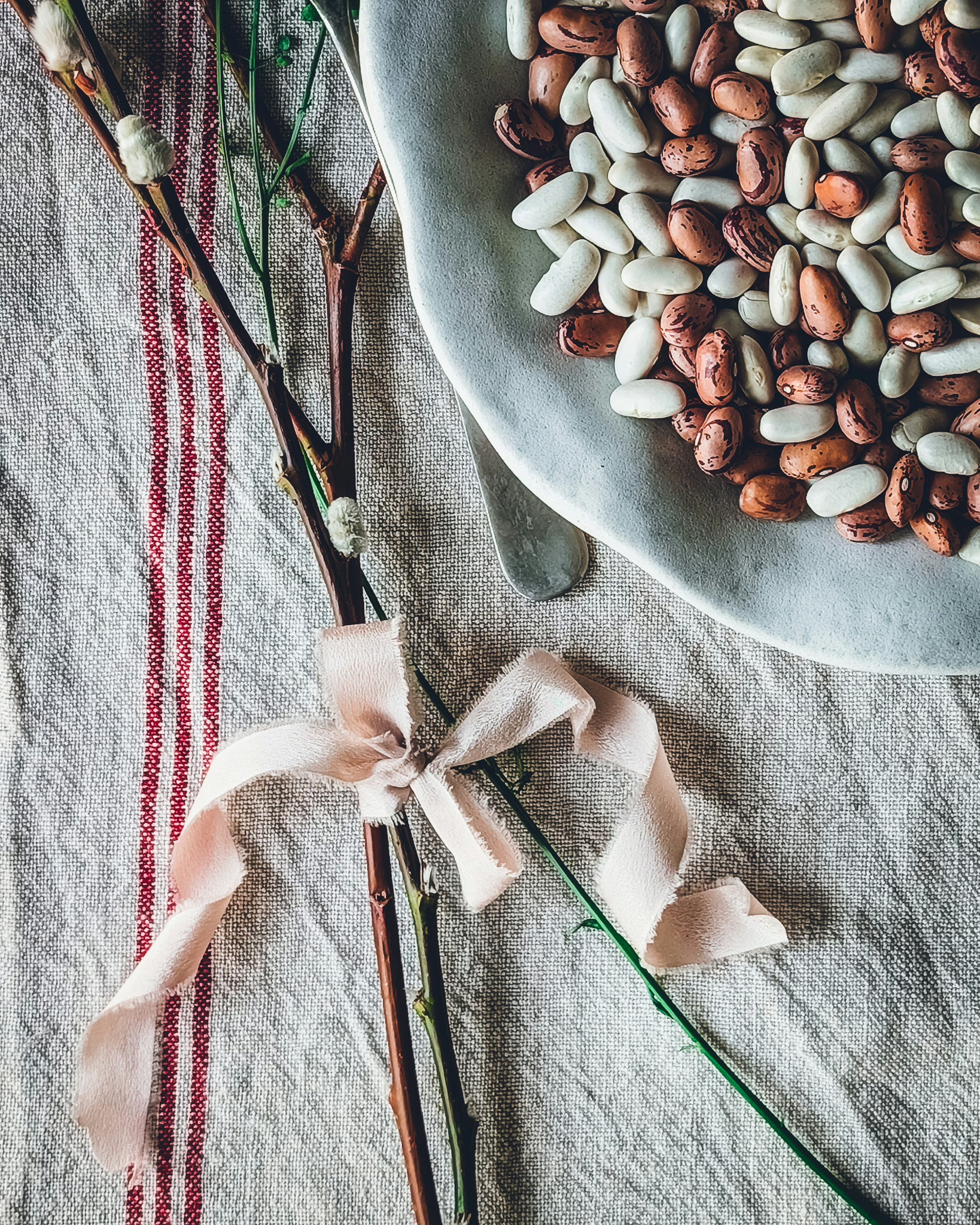
At the heart of it are the beans. In the Veneto, borlotti are the classic choice, especially the Lamòn variety grown near Belluno. They’re creamy, pinkish‑brown with deep red streaks, and they give the dish its unmistakable depth.
In our version, we mix borlotti with cannellini for a softer texture, inspired by a dinner in one of our favourite cosy Venetian restaurants years ago, Vini da Gigio. But if you want the most traditional, full‑flavoured Venetian result, go all‑in with borlotti, even better if from Lamòn. That’s the classic.
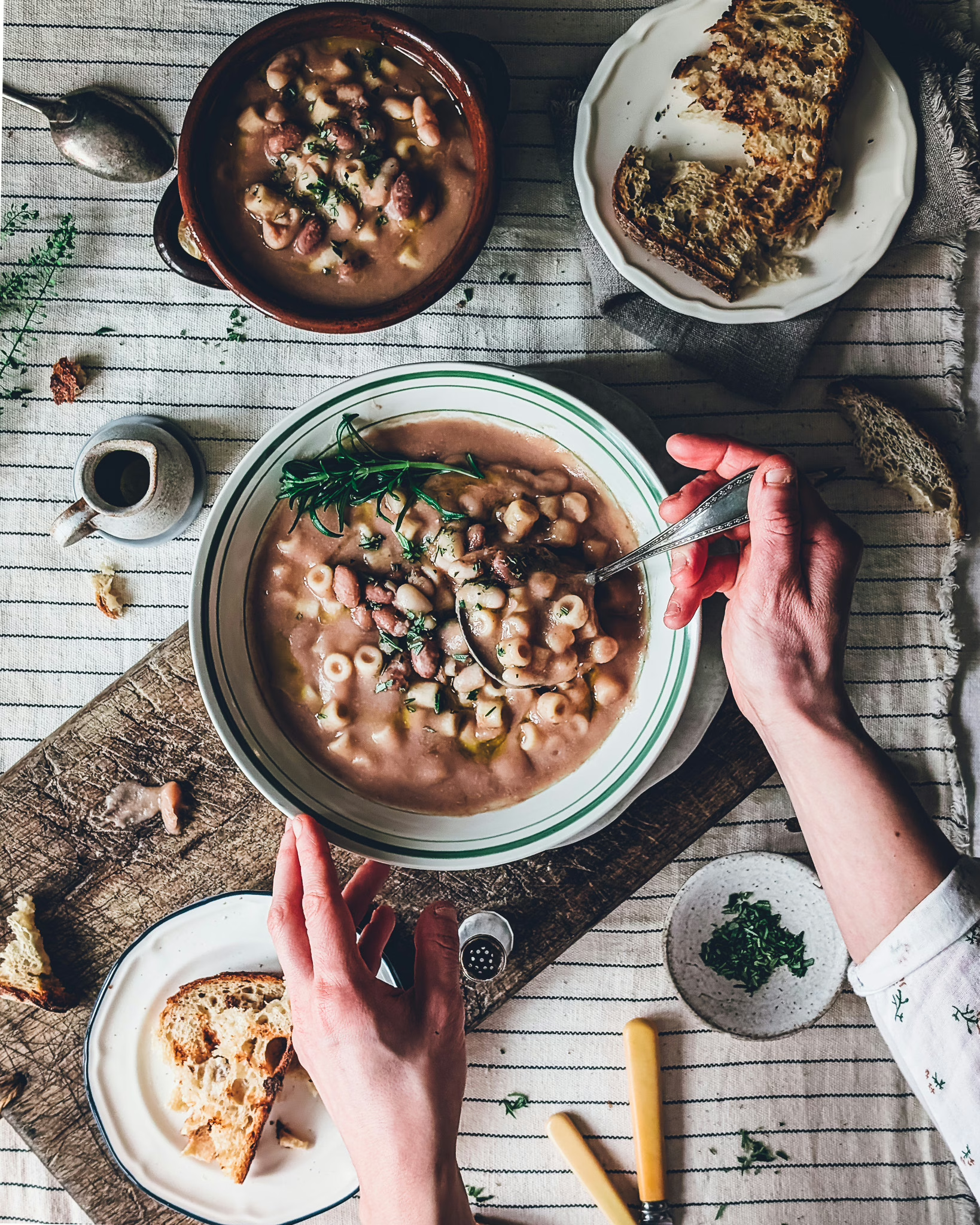
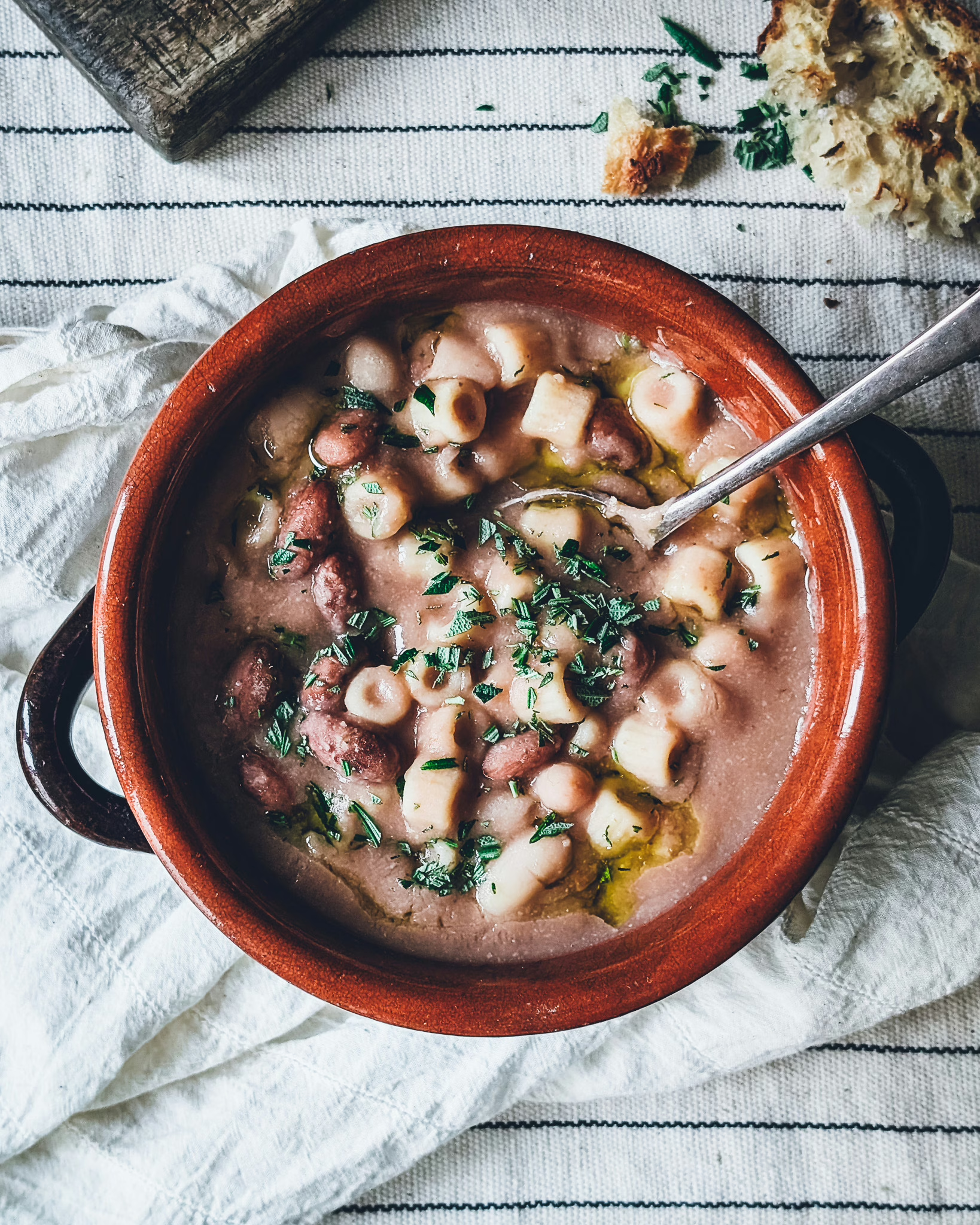
The rest of the ingredients are beautifully simple: onion, garlic, tomatoes, water, rosemary, salt, and pepper. Then a handful of small pasta, ditalini rigati or pipe rigate if you want to stay close to tradition, but any short shape you love will work. A swirl of extra virgin olive oil at the end, maybe some grated parmesan, and a piece of crusty bread to clean the bowl. That’s really all it takes.
We’ve been making this a lot recently, and we’ve been playing with the amount of water. Some days we want it thick and spoon‑standing; other days we let it stay looser and more brothy. We are going to share some suggested quantities, but then it’s up to your taste really. You can easily double the recipe too. Growing up, there was always a big pot on the stove, and we’d eat it for days. If it dried out in the fridge, a splash of water when reheating brought it straight back to life.
There’s also a little tradition from Agnes family that we love sharing. Her dad would finely shred some radicchio di Treviso and place it at the bottom of the bowl before ladling the hot pasta e fagioli on top. He’d let it sit for a couple of minutes so the radicchio softened just enough, turning slightly sweet but still keeping its gentle bitterness. Then he’d mix everything together and eat it. A small gesture, but one that adds a beautiful layer of flavour (and a lot of memory). If you’d like to try it and can’t find radicchio di Treviso – which is tricky outside Italy – red endive makes a lovely substitute.
No matter the thickness, radicchio or not, parmesan or not, one thing is for sure this is the kind of dish that suits a quiet evening, when you want something, unexpensive but warm and steady without fuss.
Super simple, deeply comforting, and very Venetian at heart.

Pasta e fagioli
Serves 4
- 200g dried borlotti beans, soaked for at least 12 hours – these can be combined with the cannellini beans
- 200g dried cannellini beans, soaked for at least 12 hours – these can be combined with the borlotti beans
- 1 large onion, peeled and quartered
- 1 garlic clove, crushed and peeled
- 4 large tomatoes, quartered
- 250g small shell pasta
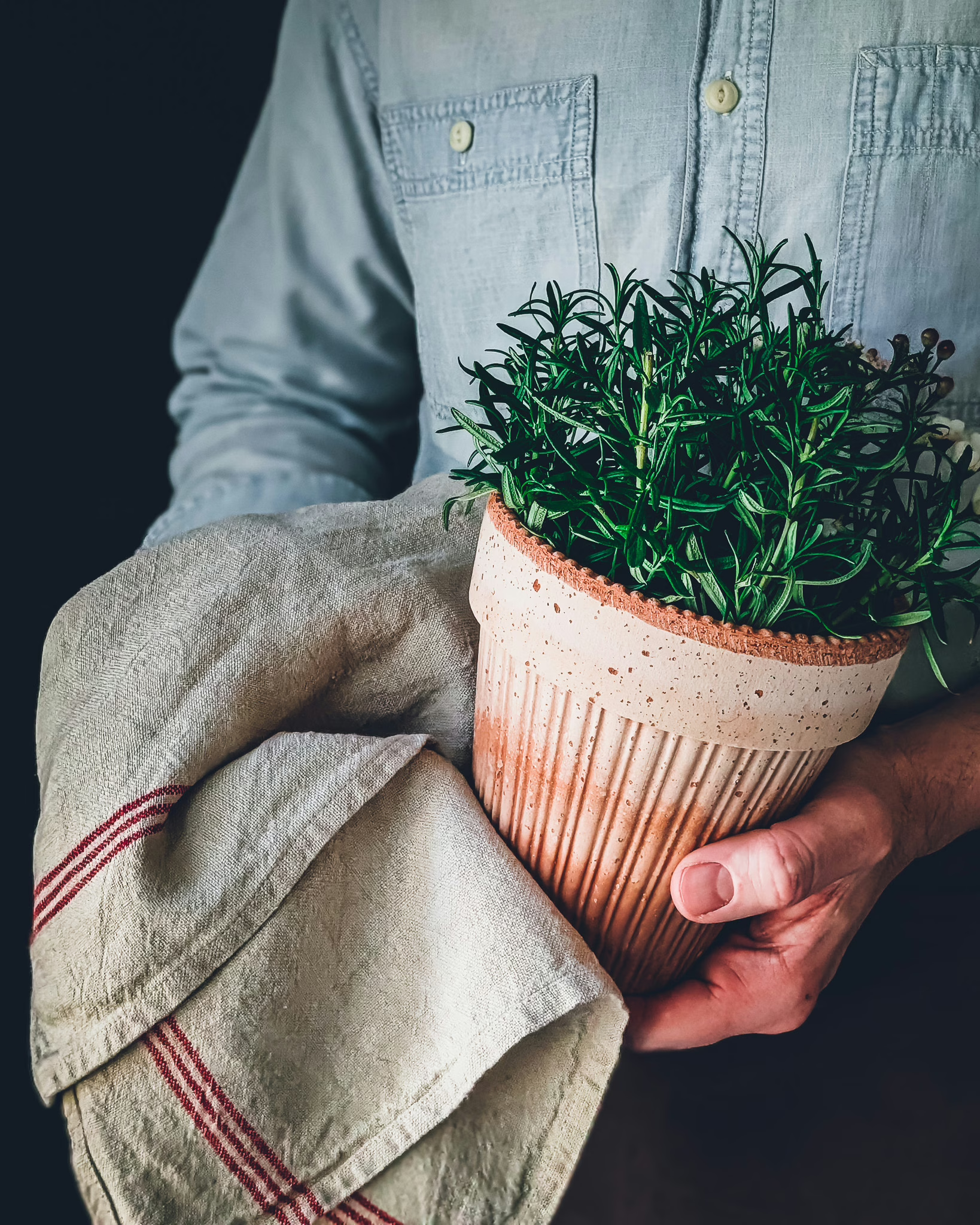
- 1 fresh rosemary sprig
- Salt
- Pepper
- A couple of tablespoons of extra virgin olive oil, for finishing
- Freshly grated parmesan (optional)
Directions
1. Soak the beans
Soak your mix of cannellini and borlotti beans overnight in plenty of cold water. In the morning, drain them and give them a good rinse.
2. Cook the beans
Place the beans in a large pot with 1 litre of fresh water. Add the peeled and quartered onion, the quartered tomatoes, and the crushed, peeled garlic clove. Bring everything to a boil, then lower the heat and let it simmer gently for 1 hour and 15 minutes, until the beans are tender but still holding their shape. Beans vary, but this timing works beautifully for most.
3. Separate and reserve
Drain the beans, making sure to keep all the cooking water.
Set aside 200g of the cooked beans for later – these will give the soup its texture. Put the remaining beans back in the pot for blending.
4. Blend the base
Add about 750ml of the reserved cooking water to the beans in the pot and blend until smooth.
This is your starting point: use less water if you prefer a thicker, creamier soup, or add a little more if you like it looser and more minestra‑style. If you want extra silkiness, pass the soup through a fine sieve.
5. Season and finish the soup base
Stir in the 200g whole beans you saved to the puréed soup. Season with salt and just a touch of black pepper. Set the pot aside while you cook the pasta.
6. Cook the pasta
Bring a separate pot of salted water to the boil and cook the pasta shells until al dente. Drain them well.
If you prefer, you can cook the pasta directly in the reheated soup (see step 7) – it works, and it will release its starch into the pot, making the soup noticeably thicker and more rustic. We tend to cook the pasta separately so the texture stays lighter and the soup keeps its balance, but both methods are perfectly fine.
7. Bring it all together
Reheat the soup gently, add the cooked pasta shells, and stir to combine. Divide the soup between bowls.
8. The final touch
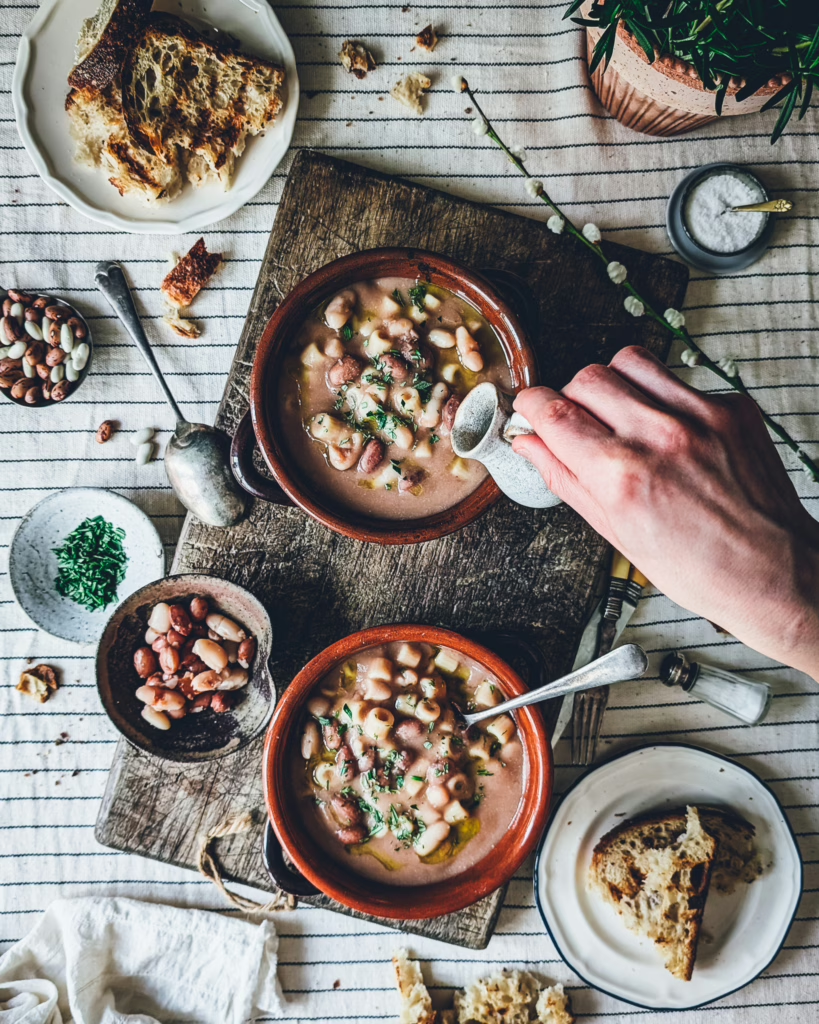
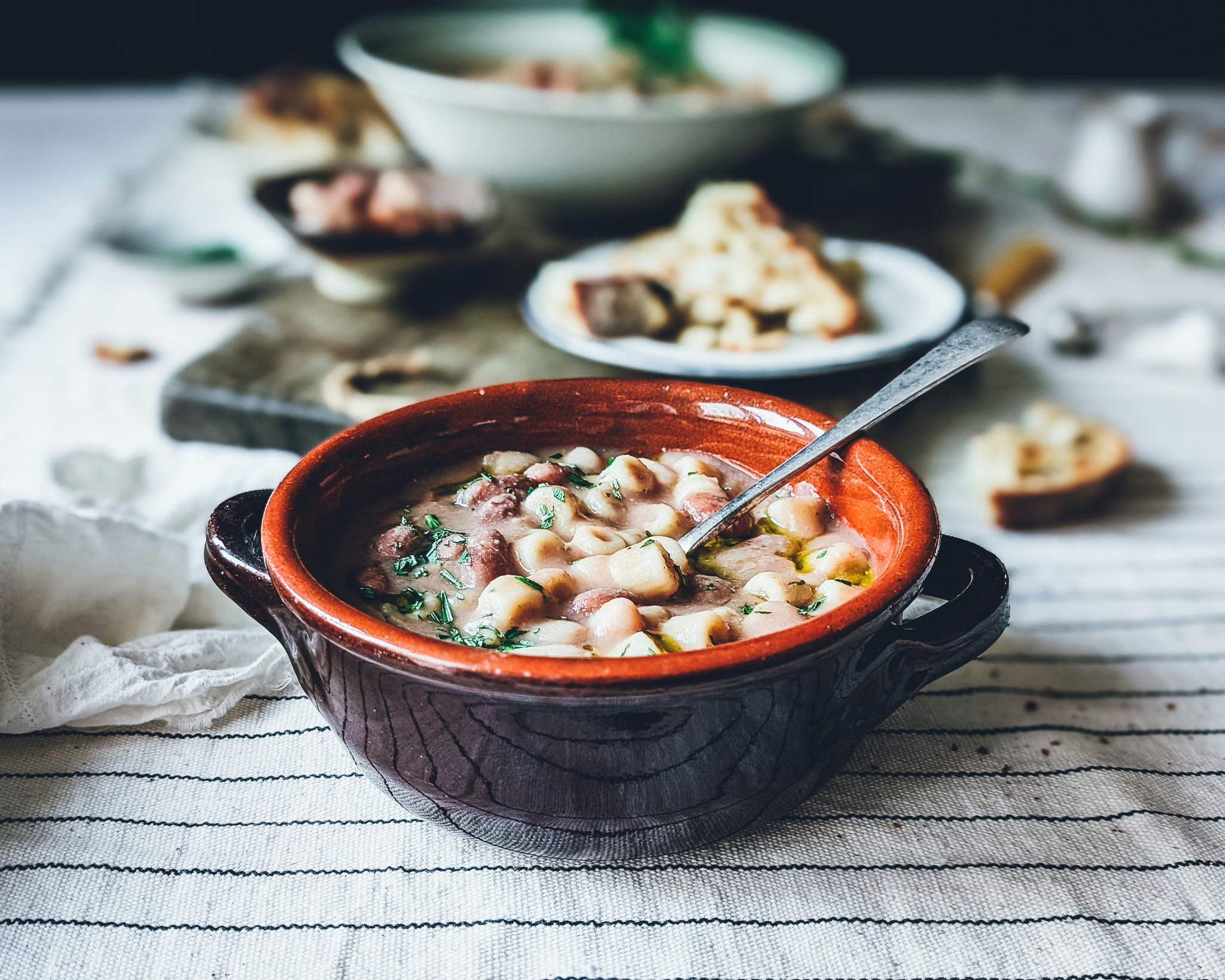
Finish each bowl with a swirl of extra‑virgin olive oil, a scattering of freshly chopped rosemary, and parmesan if you like. Serve with crusty bread and enjoy slowly.
Share this recipe:
Other recipes you may like