There are dishes that carry the weight of tradition, and dishes that carry the weight of memory. Onion and anchovy spaghetti – or ‘bigoli in salsa’ in Venetian dialect – sits somewhere in between for us. It’s a classic of Venice and the Veneto, tied to the giorni di magro – the “lean days” in the Catholic calendar when meat is forbidden, especially on Good Friday and Christmas Eve. But for many Venetians, it’s also the dish that signals the start of a holiday long before anything appears on the table.
In both our homes, that moment was unmistakable. The onions would hit the pan and begin their slow transformation, softening gently in oil until they turned translucent and sweet. The anchovies would melt into them, disappearing completely but leaving behind a deep, savoury warmth. The smell would drift through the kitchen and stay with us for the rest of the day, announcing that Easter or Christmas was approaching.
Agnes’ dad still follows this ritual faithfully. Every Easter, on Good Friday, and every Christmas Eve, bigoli in salsa appears without question. Her mum slices the onions so thin they’re almost transparent, counts out the anchovies – a small sign of celebration – and lets everything cook slowly until the onions surrender and the anchovies dissolve. Fabio’s mum does the same. And yet, when we asked either of them for a recipe, they both laughed.
A recipe? Ma no. “You go by the eye,” they said. Ad occhio. “Perhaps half an onion. A white one, of course. And three, four, maybe five anchovies for two people… it depends how much you like them, and it depends on the quality. Make sure you always buy good ones though.”
That’s the nature of this dish: simple, but not simplistic. Humble, but never plain. It’s a recipe shaped more by instinct than precision, and so we can say this version is ours, or rather, Fabio’s, as the true anchovy lover in the house.
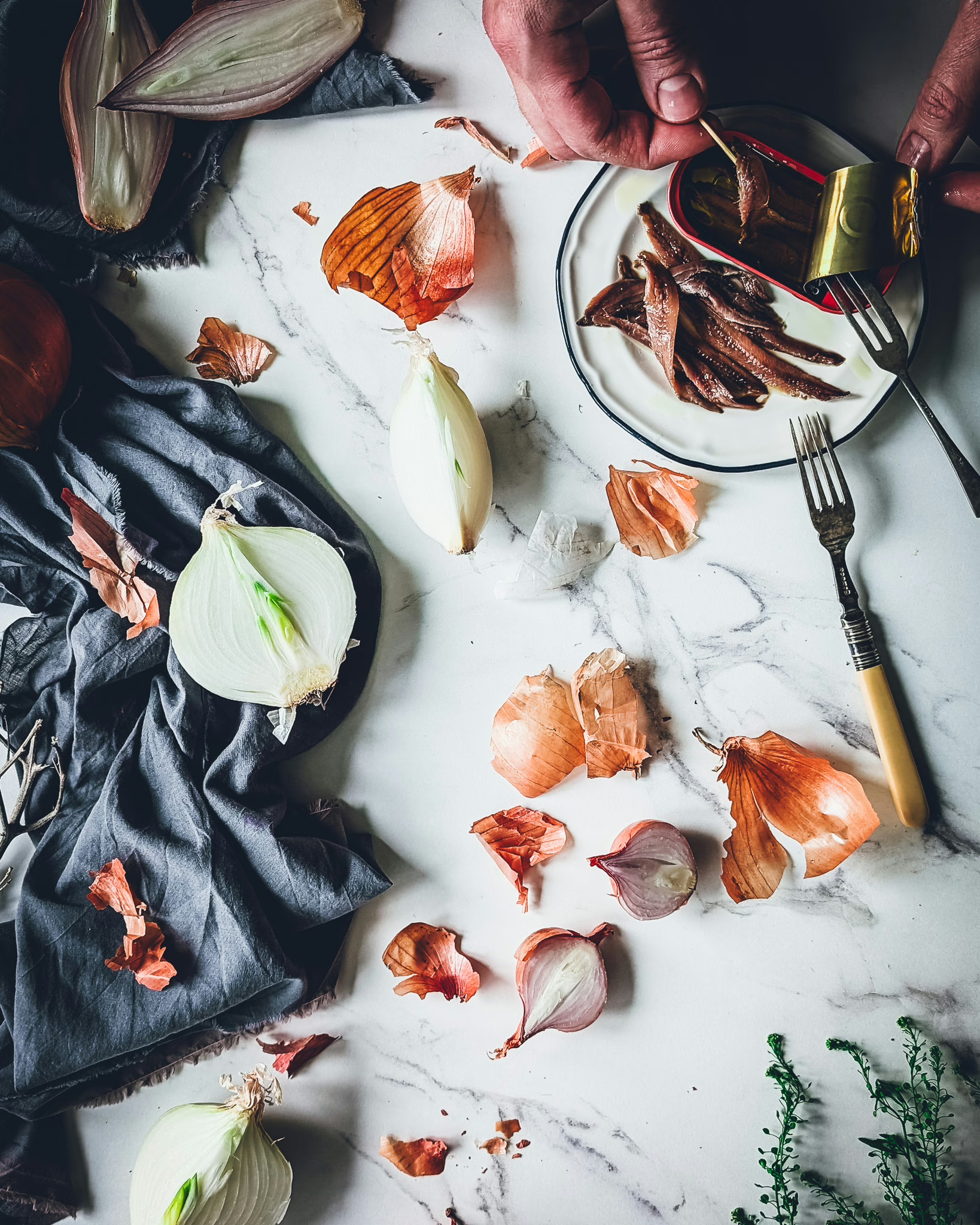
A little about bigoli (just enough)
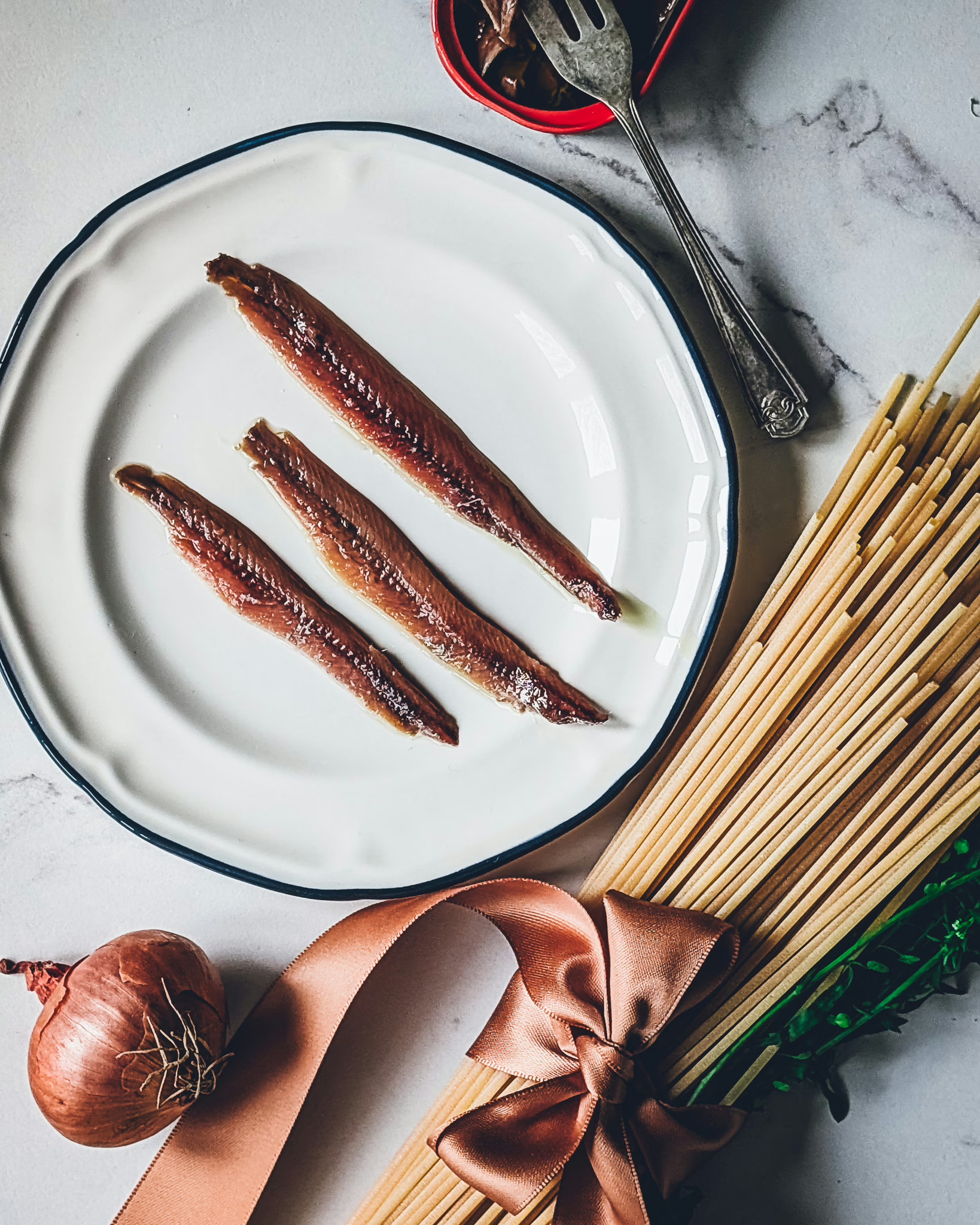
Traditionally, this dish is made with bigoli: a thick, rustic Venetian pasta extruded through a bronze press. Bigoli have a beautiful chew and a slightly rough surface that holds the sauce perfectly. Outside Italy, though, they can be surprisingly hard to find. Every now and then we spot them in specialist delis, but most of the time we bring them back from Venice in our suitcase, tucked between coffee and baicoli like a small treasure.
So, for this recipe, we use thick spaghetti instead, which works wonderfully and keeps the spirit of the dish intact. The heart of bigoli in salsa has always been the sauce, not the shape.
Anchovies, sardines, and the soul of the sauce
The most traditional Venetian version uses sardines preserved in salt. They’re intense, deeply savoury, and full of character – perfect for those who love strong flavours. But in both our families, the version that made it to the table was always made with anchovies.
Anchovies bring a gentler depth, a quiet savouriness that melts into the onions without taking over. They’re humbler, more accessible, and somehow more forgiving. There’s something grounding about them: a small, everyday ingredient capable of giving a dish its entire backbone with nothing more than time and heat.
Perhaps that’s why our parents chose them. They were easier to love – especially for us as children – and they turned a “lean day” meal into something comforting and familiar. So, while salted sardines may be the historical version, anchovies are the version that feels like home to us.
Our version: faithful, with a small serving touch
We stay close to the way our parents made it: onions, anchovies, time, and instinct. But we add one small touch of our own, fried breadcrumbs. Nothing fancy, nothing that pulls the dish away from its roots. Just a warm, crunchy nod to the ever-present bread on an Italian table, and a way to give the dish a little texture and lift.
We finish with parsley because Fabio’s mum insists – “I mean, you need parsley, of course” – and Venetians do have a long love story with it.
You can leave the breadcrumbs out if you want to stay closer to tradition. Some families don’t use parsley either. But then again, tradition in Venice has never been one fixed thing. There are countless versions of this dish, each shaped by the hands that make it. This is ours, and we hope it becomes one you’ll enjoy making too.
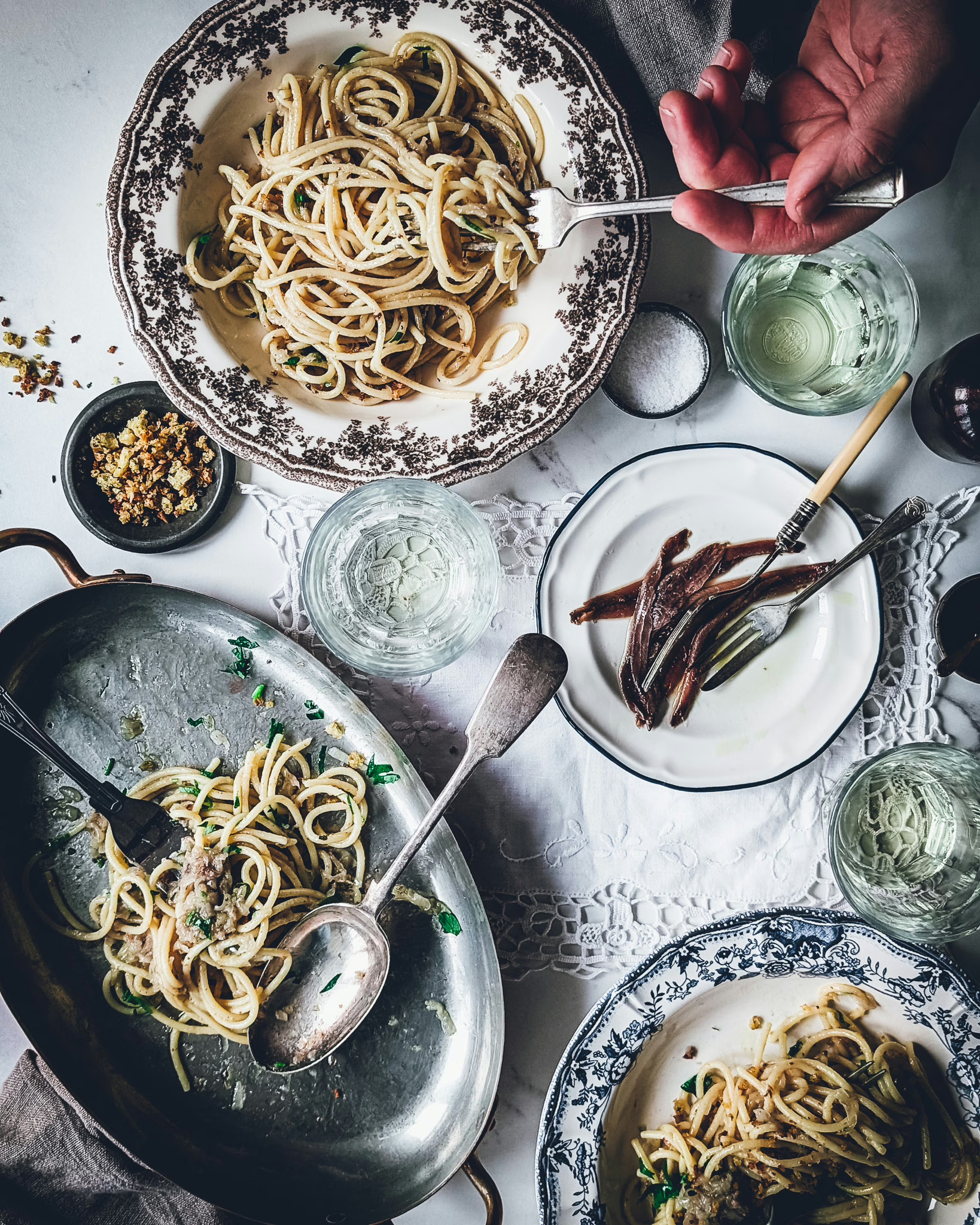
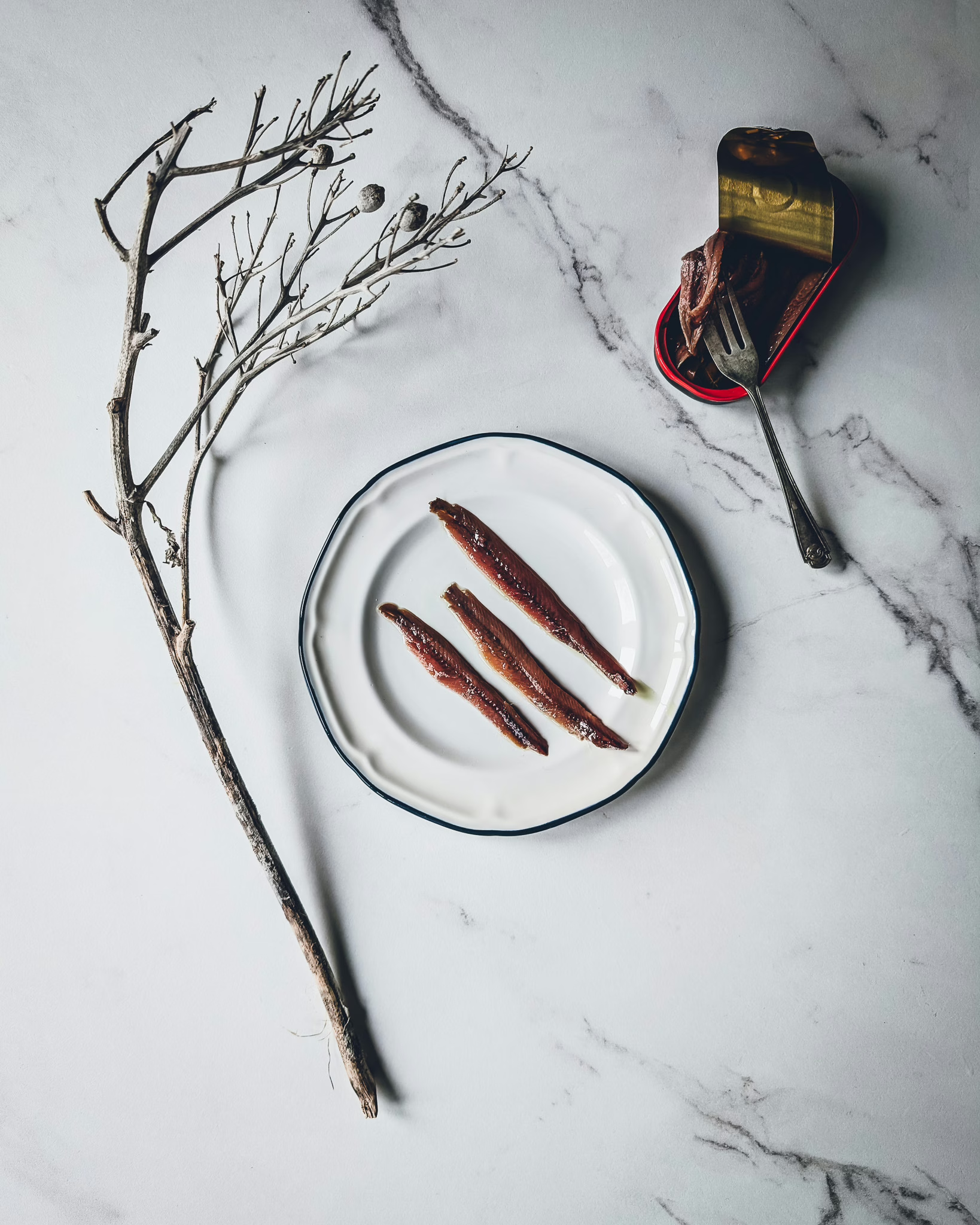
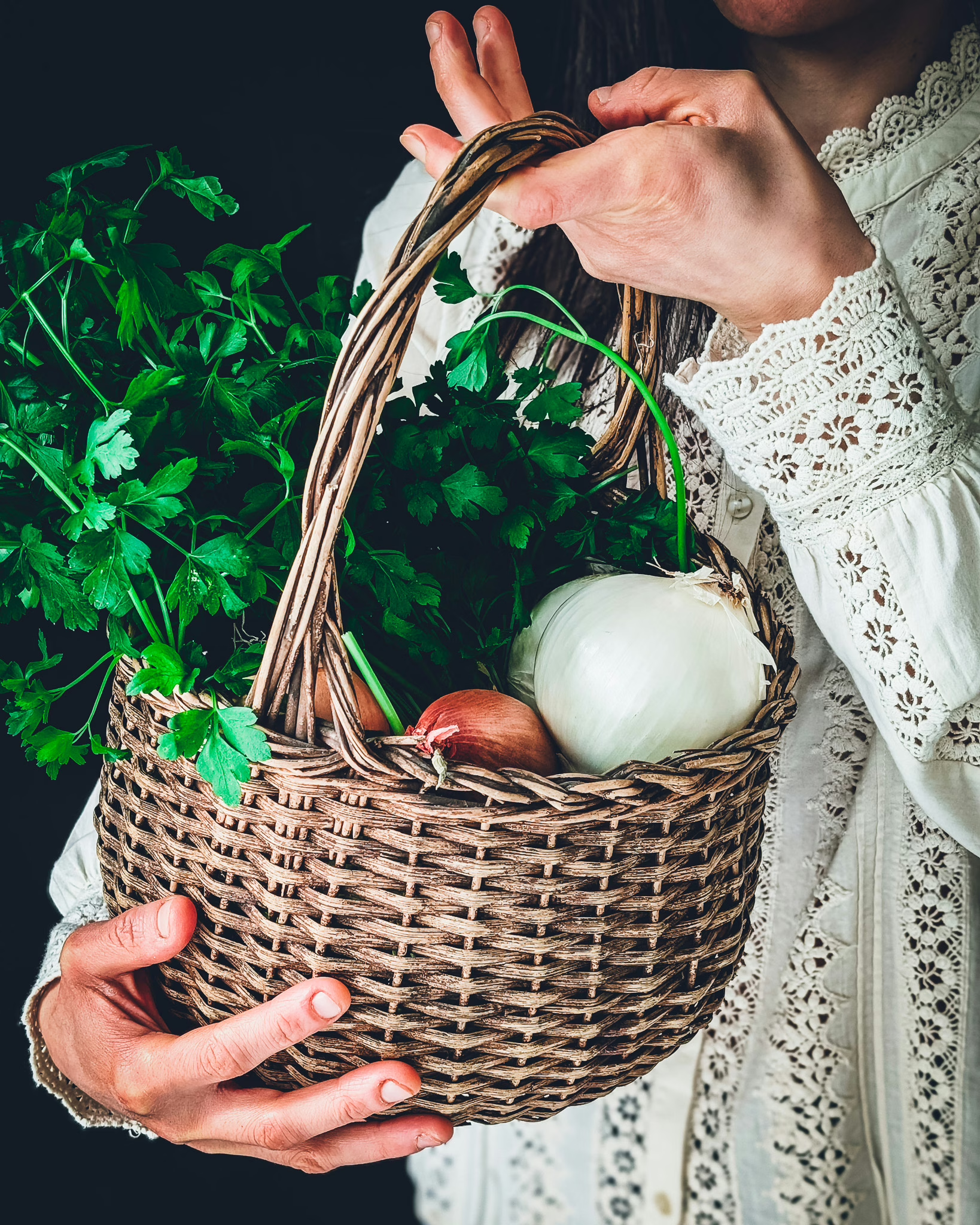
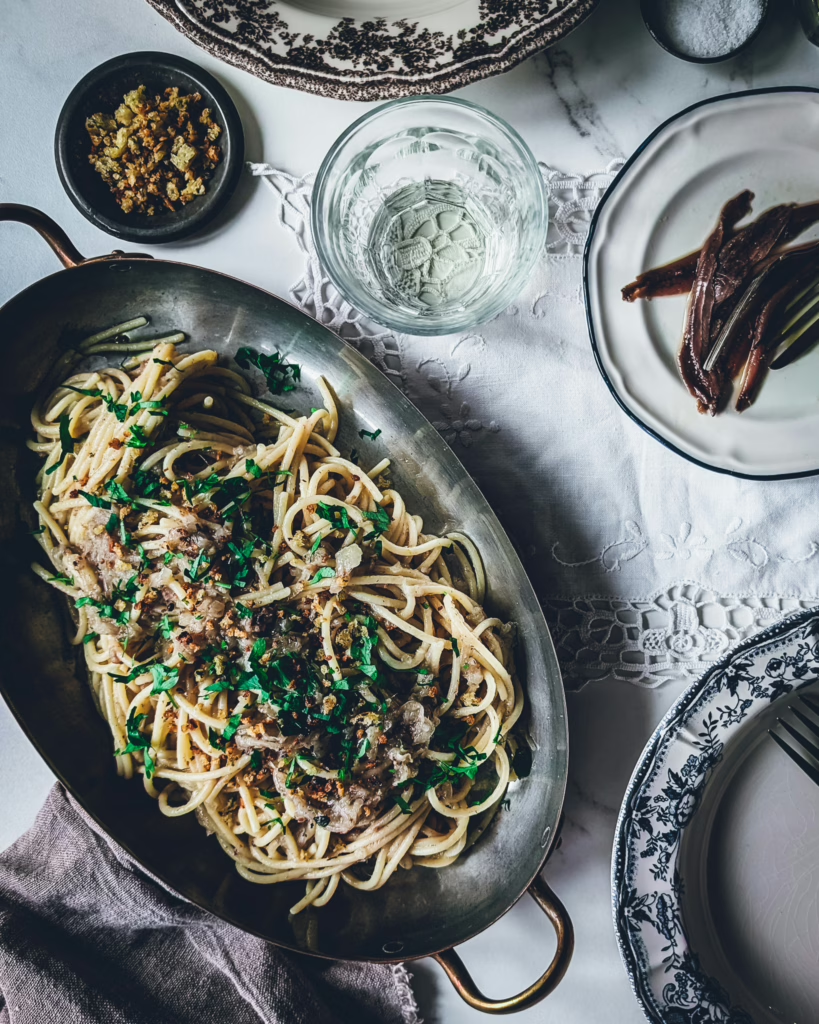
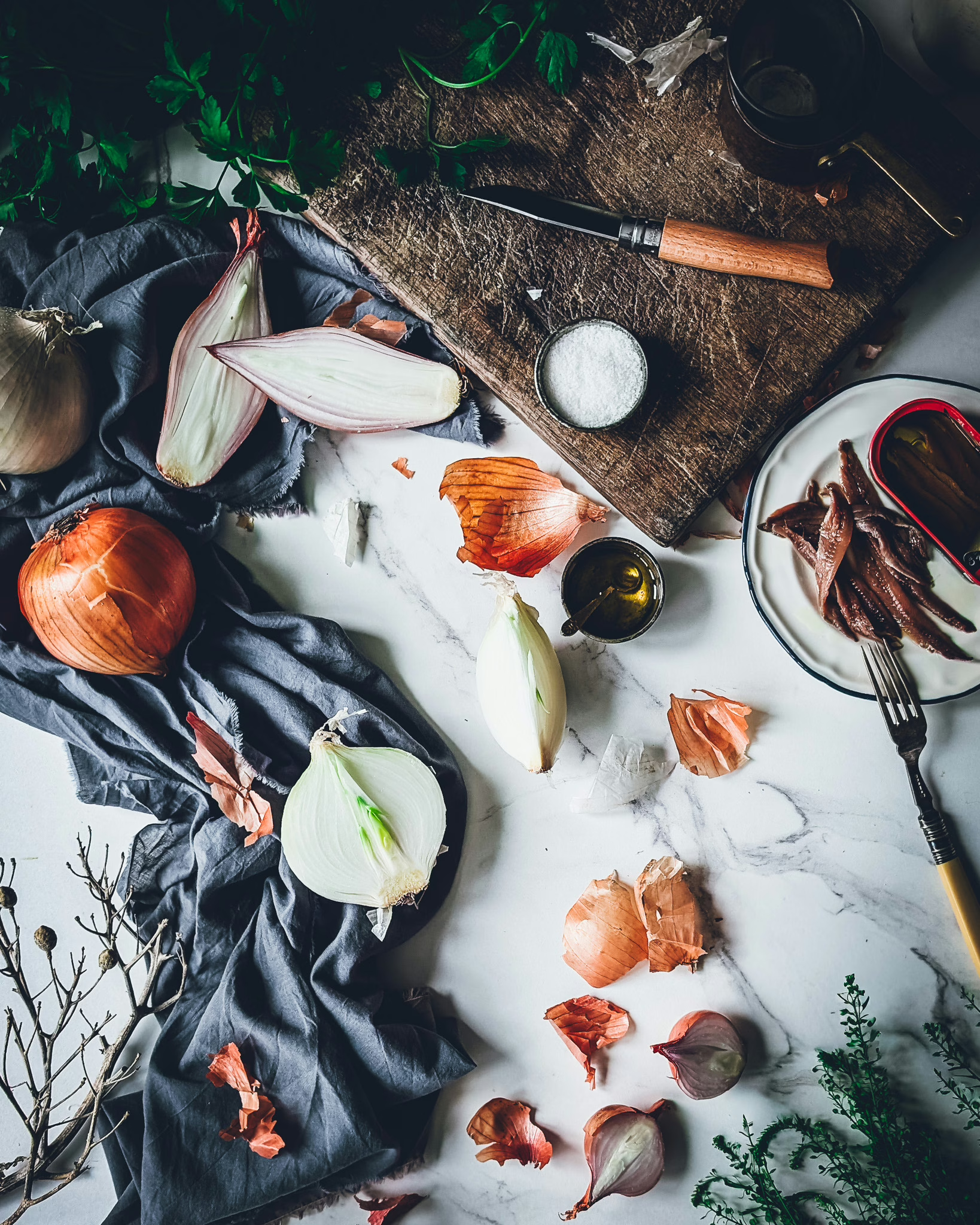
Onion and anchovy spaghetti
Serves 4
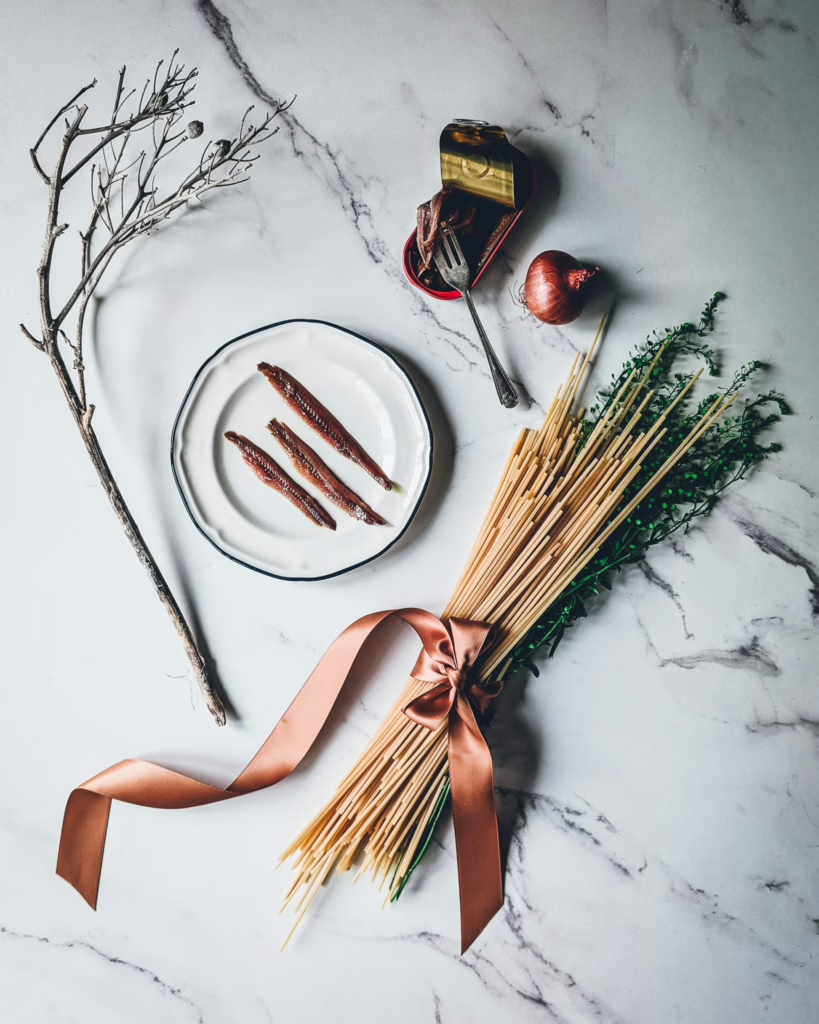
- 400 g thick spaghetti
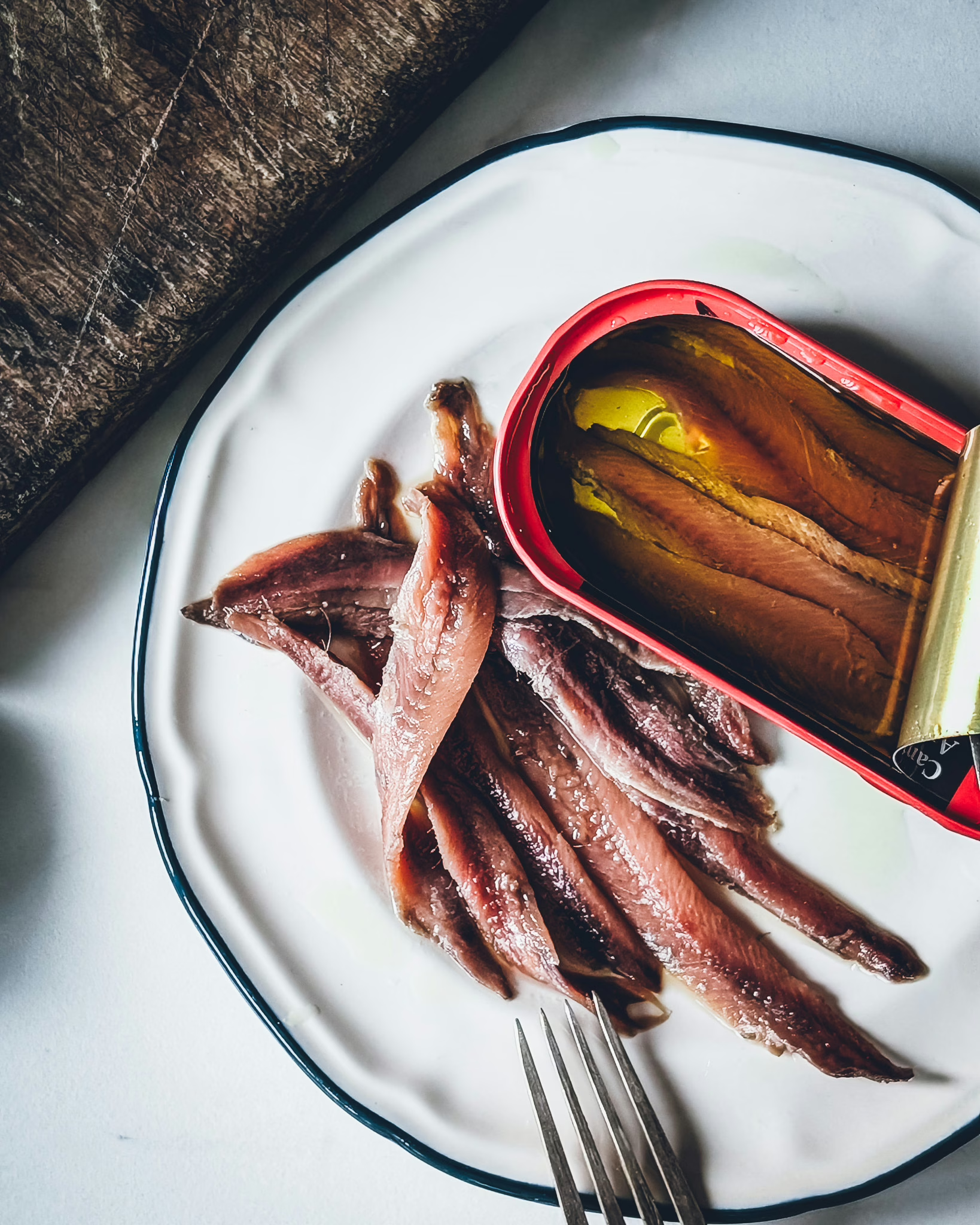
- 60 g anchovies in oil, drained
- 2 medium white or brown onions
- 3 tbsp extra virgin olive oil, plus extra for drizzling
- 200 ml boiling water
- 1 handful coarse sea salt
- fine sea salt and black pepper, to taste
To garnish
- 1 handful fresh parsley, chopped
- 1 slice sourdough or rustic bread
- 1 Tbsp extra virgin olive oil
Directions
1. Make the breadcrumbs
Cut the slice of sourdough into small pieces and pulse in a food processor until you have fine crumbs. Discard any large, stubborn bits of crust.
2. Toast the crumbs
Warm a small frying pan over medium–high heat. Add 1 Tbsp olive oil, the breadcrumbs, and 1 Tbsp chopped parsley. Season lightly and toss until golden and crisp. Transfer to a bowl and set aside.
3. Prepare the onion
Peel and slice the onions very thinly, almost translucent. While you slice, place a large frying pan over medium heat and get your boiling water ready.
4. Start the sauce
Add 3 Tbsp olive oil to the pan, swirl to coat, and add all the onions. When they begin to sizzle, pour in 100 ml hot water. Bring back to a simmer, then cover with a piece of baking parchment and a lid. Reduce the heat to low and let the onions sweat for 15 minutes, checking every 5 minutes to ensure they don’t colour.
In the meantime, finely chop the anchovies and set aside.
5. Finish the sauce
After 15 minutes, uncover the onions, stir well, and add the chopped anchovies. Pour in another 100 ml hot water, return to a gentle simmer, and cover again with parchment and lid. Cook on low for a further 10 minutes, until the anchovies have almost melted and the onions are soft and silky.
Once the sauce has finished its 10 minutes, turn off the heat and leave it covered until you cook the pasta.
6. Cook the pasta
Fill a large saucepan with cold water and bring to a boil over high heat.
When the pasta water is boiling, salt it with a handful of coarse sea salt. Bring back to the boil, add the pasta, and cook according to the time suggested on the packaging, stirring occasionally.
7. Drain and dress the pasta
Drain the pasta, reserving half a cup of cooking water. Return the pasta to its pan over low heat.
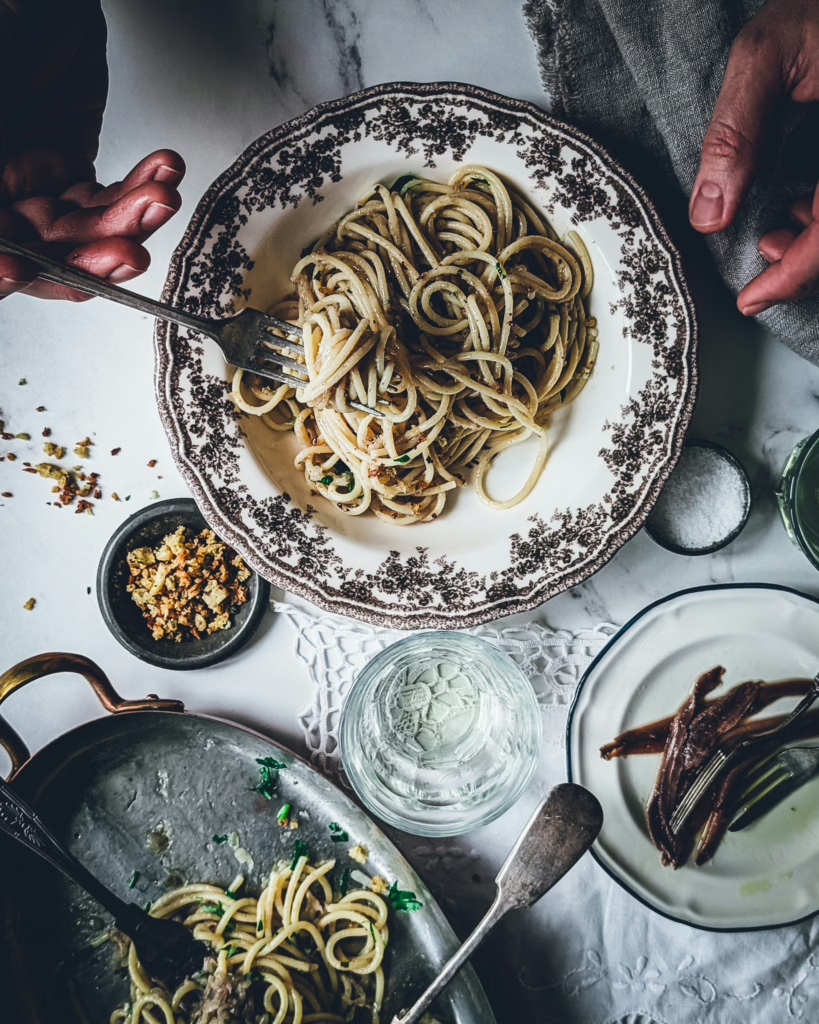
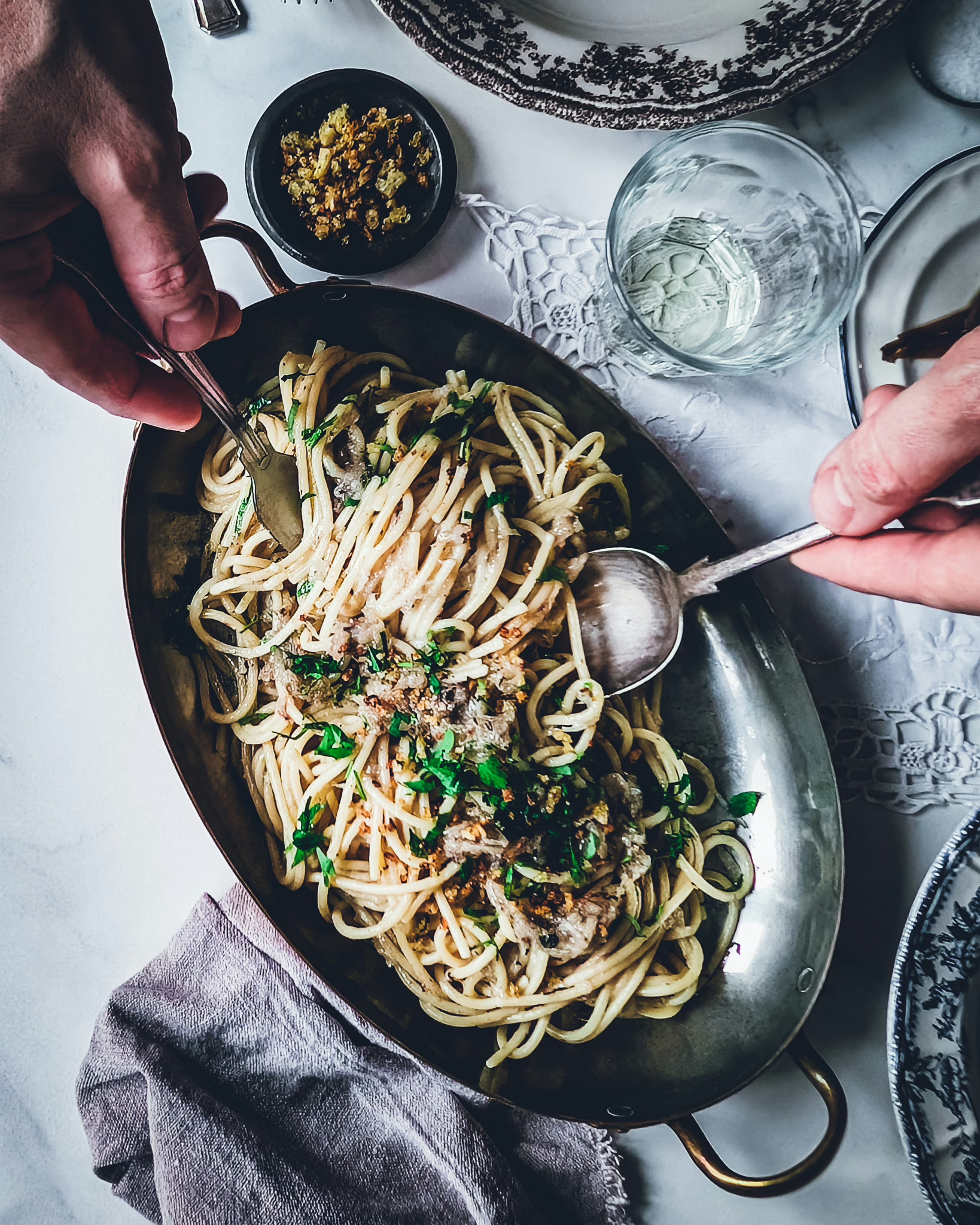
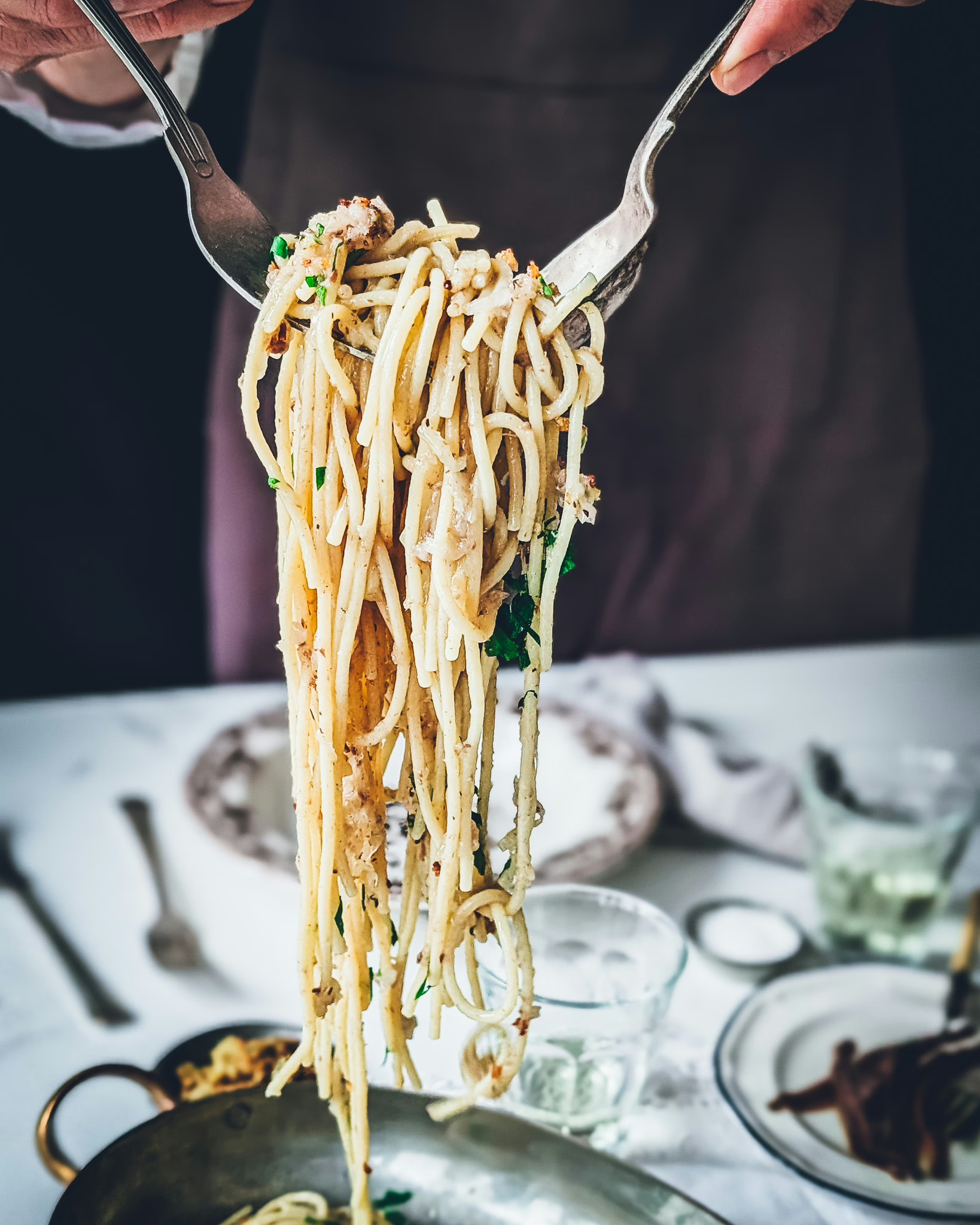
Add all the onion–anchovy sauce and a drizzle of olive oil. Toss with two forks until the pasta is well coated. Add a splash of the reserved cooking water for extra creaminess. Stir through a handful of chopped parsley and adjust the seasoning – anchovies are naturally salty, so you may not need more.
8. Serve
Divide into warm bowls and finish with the crunchy parsley breadcrumbs, a twist of black pepper and some additional parsley, leaves or chopped, if you like it. Serve immediately.
Share this recipe:
Other recipes you may like