
For almost twenty years now, Fabio has been making his annual batch of limoncello using the same recipe, and every summer a large glass jar filled with fragrant lemon peels appears in our kitchen.
This year, one small ingredient changed the recipe in the best possible way.
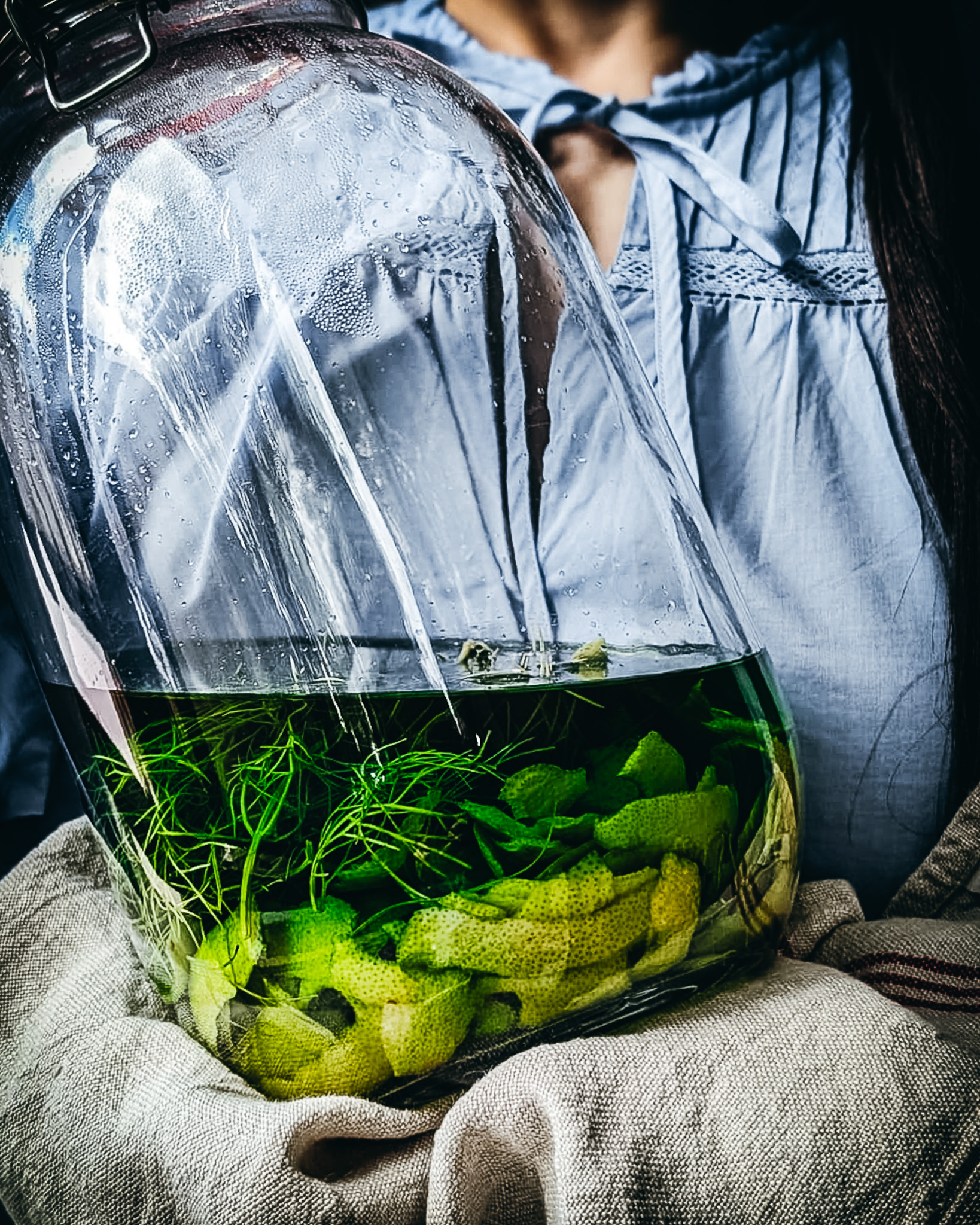
A few weeks ago, Fabio tucked a handful of fennel fronds into a jar of lemon peels and alcohol, out of curiosity.
The fronds were the last fragrant reminder of a beautiful organic fennel that had already found their way into our homemade giardiniera, salsa verde and herbal tisanes. They were simply too beautiful to throw away, and Fabio couldn’t resist adding them to this year’s batch.
The waiting is over, and the bottles are finally ready.
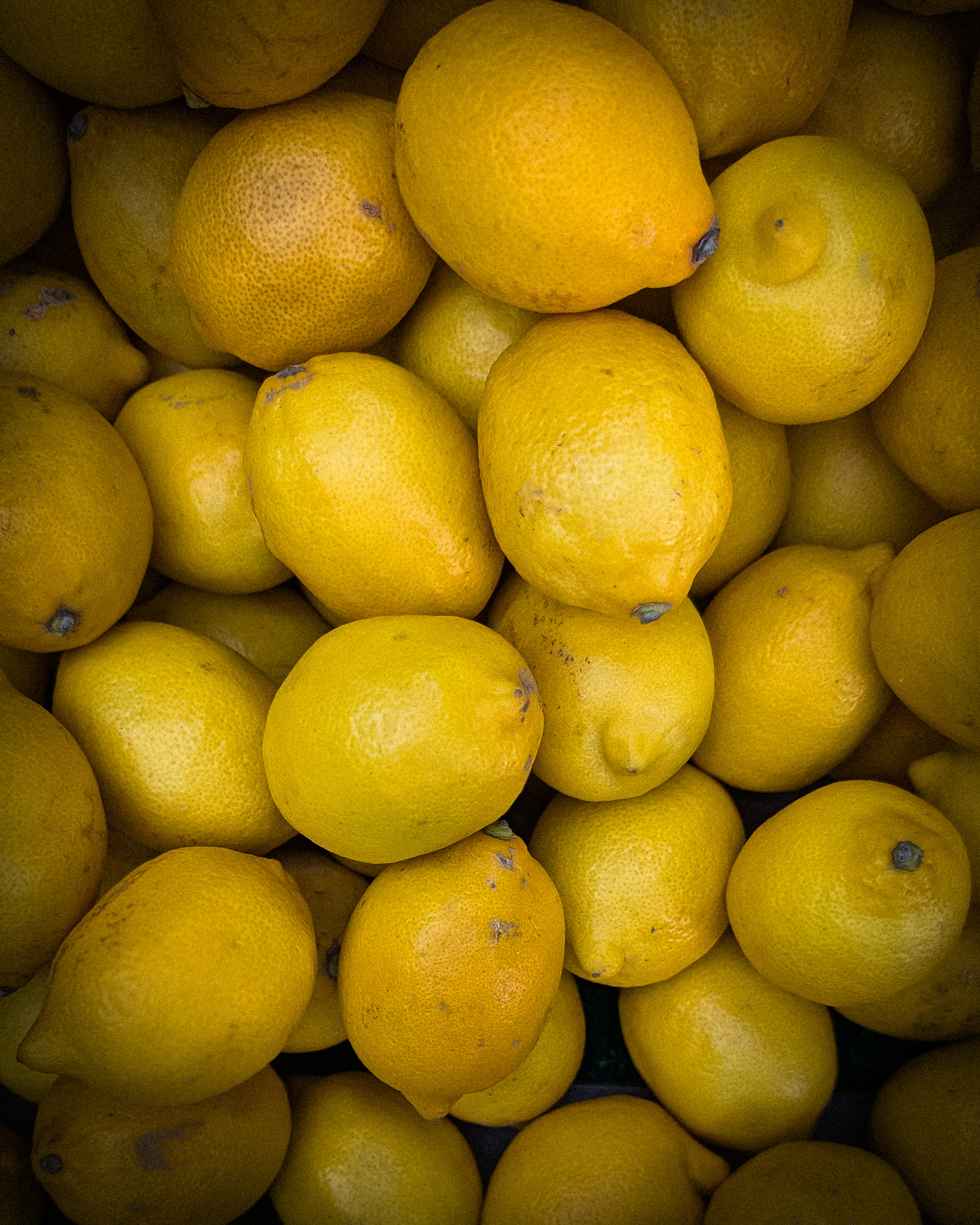
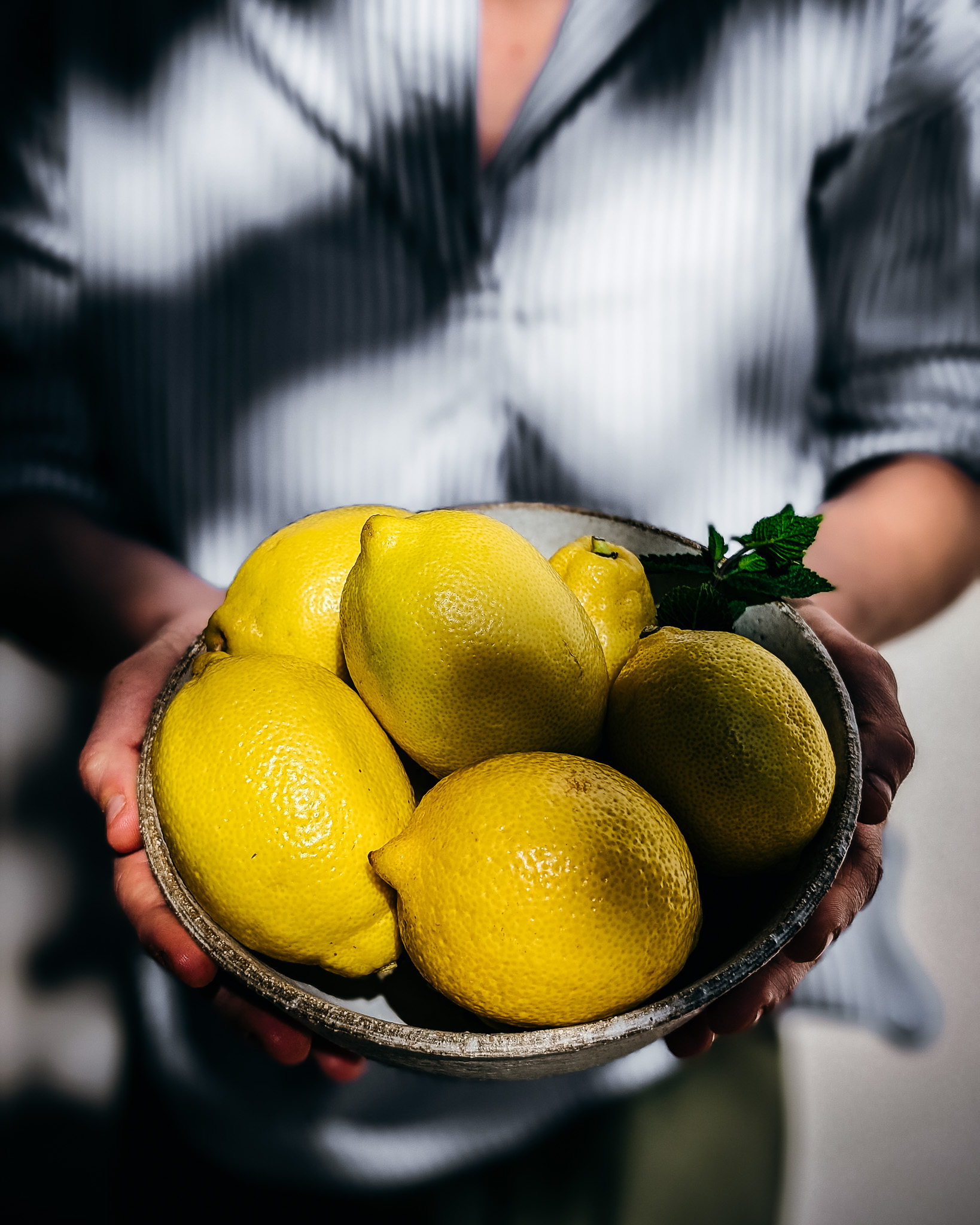
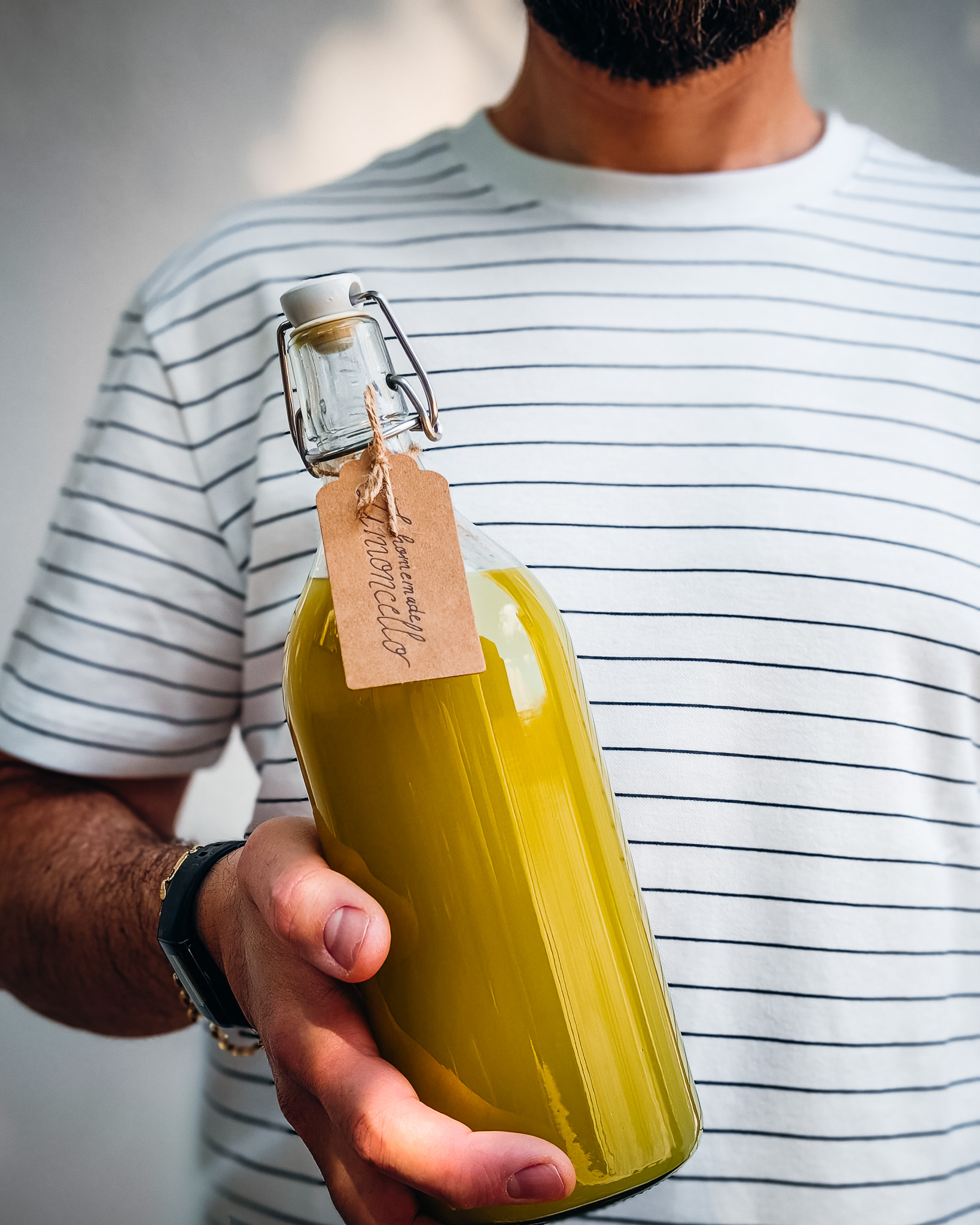
The lemons are still the heart of it, bright and vibrant as ever, while the fennel adds gentle herbal notes and a delicate, pleasant bitterness. The result is a beautifully balanced limoncello with a freshness that makes it feel a little less sweet than the classic version. Even its colour tells the story, changing from bright yellow to a rich golden green, almost like a fine extra virgin olive oil.
For us, seasonality and sustainability in the kitchen have never been about denying ourselves anything. They’re about paying attention, using a bit of imagination, and giving every ingredient the opportunity to become something beautiful.
Those fennel fronds, so often overlooked, gave this year’s limoncello its own unique character.
The greatest joy, though, came from sharing it. There’s something deeply satisfying about gifting something you’ve made with your own hands. A simple bottle, tied with some baker’s twine and a handwritten tag, carries more than just flavour. It carries the time, care and intention that went into making it.
Family and friends loved it so much that we’ll definitely be making it this way again.
Some of the best recipes aren’t inherited. They’re discovered.
Notes from our Venetian kitchen
Choosing the alcohol
We use neutral alcohol at 90–95% ABV, which is traditionally used in Italy for making homemade limoncello. If you are using a lower-proof spirit of around 70–76% ABV instead, reduce the amount of water to approximately 800–1,000ml so that the finished limoncello does not become too diluted.
Optional flavours
Fennel fronds are our favourite addition, but this recipe is also a wonderful starting point for experimenting with other delicate herbs. Try a few sprigs of lemon verbena, lemon balm or thyme. The aim is to complement the lemon rather than overpower it, so use herbs sparingly and adjust the infusion time according to their intensity.
Ingredients
Makes approximately 2.75 litres (usually five 500 ml bottles plus a little extra for tasting)
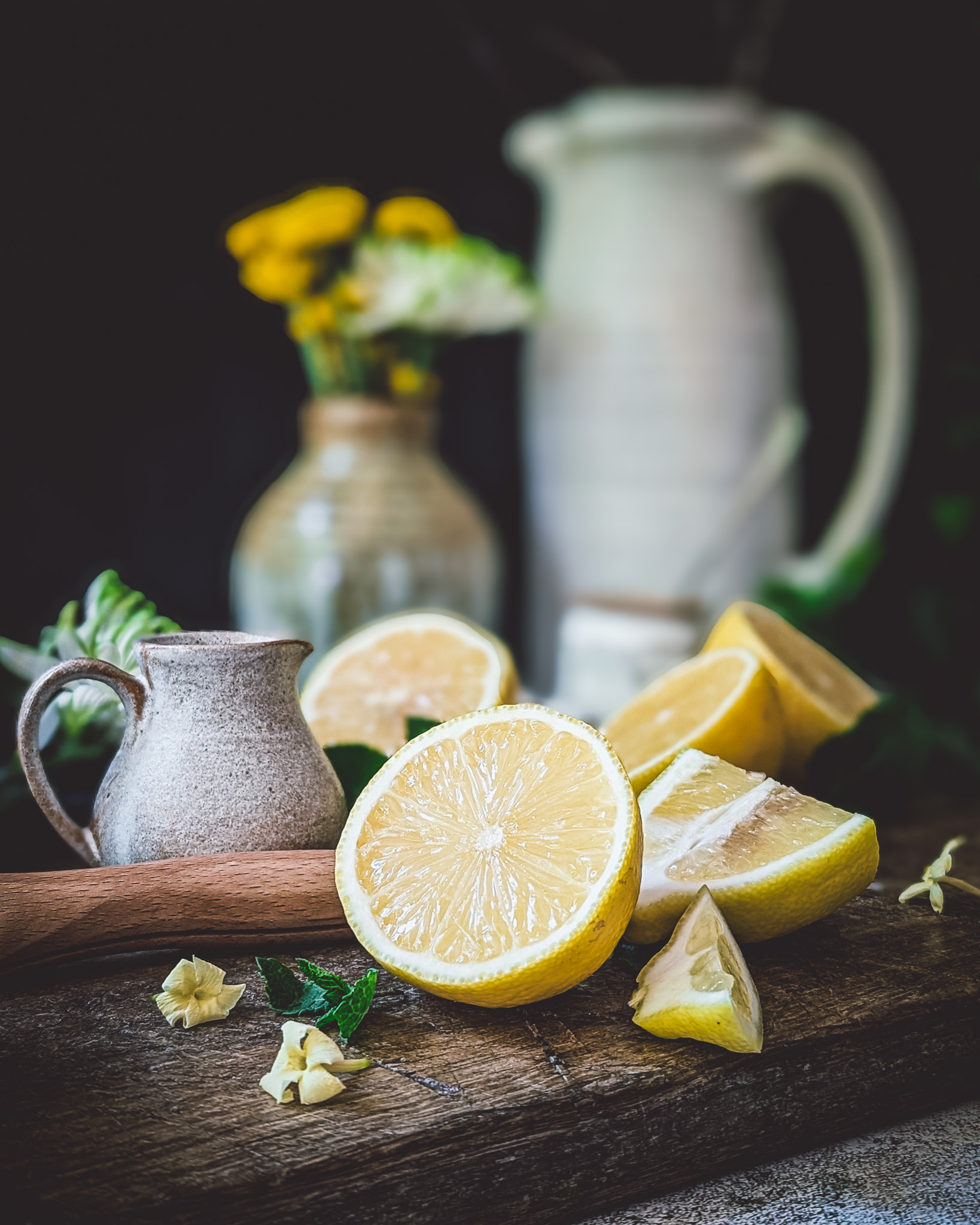
- 12 organic, unwaxed lemons
- 1 litre neutral alcohol, 90–95% ABV (see notes for alternatives)
- 900g caster sugar
- 1.5 litres water
- A small handful of fresh fennel fronds (optional, see notes from our kitchen)
Directions
1. Prepare the lemons
Wash and dry the lemons thoroughly. Using a vegetable peeler, remove the zest in thin strips, taking care to avoid as much of the white pith as possible, as this can make the limoncello bitter.
2. Infuse the lemon peels
Place the lemon peels in a large sterilised glass jar and pour over the alcohol. Add the fennel fronds, if using, and seal the jar.
Leave to infuse in a cool, dark place for around 3–4 weeks, gently shaking the jar every few days. As the alcohol extracts the oils from the lemon peel, the liquid will gradually become intensely fragrant and take on a deeper colour.
3. Make the sugar syrup
When the infusion is ready, place the water and sugar in a saucepan. Warm gently, stirring until the sugar has completely dissolved. Do not boil the syrup.
Allow it to cool completely.
4. Strain the infusion
Strain the infused alcohol through a fine sieve, removing all the lemon peels and fennel fronds. For an especially clear limoncello, you can strain it again through a coffee filter or fine muslin.
5. Combine
Pour the cooled sugar syrup into the infused alcohol and stir gently to combine.
The colour will change as the syrup is added, and the finished limoncello should have a beautiful golden green hue when fennel fronds have been used.
6. Bottle and rest
Pour the limoncello into clean, sterilised bottles and seal.
For the best flavour, leave it to rest for at least a week before serving, although it will continue to mellow and develop over time.
Serve well chilled, straight from the freezer or refrigerator, in small – even better if chilled – glasses.
Share this recipe: