
Sometimes memories rush back when we least expect them, triggered by something as simple as a taste, a smell, or a familiar sight. For me, apples always mean my parents’ house in autumn and the fruit bowl on our table shifting from bright summer berries to a vibrant mix of apples in every shade and colour. My mum has always loved them, and with apple-growing Trentino-Alto Adige just next door, there were constantly more in the house than we could eat.
Her frullato di mele (apple smoothie), which she would make for my brother and me because “it’s good for you,” and her Venetian apple cake always come to mind whenever I think, ‘shall we buy some apples and make something with them?’ But we also love using them in stews and soups, which is something we came to appreciate more after moving to London and exploring different cuisines.
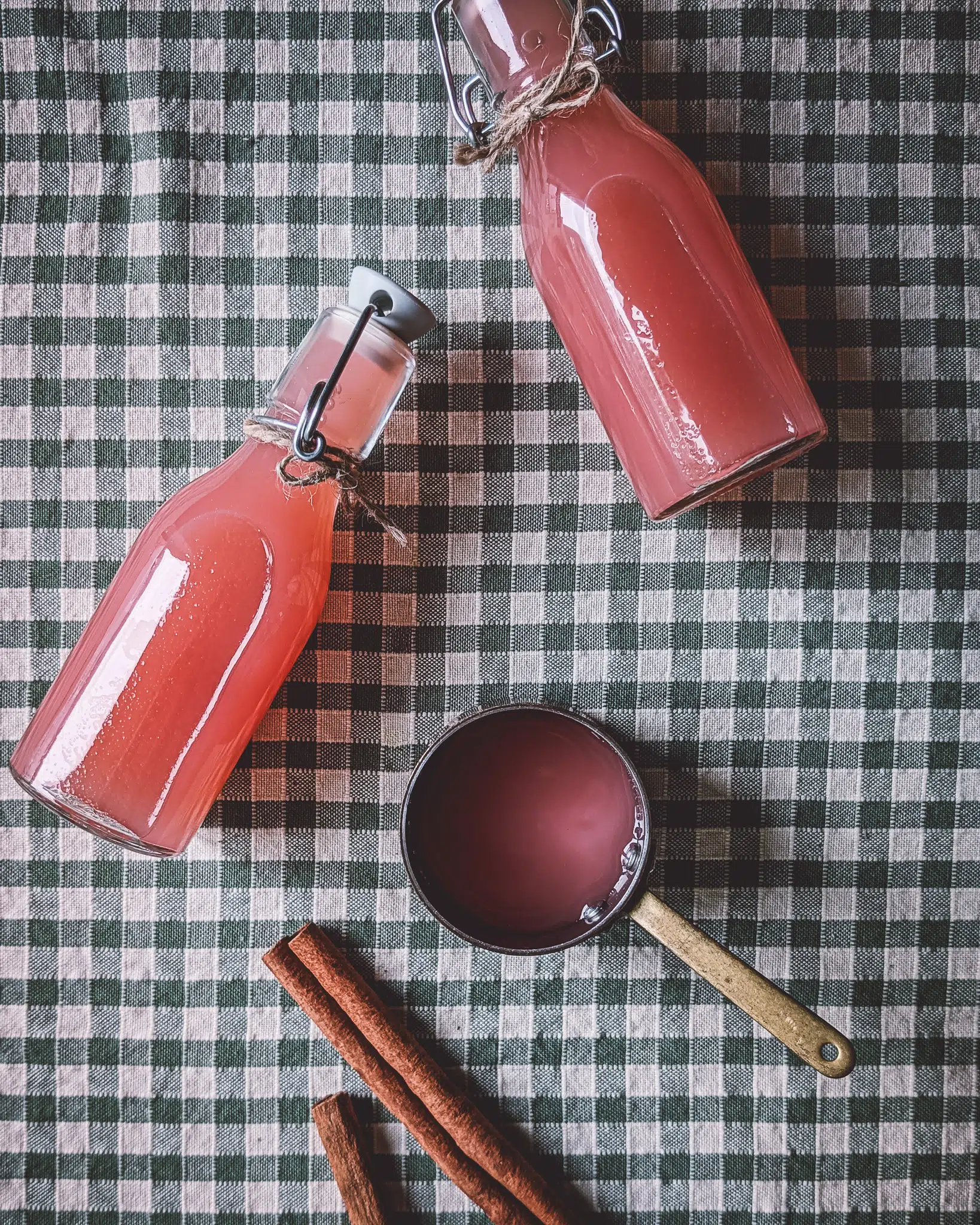
I also have fond memories of drinking warm apple juice during family trips to the mountains, especially after a day out in the cold. In recent years, driven by my love of simple cooking and a desire to make more from scratch, I started making apple juice at home, turning the apples now abundant at the market into a fresh drink rather than buying it ready-made. It has since become one of our favourite autumn and winter traditions. And when the colder days arrive, we like to enjoy it warm, a little reminder of the apple punch we used to drink during our trips to the Dolomites.
When the leaves start to fall, right through to winter, while everyone else is sipping mulled wine, Fabio and I warm our apple juice with spices instead. Occasionally, we finish it with a splash of rum, brandy, or — even better — grappa, whenever we manage to find it or bring it back from one of our Italian trips. (Just don’t tell our mums!)
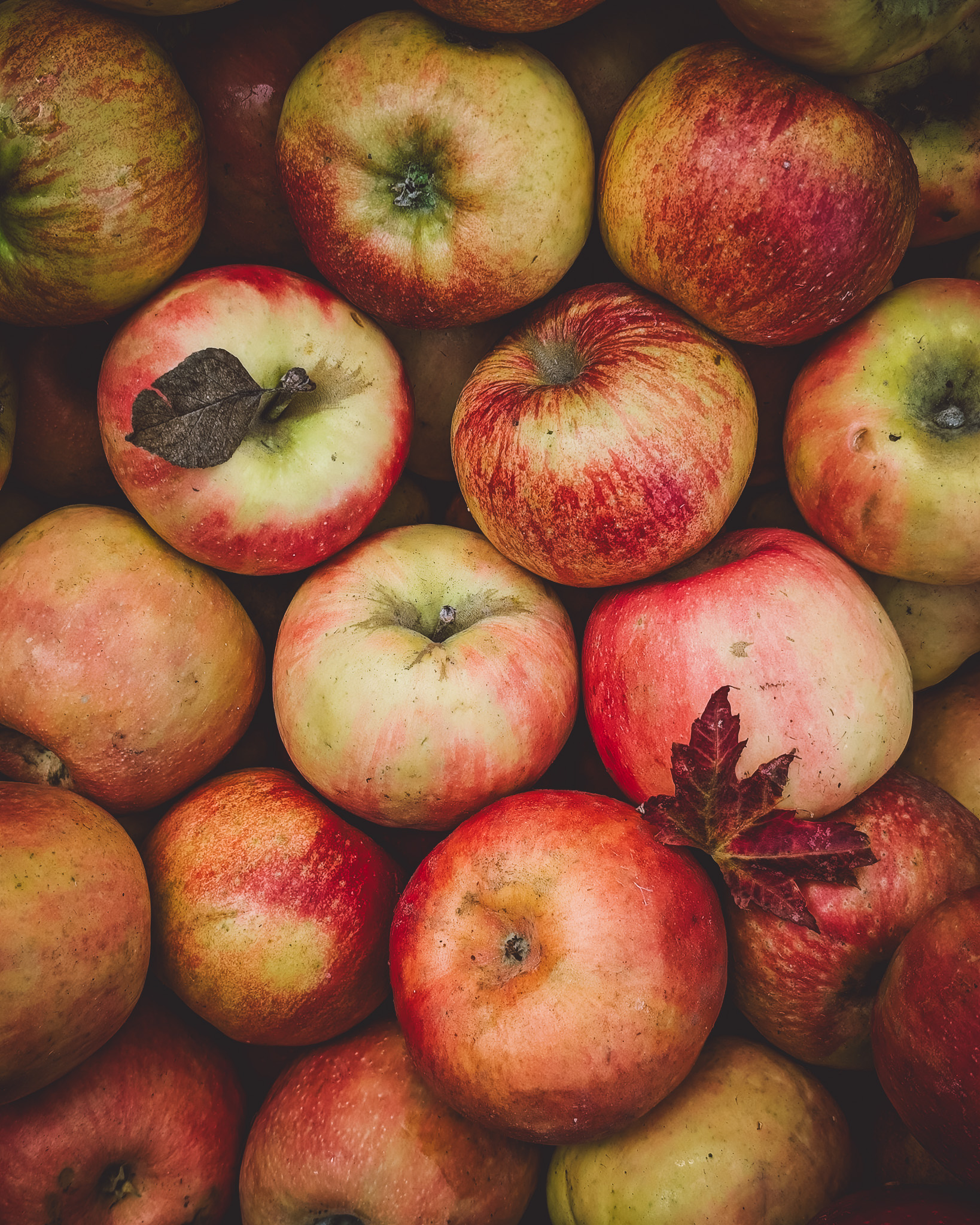
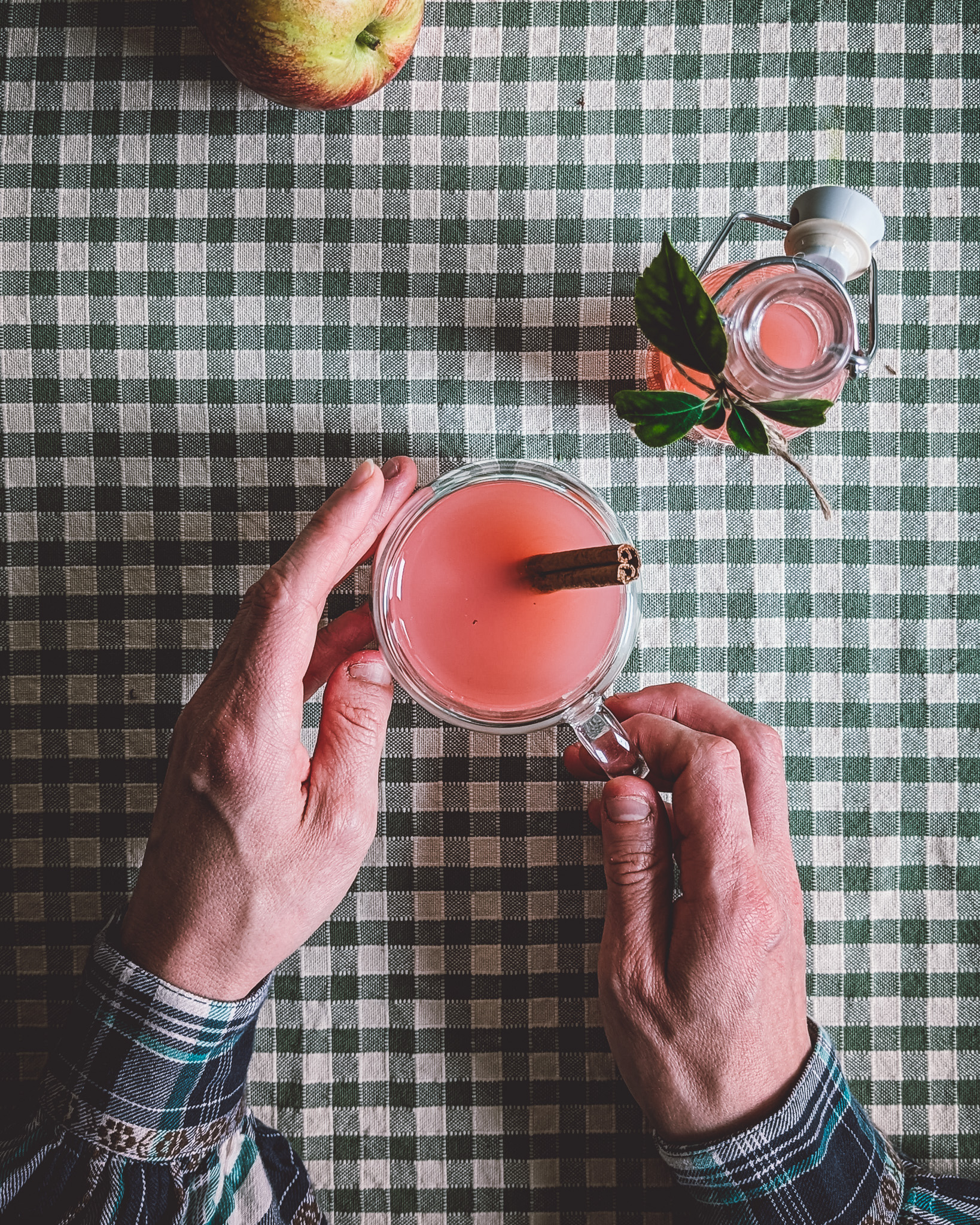
There are surely millions of homemade apple juice recipes out there already, but I wanted to share ours. It features the quantities that work best for us, hoping it might nudge you to try making something from scratch that you’d usually buy at the supermarket.
It’s wonderfully simple to make at home. A little messy, sure, but that’s half the fun. And of course, it’s easier to buy ready-made juice at the supermarket. Or even at the market. But, there’s something grounding about taking fresh fruit and transforming it yourself.
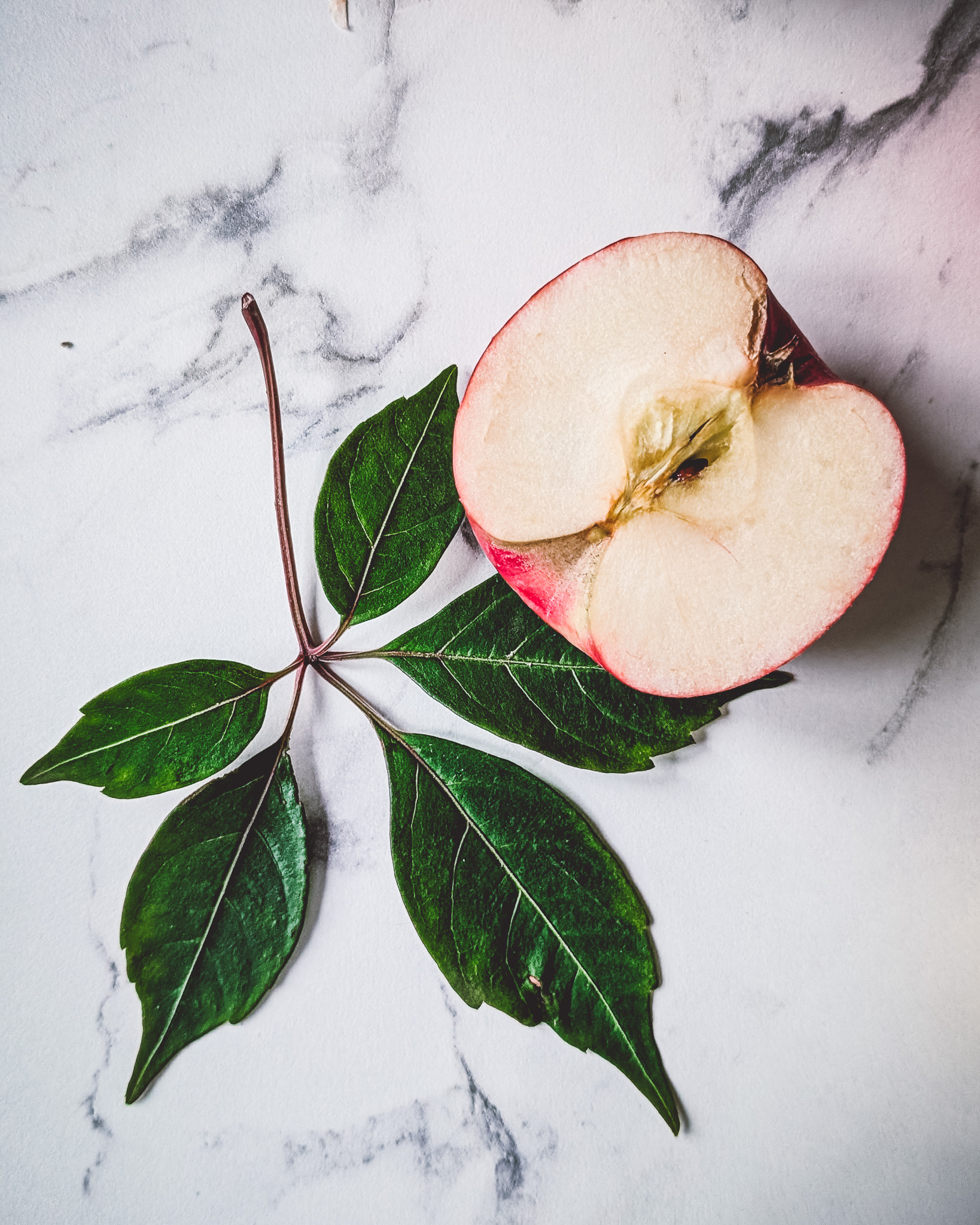
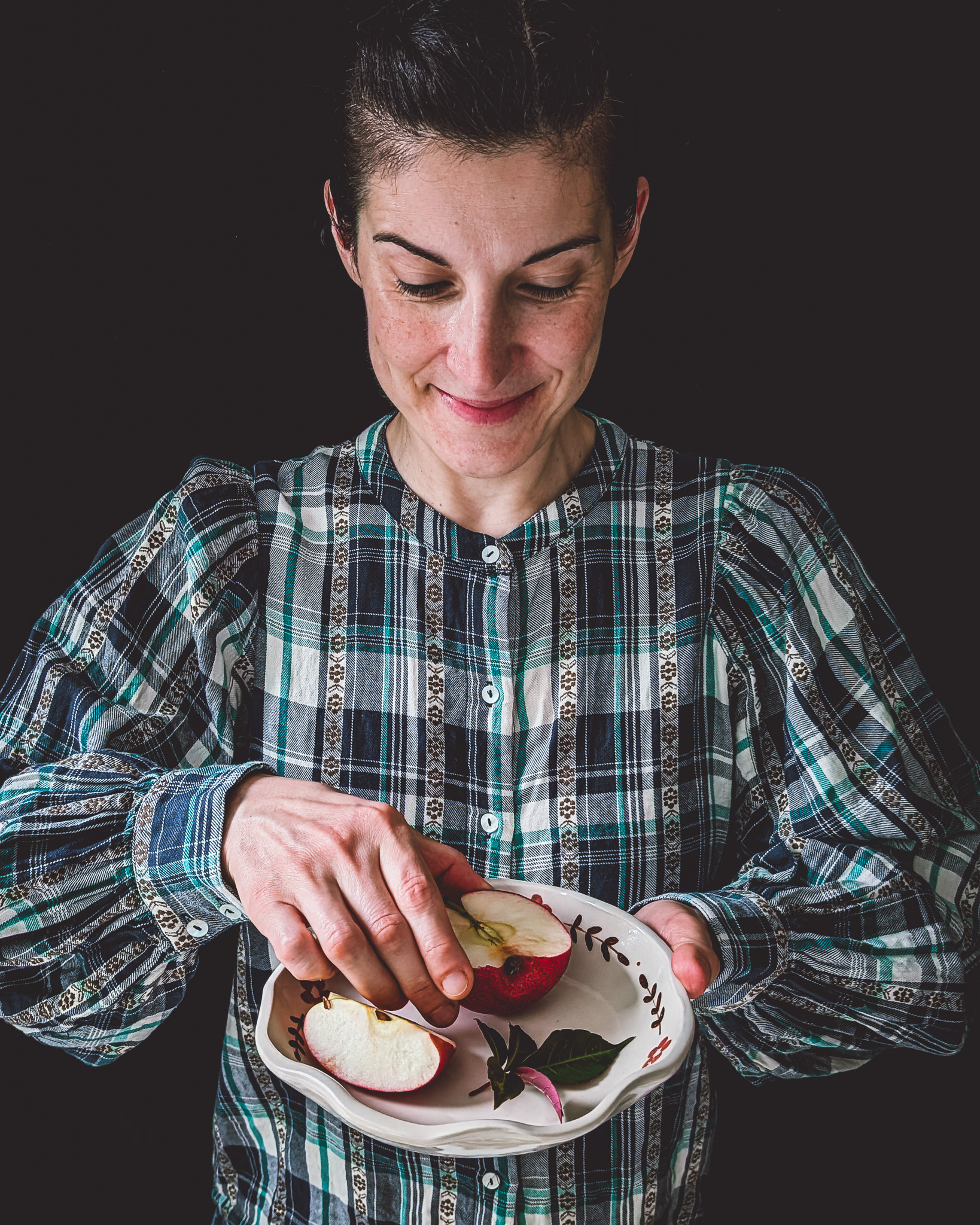
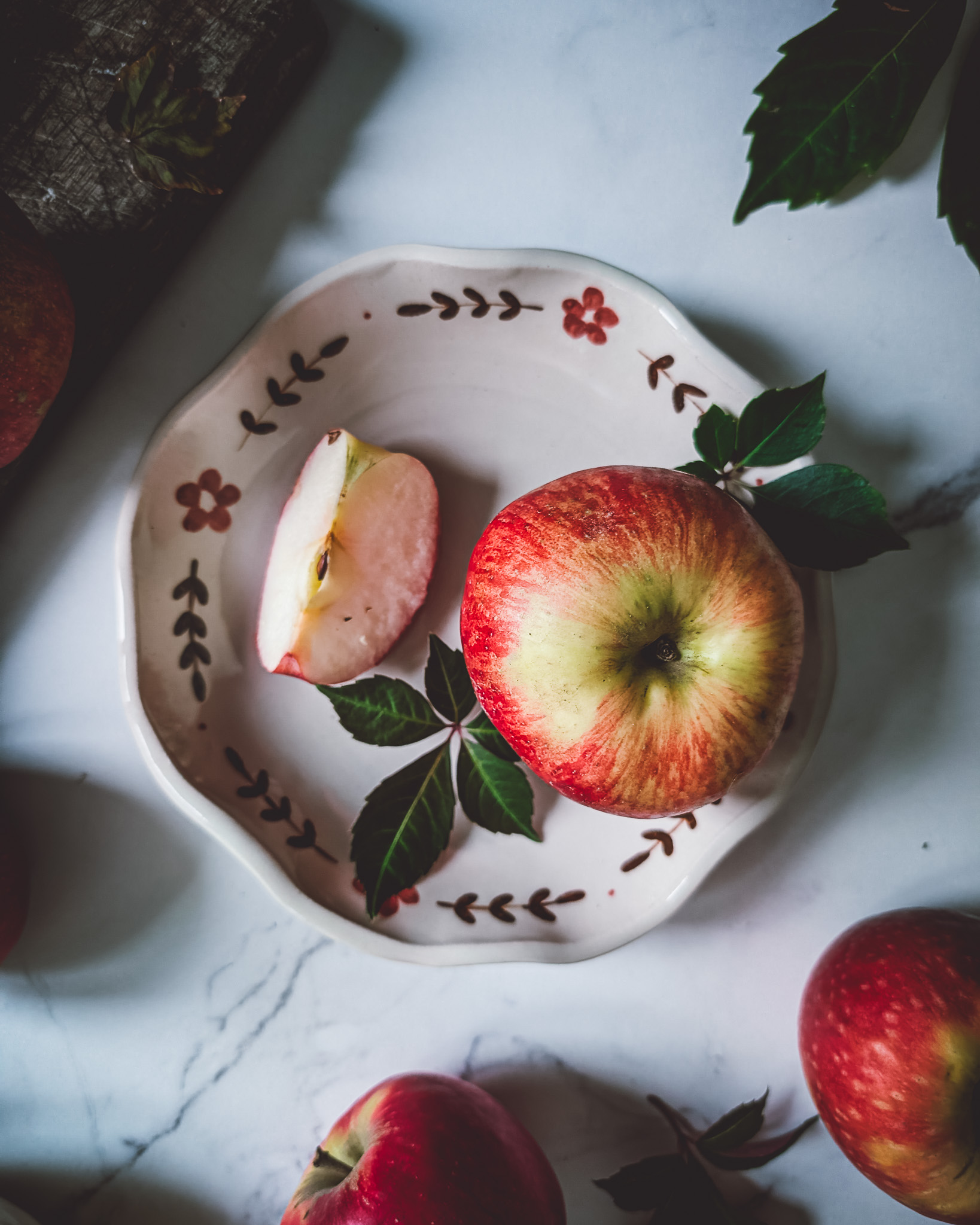
Our base version uses no added sugar or spices, letting the natural flavour of the apples shine through. You can drink it cold, but as I mentioned, we love to warm it gently in a saucepan. Here in the UK, I like using Pink Lady apples because they give the juice a gorgeous rosy hue, but any variety will work — the colour and flavour will simply adapt. I keep the peel on for colour, but discard the cores so the flavour stays cleaner.
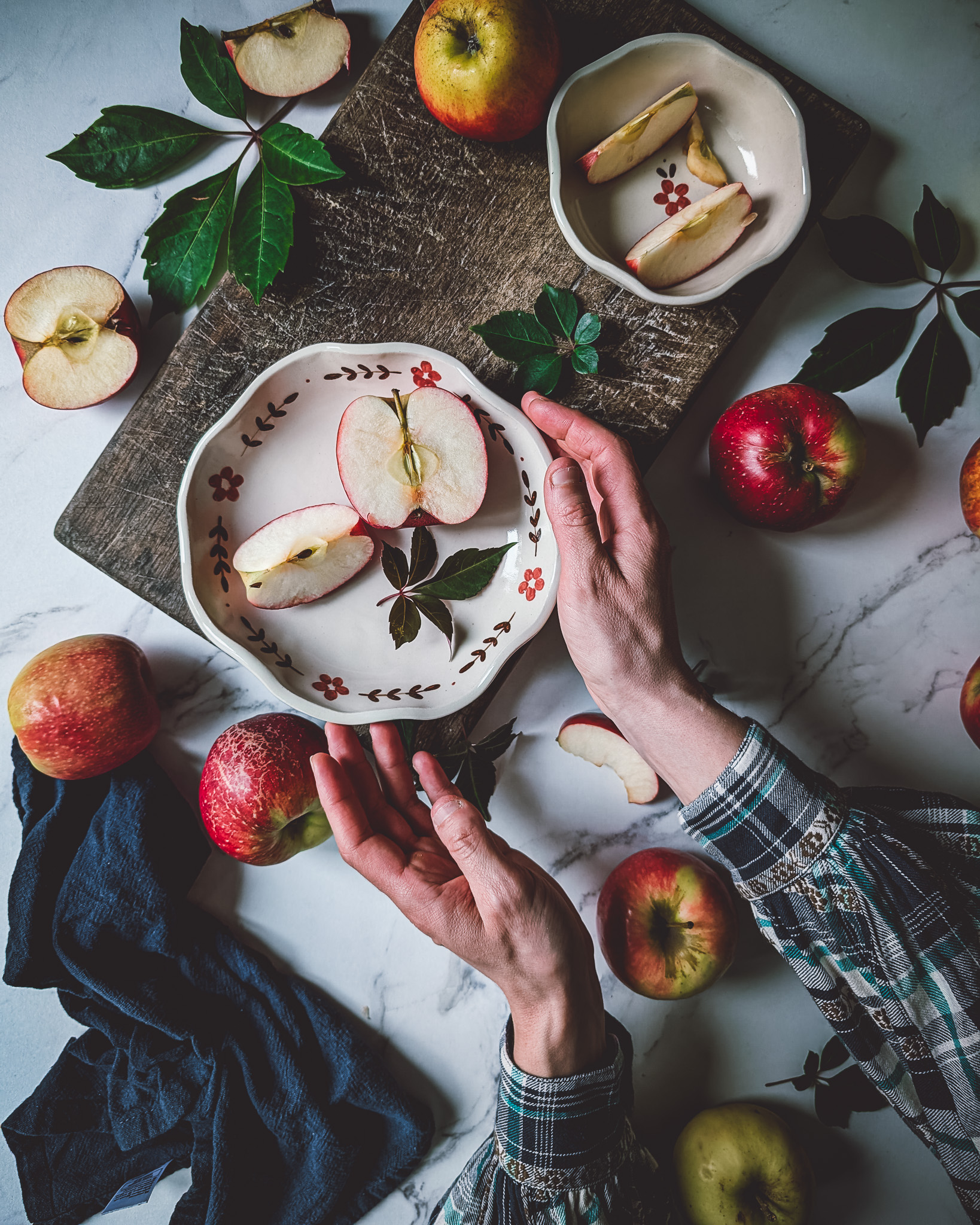
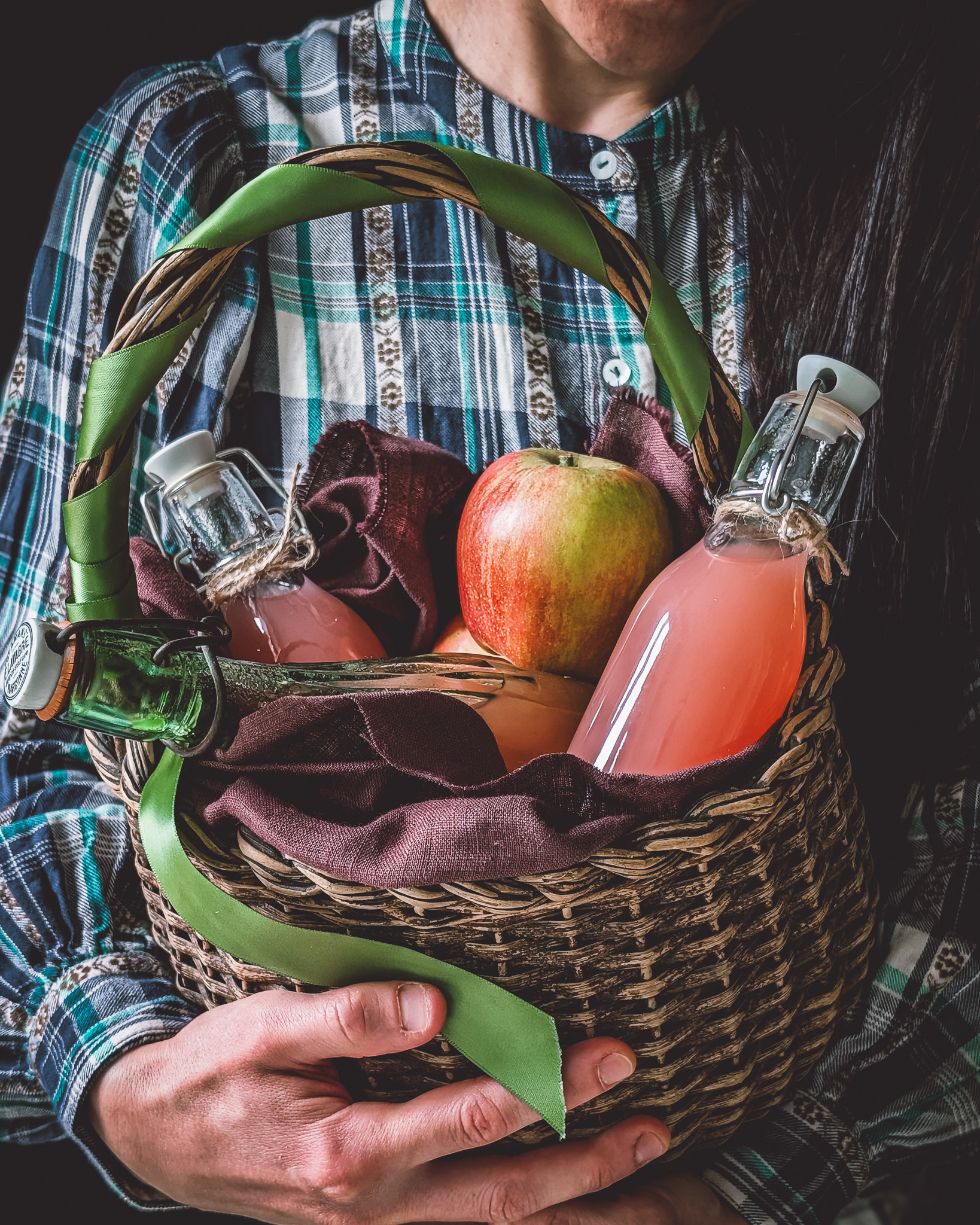
Think of this base as a canvas to play with. Through autumn and winter, try infusing it with cinnamon, cloves, star anise, or a sliver of fresh ginger. And, true to my dad’s favourite mountain drinks, a splash of grappa or rum turns it into something deeply warming.
It’s a simple recipe with endless variations, which is probably why I love it so much. Recipes like this don’t belong to just one place or season. Without us even realising it, they carry pieces of where we came from, making a home that isn’t so new anymore feel a little warmer, too.
Agnes
Notes from our Venetian kitchen
Choosing the apples
You can use almost any apples for this recipe, and a mixture of varieties works beautifully too. In the UK, we often use Pink Lady apples, which give the juice a lovely rosy colour when the skins are left on. Different apples will naturally give you different levels of sweetness, acidity and colour, so don't worry about finding a particular variety. This is a recipe to make with the apples you have.
Getting the most juice
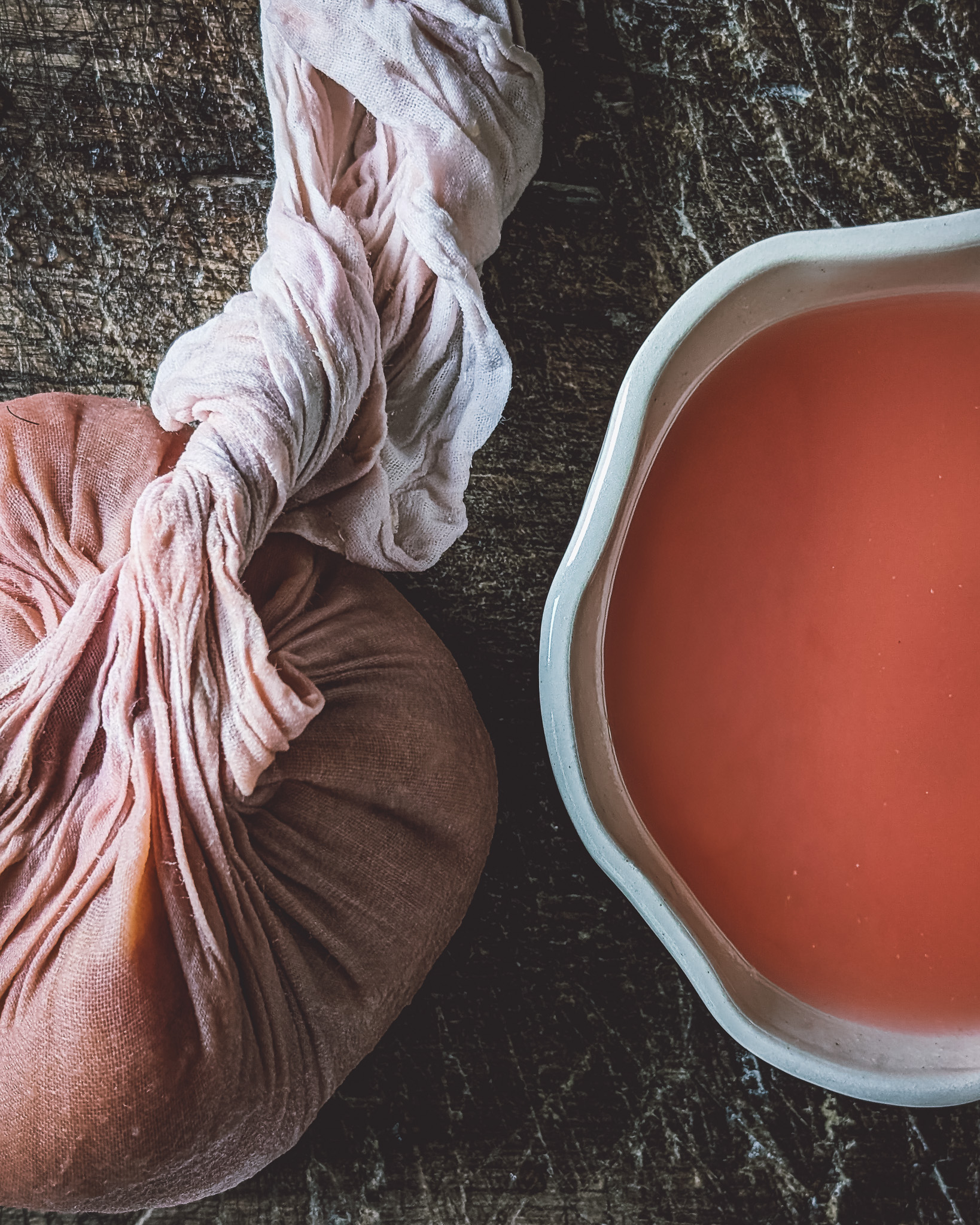
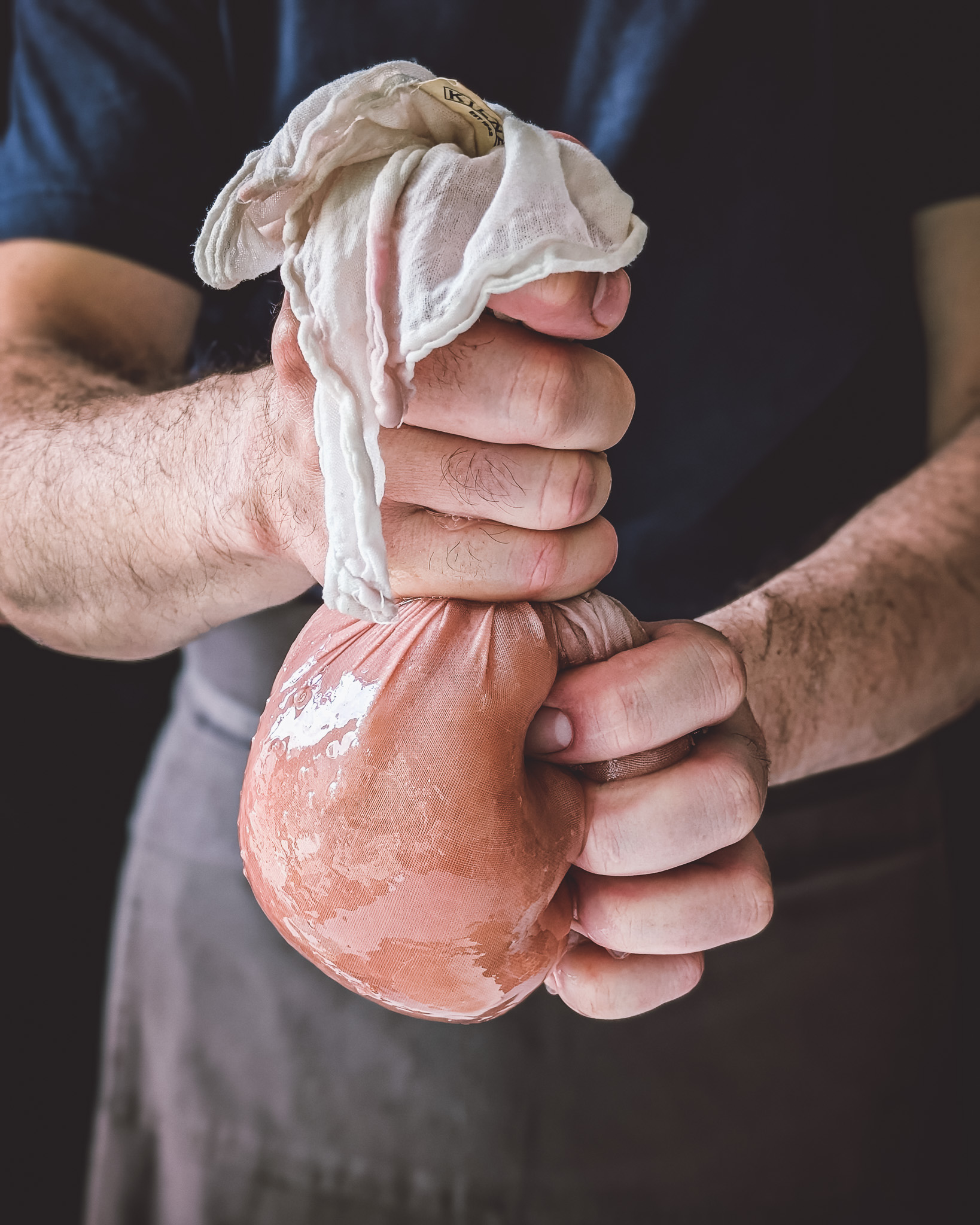
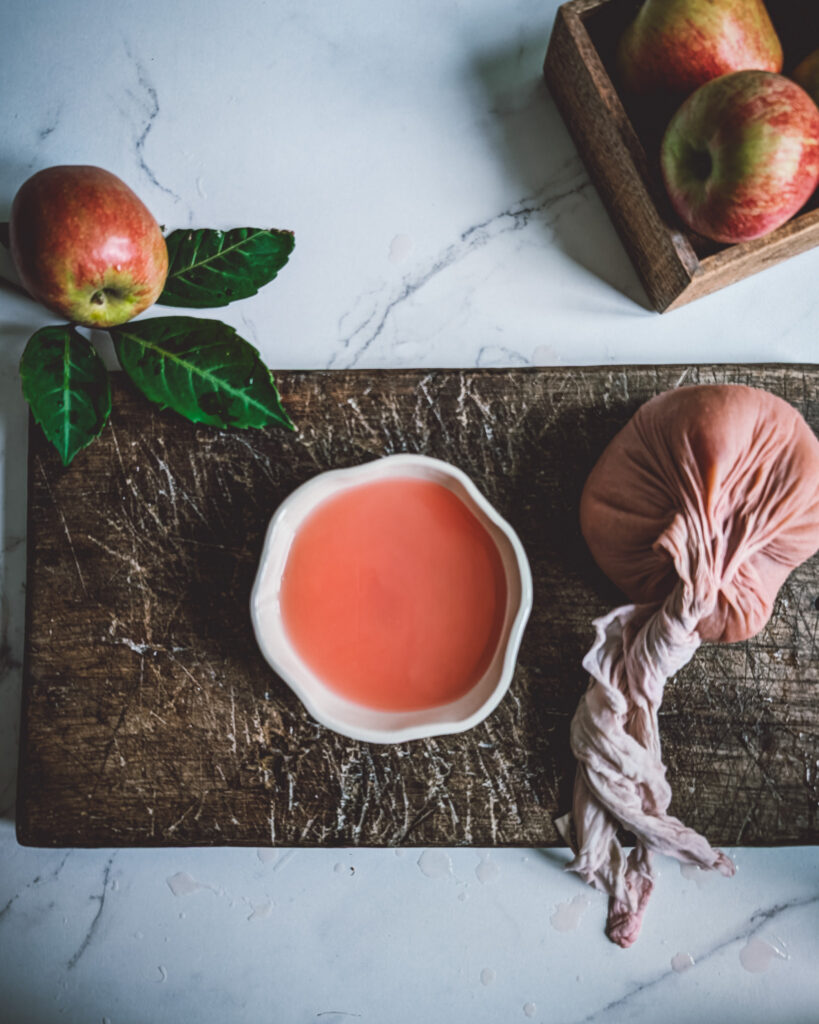
Don't be tempted to throw away the cooked apples too quickly. We like to let the whole mixture drain slowly through a fine muslin in the fridge overnight. It takes a little planning, but it means more juice is released naturally. And the following morning, give the muslin a really good squeeze. You'll be surprised by how much more juice is still hiding in there. From 2kg of whole apples, we usually end up with around 800ml to 1 litre of juice, depending on the apples and how much juice we manage to extract.
Warm it up
Our base recipe contains nothing but apples, water and lemon juice. We deliberately leave out sugar and spices so that the flavour of the apples comes through.But this is where you can make it your own. Through autumn and winter, we sometimes warm the juice gently with a cinnamon stick, a couple of cloves, star anise or a little fresh ginger. And for a more grown-up version, a splash of rum, brandy or — our favourite — grappa makes it wonderfully warming.
Storing the juice
Because this is a fresh homemade juice with no preservatives, we keep it refrigerated. Pour it into clean, sterilised bottles and refrigerate as soon as it has cooled. It will keep in the fridge for up to 3–4 days. If you won't drink it within that time, you can freeze it instead.As with any fresh homemade juice, if it develops an unusual smell, flavour, appearance or any signs of fermentation or mould, discard it rather than tasting it to check.
What to do with the leftover apple pulp
Don’t throw away the leftover apple pulp. You can stir it into porridge or yoghurt, or use it in cakes, muffins and pancakes. It also makes a lovely filling for a simple apple tart.
For a tart, we recommend blind baking the pastry for a short time before adding the apple pulp, to help prevent the base from becoming soggy.
Taste the pulp first: if your apples are naturally sweet, you may not need to add anything. If it tastes a little tart, stir in a small amount of sugar or honey, adding more to taste. If the pulp is quite wet, cook it gently in a pan for a few minutes to help it thicken before using it as a filling. You can also add a little cinnamon for extra flavour.
The pulp may be quite dry after straining, so adjust its consistency as needed.
If you’re not using it straight away, refrigerate it promptly or freeze it for later.
Ingredients
Makes 800ml–1 litre
- 2kg apples (roughly 1.65–1.7 kg when prepared, see step 1)
- 500ml water
- 100ml fresh lemon juice
Directions
1. Prepare the apples
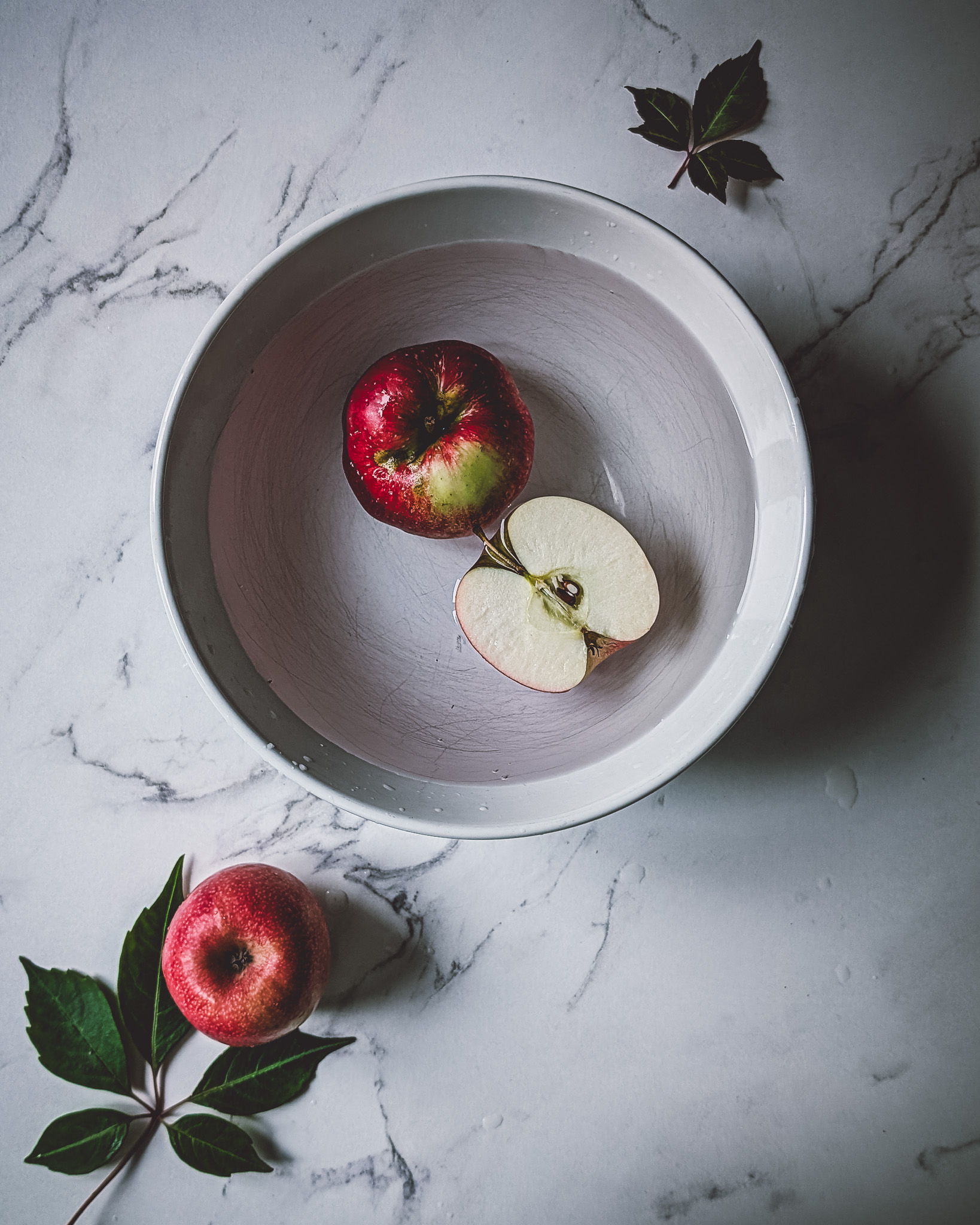
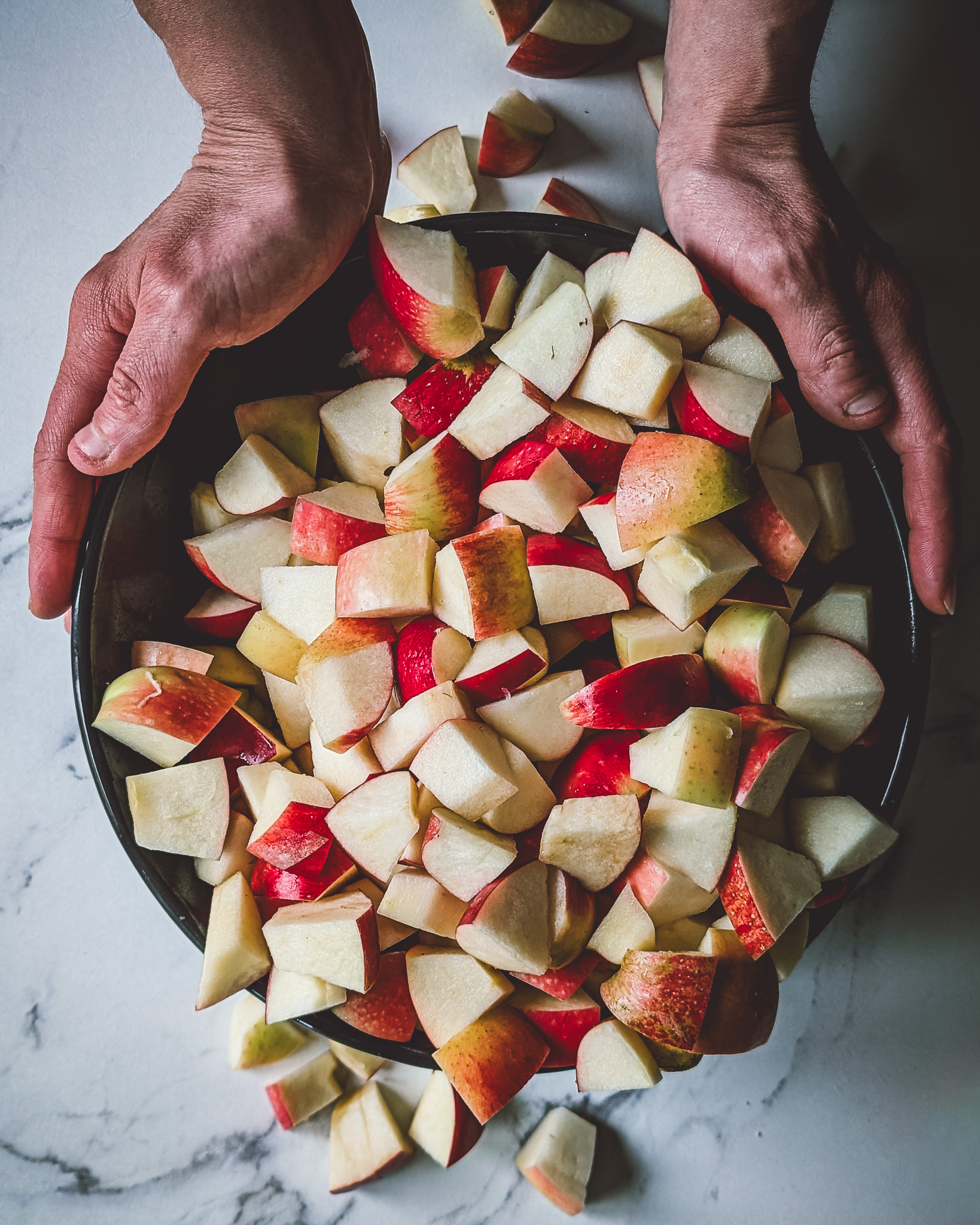
Wash the apples well, then remove the cores. Keep the peel on, it adds both colour and flavour. Chop the apples into rough chunks.
2. Cook the apples
Place the chopped apples in a large saucepan with the water and lemon juice. Bring to the boil, then reduce the heat to low and simmer gently for 30 minutes, stirring occasionally, until the apples have softened and broken down.
3. Cool
Remove from the heat and leave to cool to room temperature.
4. Strain
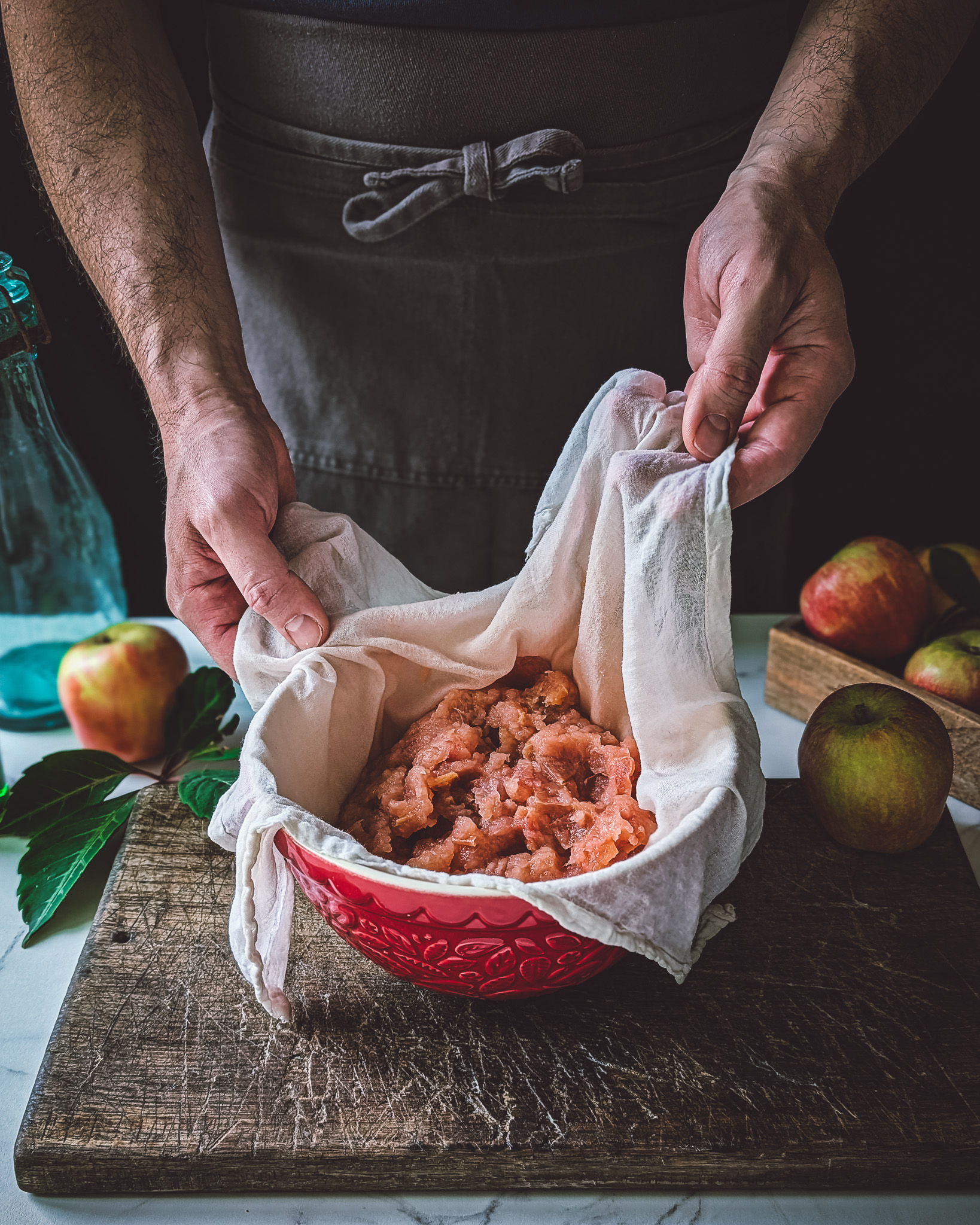
Line a large bowl or saucepan with a fine muslin cloth and carefully tip the entire mixture into it. Leave to drain in the fridge overnight. We prefer not to rush this stage, as the juice continues to slowly release from the cooked apples.
5. Squeeze
The following day, squeeze the muslin firmly to extract the remaining juice. There is surprisingly more left than you might expect.
6. Bottle
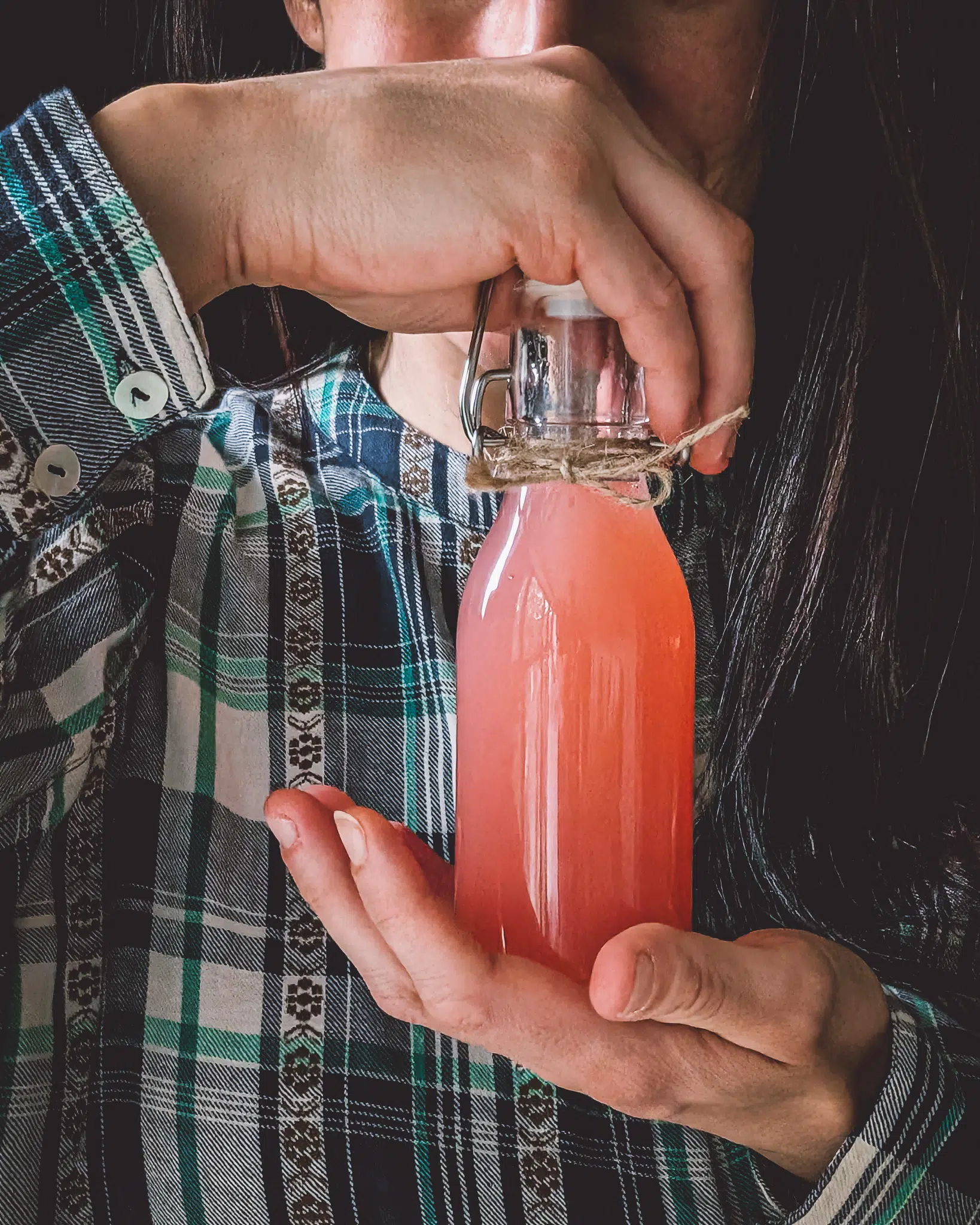
Pour the juice into clean, sterilised bottles and refrigerate. Serve chilled, or gently warm in a saucepan for a comforting autumn or winter drink.

Share this recipe: