
Growing up in Italy, Sundays were reserved for family, comfort, and good food. For us, Sunday lunch almost always meant one of two things: a warm dish of fresh pasta or a plate of soft potato gnocchi smothered in rich ragù, followed by a tray of sweet mini pastries (pastine) from the local bakery for dessert.
Long before we even opened our eyes, the day would already be underway in the kitchen. Our mums would start the ragù early in the morning, letting it simmer quietly on the stove for hours. Sometimes they would even make it the day before just to give it all the time it needed. That is the true secret of a good ragù: you simply cannot rush it. In a fast-paced world that constantly tells us to hurry, cooking a proper ragù asks us to slow down, pay attention, and wait.
Because it was the weekend, our mums would let us sleep in a little longer. And, we would wake up to that incredible, deep aroma filling every room in the house, a very special smell that immediately meant celebration, togetherness, and a family day.
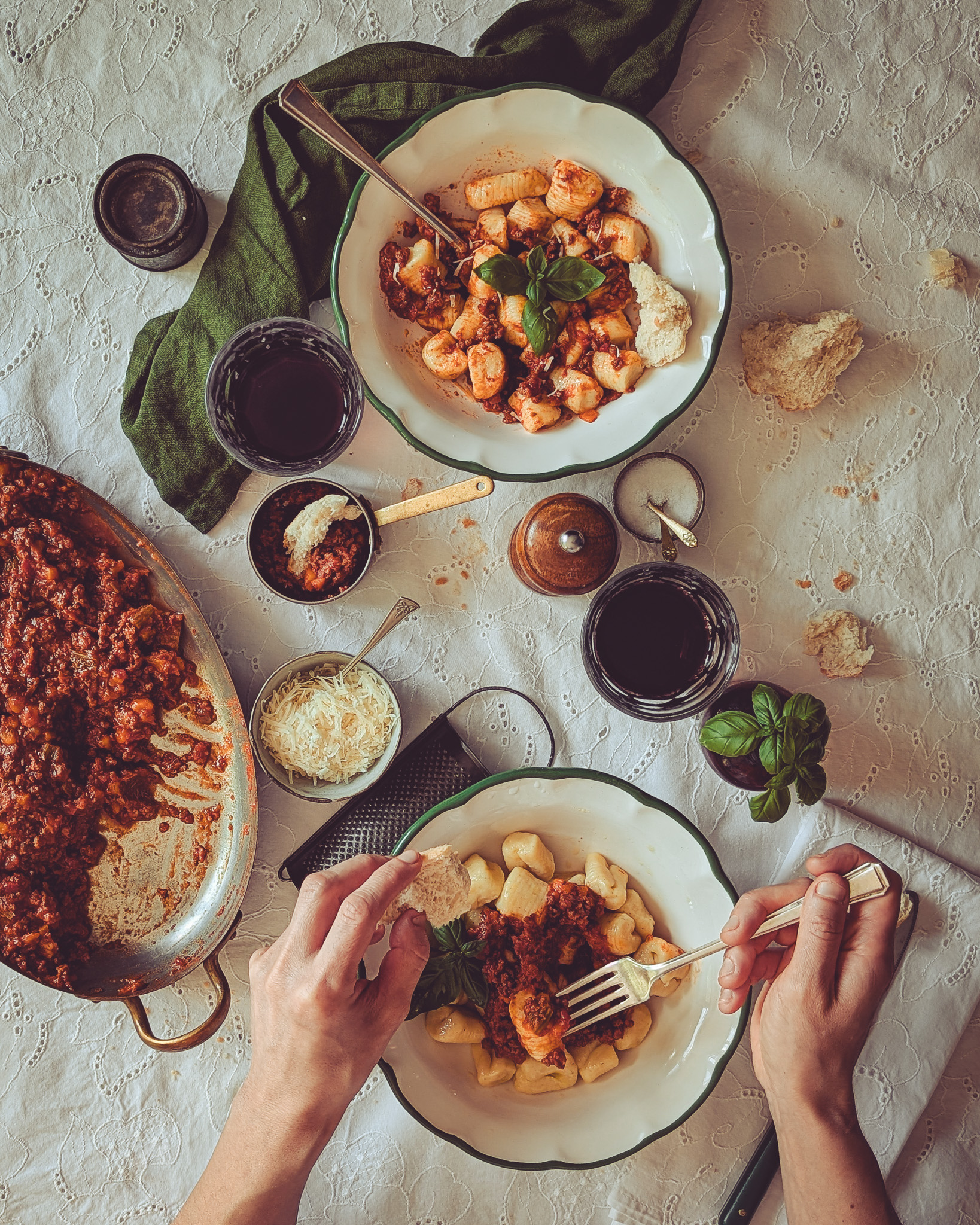
And, of course, as kids, we couldn’t resist. We would rush down the stairs in our pyjamas, lift the lid on the stove, and try to sneak a spoonful of ragù straight from the pot with a crust of bread. Almost instantly, our mums would turn around and shout, “Stop eating that, or you’ll ruin your lunch!”
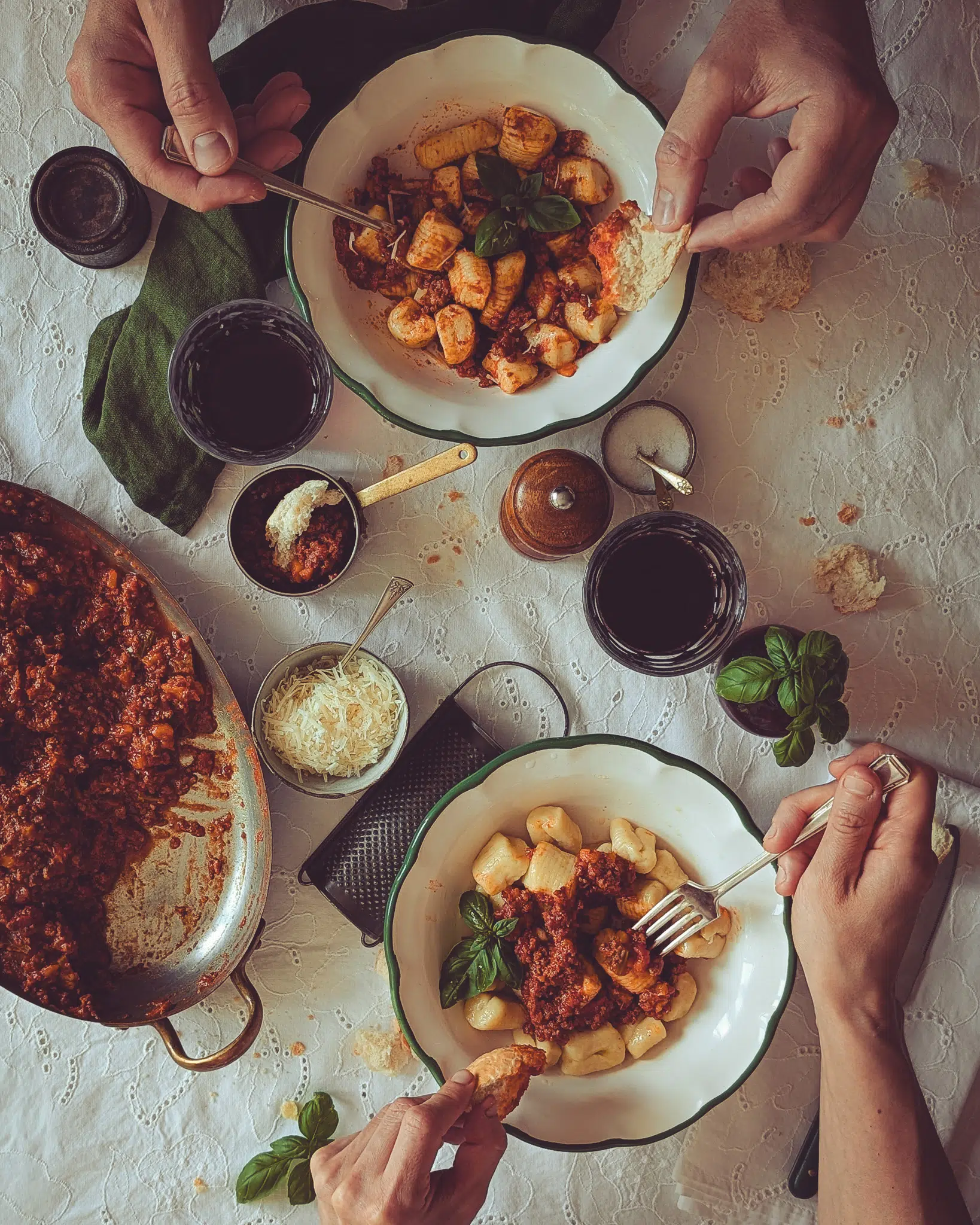
By the time we washed our hands, the potatoes for the gnocchi would usually be hot and freshly boiled, sitting on the counter ready to be peeled. Helping mash the warm potatoes, lightly dusting the wooden board with flour, and rolling out long ropes of dough to slice into little pillows was always the best part of the morning. It felt less like a chore and more like a game, and it remains one of our fondest memories of growing up around the kitchen table.
Looking back, it is perhaps no surprise that gnocchi has remained such a special dish for both of us. So much of what we cook today comes from those Sunday mornings, from watching our mums cook and learning, almost without realising it, the little things that make a family recipe feel like home.
Of course, each of our mums has her own cherished recipe for both gnocchi and ragù. We took the best bits from both of our families, brought them together, and let Fabio add his expertise as a passionate lifelong eater of gnocchi. The result is our very own version, made with love and respect for the traditions we grew up with.
Notes from our Venetian kitchen
Making both gnocchi and ragù from scratch is a bit of a labour of love, but it is one of the most rewarding meals you can create at home. Store-bought versions simply cannot match the texture of fresh potato dough or the deep, gentle richness of a long-simmered sauce.
Here are the essential tips we have gathered over the years from our family kitchens to help you get the best results:
Choose the right potatoes
Use floury, starchy potato varieties such as Russet, Desiree or Maris Piper. Avoid waxy potatoes, as they retain too much water and can result in dense gnocchi.
Take your time with the ragù
Gently sauté the finely diced onion, carrot and celery in olive oil until soft and sweet. This creates the essential flavour base for the sauce. Add the meat and let it cook down thoroughly, allowing it to release its juices before adding the tomatoes or other liquid.
Keep the ragù low and slow
Once all the ingredients are together, keep the flame on its lowest setting so the ragù bubbles gently rather than boiling. Allow it to simmer quietly for at least two to three hours. The longer and more gently it cooks, the richer and deeper the flavour becomes.
Rice the potatoes while hot
Peel and pass the potatoes through a potato ricer while they are still hot, straight from the pot. As the potatoes cool, trapped steam turns into excess moisture, which can make the dough harder to work with.
Go easy on the flour
Add the flour gradually, using only enough to bring the dough together into a soft, smooth ball. Too much flour will make the gnocchi heavy and rubbery
Work quickly but gently
Knead the dough only as much as necessary to bring it together. Overworking it develops the starches and can make the dough sticky and the finished gnocchi heavy.
On cooking or freezing the gnocchi
Once shaped, the gnocchi can be cooked straight away or frozen for later. If cooking fresh, drop them into a large pot of well salted boiling water in batches. As soon as they rise to the surface, scoop them out with a slotted spoon.
If you are cooking a large quantity, transfer the cooked gnocchi to a bowl, drizzle with a little olive oil and gently toss them to prevent them from sticking while the remaining gnocchi cook. Once they are all ready, transfer them directly into the warm ragù.
If freezing, arrange the uncooked gnocchi in a single layer on a lightly floured tray and freeze until firm, then transfer them to a freezer bag or container. Cook them directly from frozen, without thawing.
Let the ragù rest
If you have the time, make the ragù a day in advance. Like many slow cooked sauces, it often tastes even better the next day. Reheat it gently before serving.
On freezing the leftover ragù
Ragù takes time to make, so in Italy it is common to prepare a large pot and freeze it in portions to enjoy later. Once completely cooled, divide the ragù into freezer safe containers or bags and freeze for up to 3 months. Thaw overnight in the fridge, then gently reheat in a saucepan until piping hot.

Ingredients
Makes 4 generous portions of gnocchi, with enough ragù left over for another 4 portions
For the gnocchi
- 600g mashed potatoes, net weight (start with about 750–800g raw floury potatoes – see notes and instructions)
- 250g plain flour
- 2 medium eggs
- 1 tsp fresh nutmeg
- 2 tsp salt
For the ragù
- 500g beef mince
- 250g pork mince
- 200g carrots, finely diced
- 150g onion, finely diced
- 150g celery, finely diced
- 3 tbsp extra virgin olive oil
- ½ tsp freshly grated nutmeg
- 2 x 400g cans chopped tomatoes
- 250ml good quality tomato passata
- 200ml red wine
- 400ml water, for rinsing the tomato cans and passata bottle
- 2 tbsp tomato purée
- 1 bay leaf
- 3 basil stalks
- Salt and freshly ground black pepper, to taste
To serve
- Grated parmesan (optional)
- Crusty bread (optional)
Directions
Make the ragù
1. Make the soffritto
Finely dice the carrots, onion and celery. Add them to a large saucepan with the extra virgin olive oil and cook over medium high heat for about 10 minutes, stirring occasionally, until the vegetables have softened and started to become sweet and golden.
2. Brown the meat
Add the beef and pork mince to the pan. Break the meat up with a wooden spoon, making sure there are no large lumps. Cook for 10 to 15 minutes, stirring occasionally. At first, the meat will release quite a lot of moisture. Keep cooking until the liquid has evaporated and the meat starts to sizzle and fry in the oil.
Add 1 teaspoon of salt, the grated nutmeg and a generous grind of black pepper. Stir well and continue cooking.
3. Add the wine
Once the meat begins to catch slightly on the bottom of the pan, pour in the red wine. Stir well, scraping up any caramelised bits from the bottom, and cook for about 5 minutes, allowing the alcohol to evaporate.
4. Add the tomatoes
Add the chopped tomatoes, passata, tomato purée, bay leaf and basil stalks. Stir everything together and bring the ragù back to a gentle simmer. Rinse the tomato cans and bottles with the water and also add that to the pan.
Once simmering, reduce the heat to the lowest setting your hob allows. Cover with a lid, leaving it slightly ajar so that some steam can escape.
5. Let the ragù cook slowly
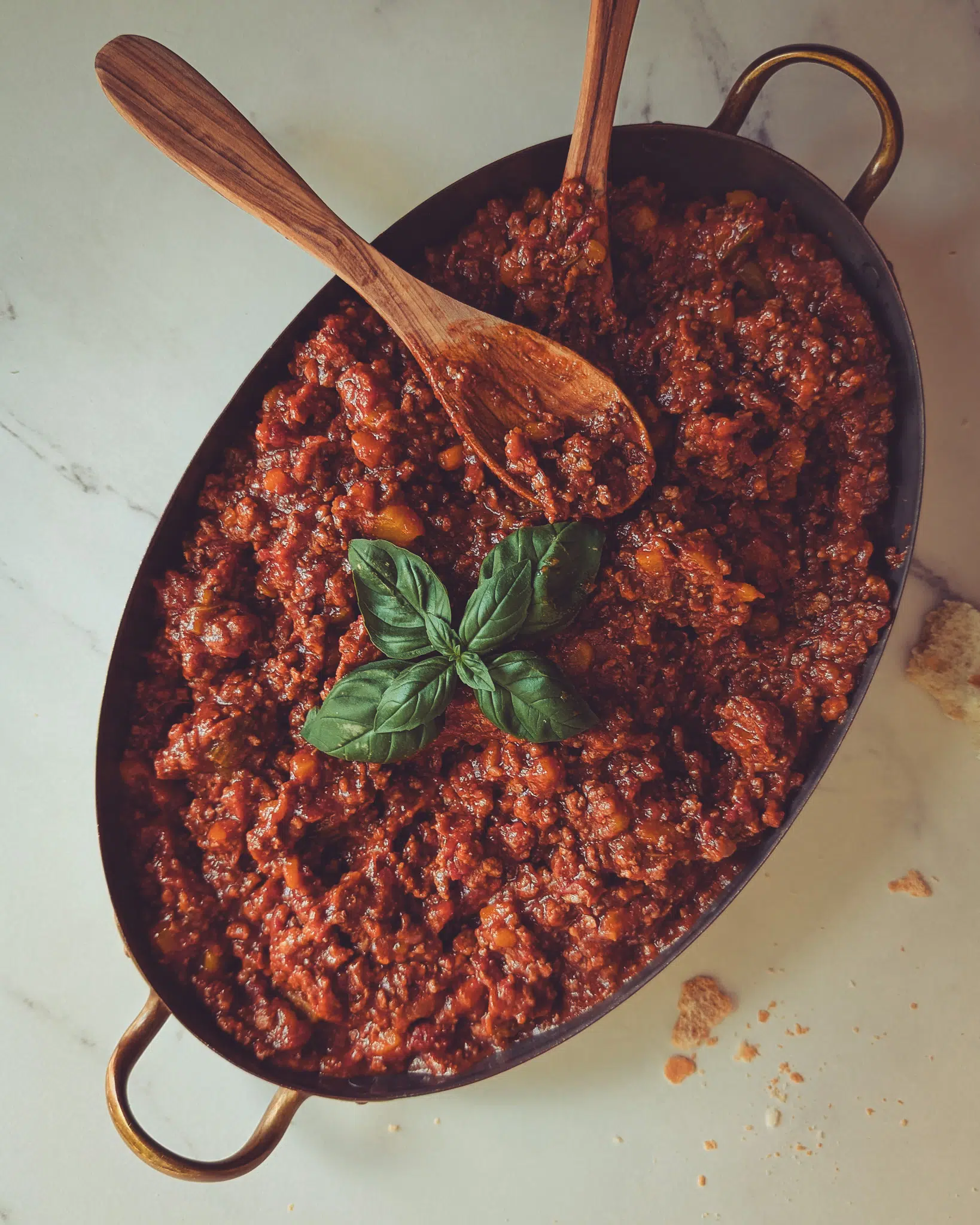
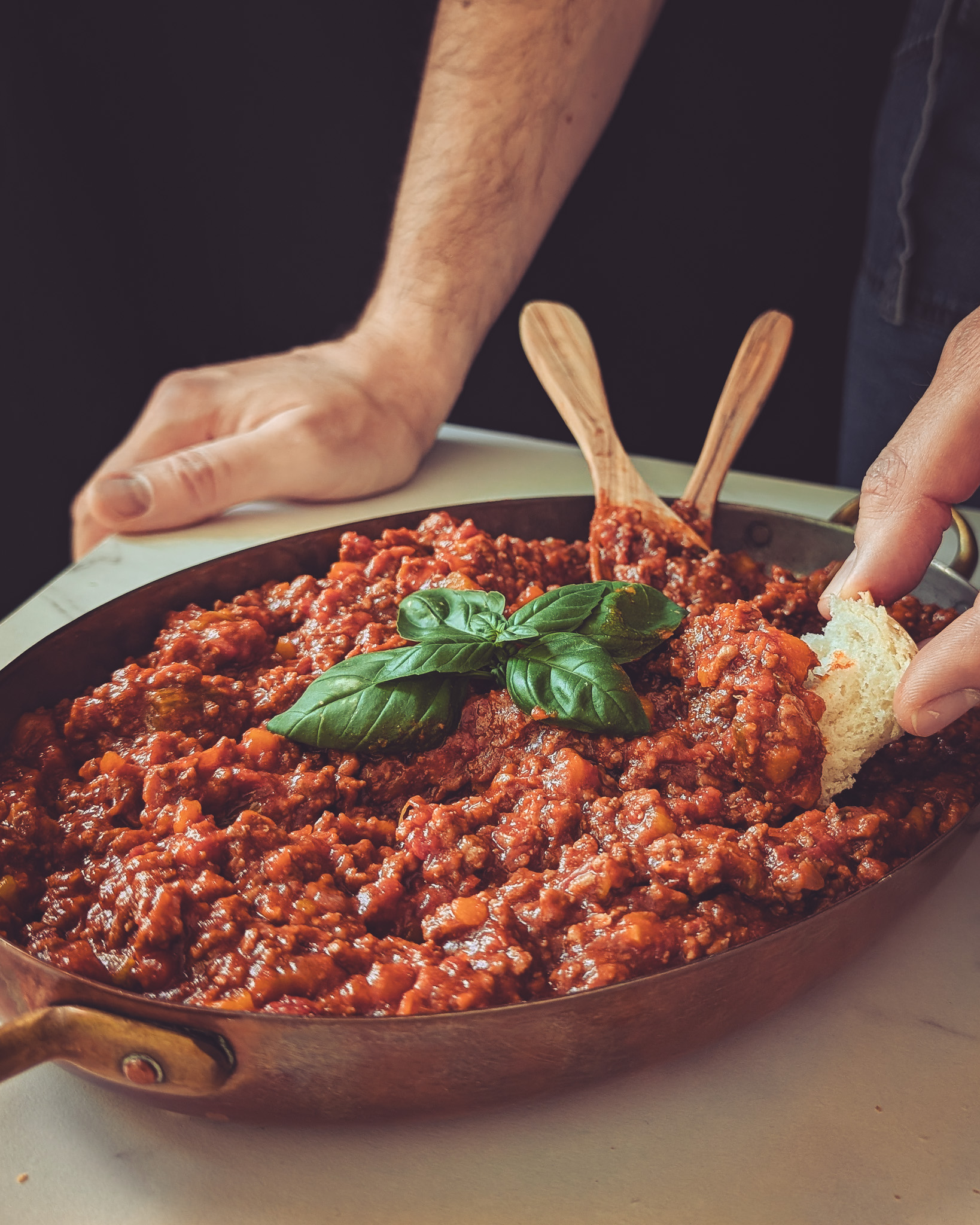
Cook for at least 1½ hours, and up to 3 hours, stirring every 20 to 30 minutes. The ragù is ready when the watery part of the sauce has cooked away and you are left with a thick, rich and meaty sauce.
Taste it as it cooks. With every stir, you will notice how the flavour develops and deepens as the ragù slowly reduces.
While the ragù cooks, make the gnocchi.
Make the gnocchi
6. Cook the potatoes
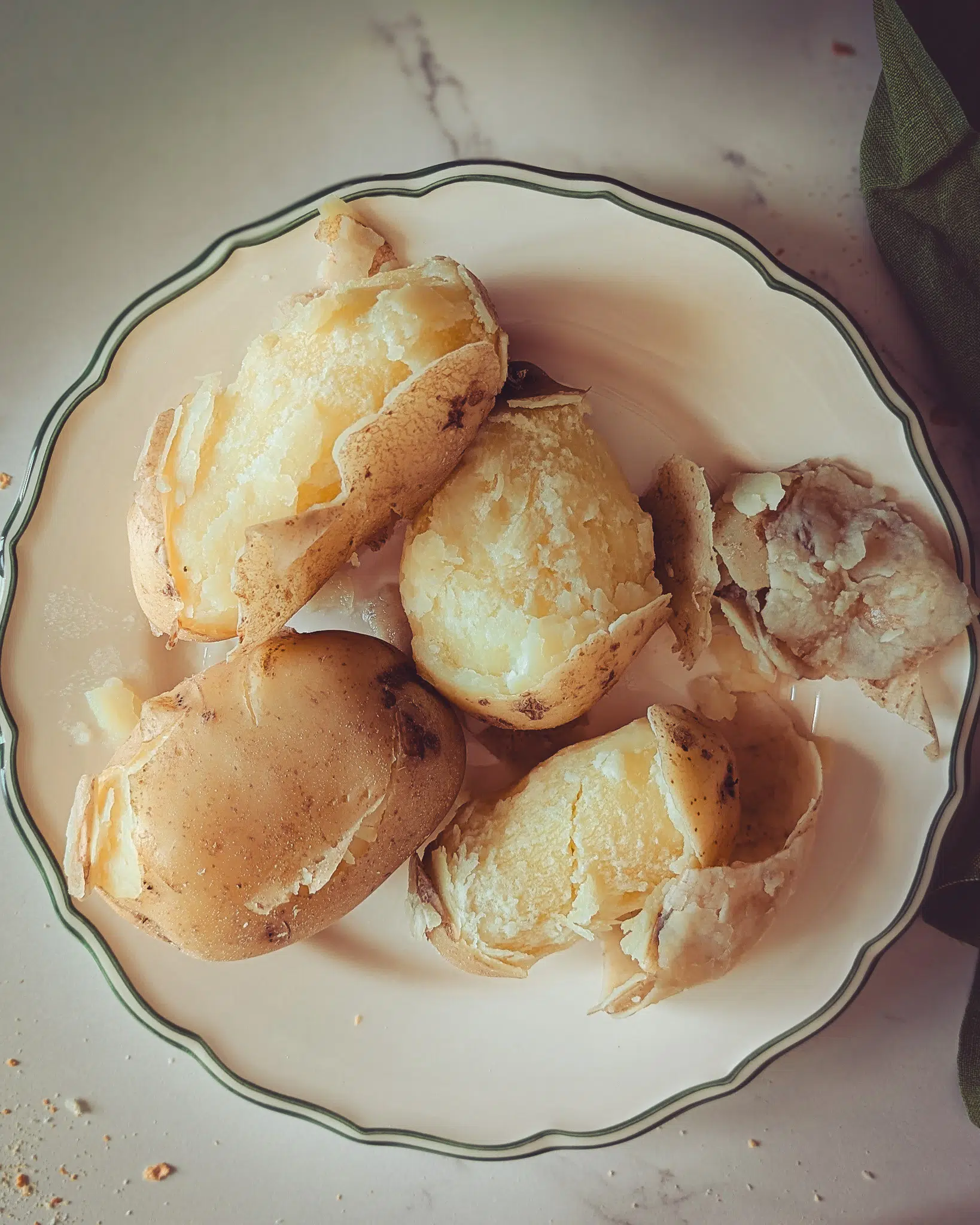
Start with about 750 to 800g raw floury potatoes, around 4 medium potatoes, left unpeeled. Place them in a large saucepan of water and boil until completely tender, about 35 to 45 minutes, depending on their size.
Drain the potatoes, peel them while still warm and mash them, or pass them through a potato ricer or fine sieve. Weigh out 600g of mashed potato for the recipe.
7. Make the dough
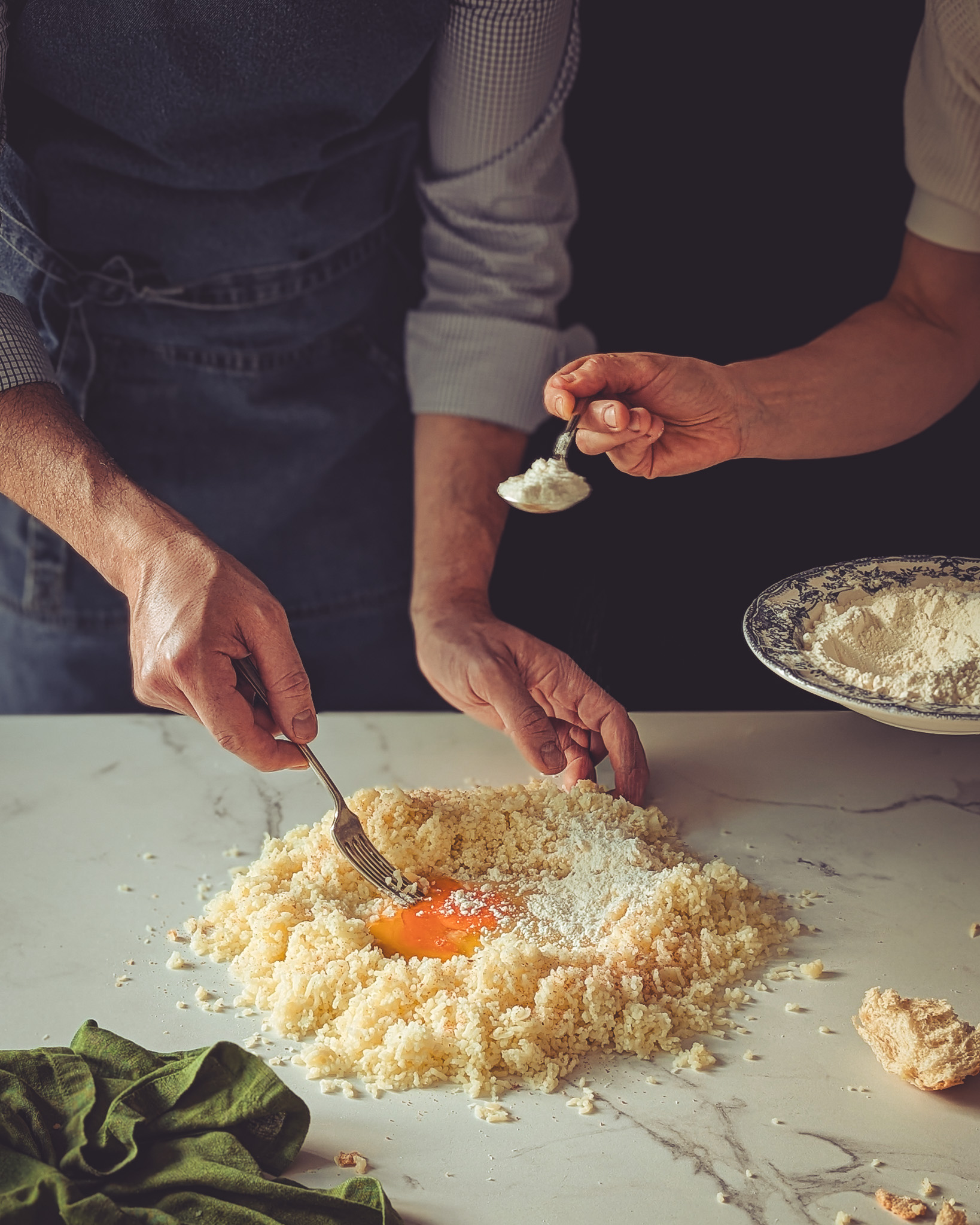
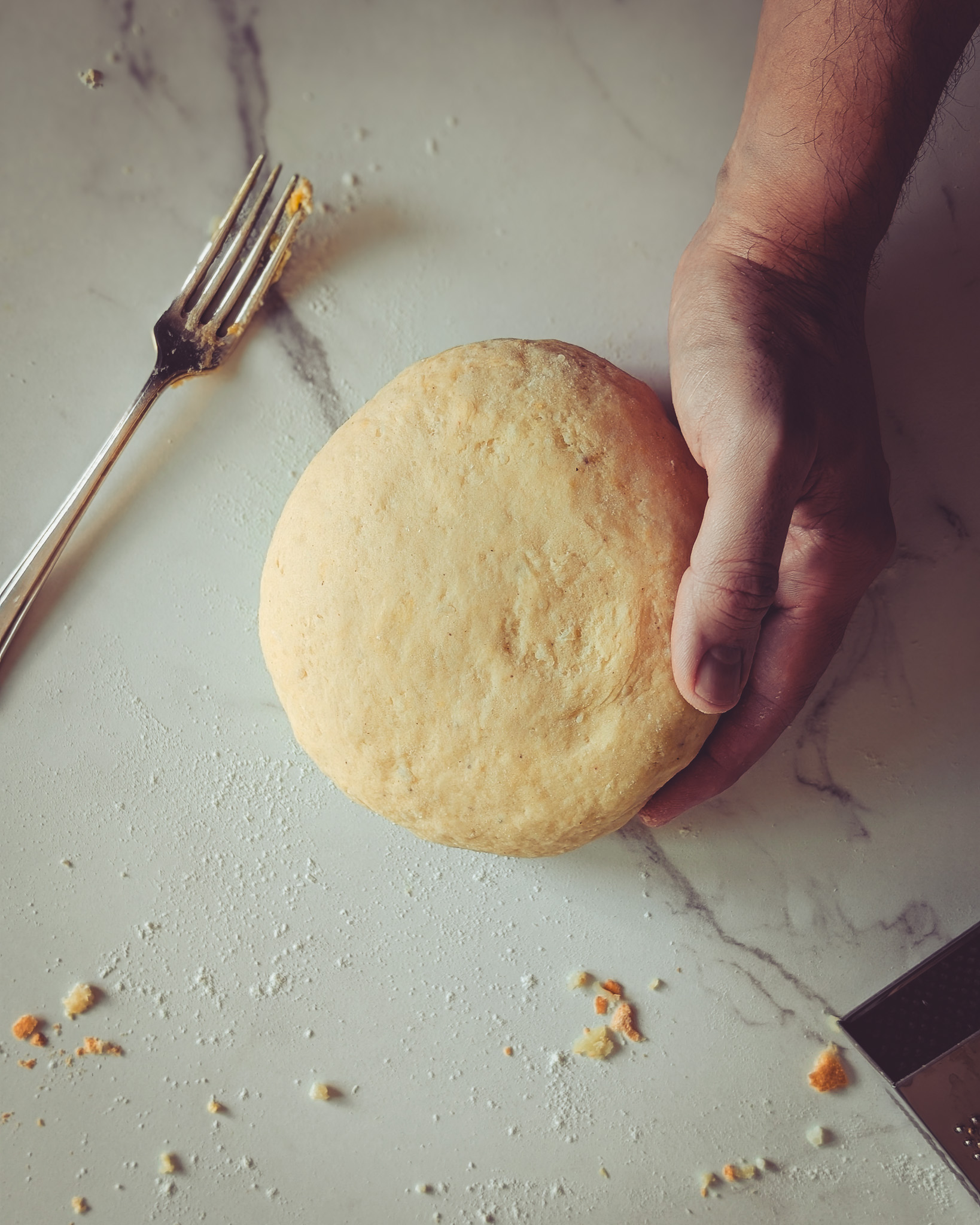
Spread the warm mashed potato over a clean work surface. They should be warm but easy to touch and handle. Sprinkle over the flour, nutmeg and salt, then make a well in the centre. Crack the eggs into the well and gently bring everything together with your hands, working just until you have a soft dough.
Avoid overworking the dough. If it feels sticky, add a little more flour, but only as much as you need.
8. Shape the gnocchi
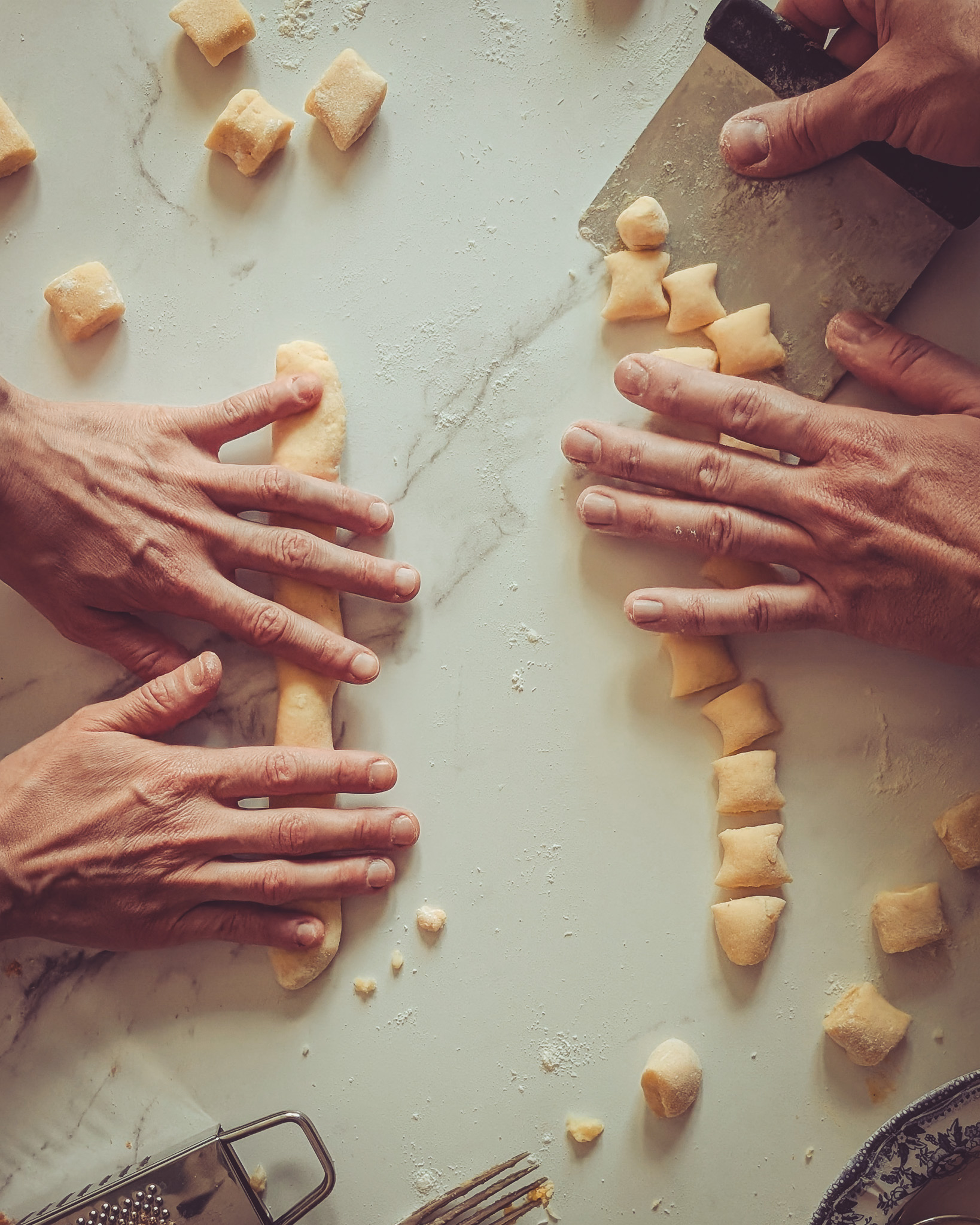
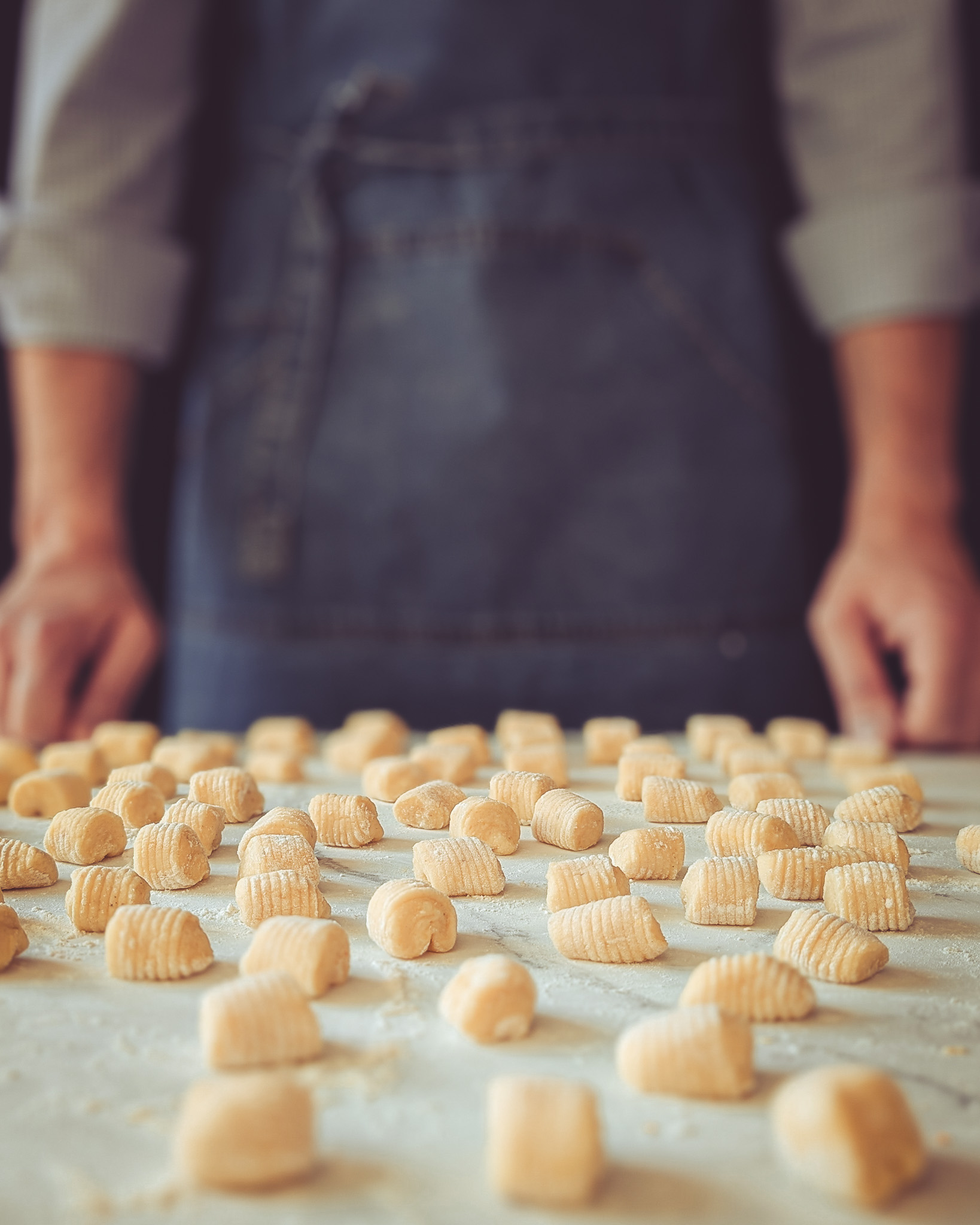
Divide the dough into six portions. Roll each portion into a long rope about 2cm thick, then cut into pieces about 2cm long. If you like, roll each piece gently over a fork to create ridges that will hold onto the ragù (or on a gnocchi paddle, if you own one)
Arrange the gnocchi on a lightly floured tray and cover with a clean tea towel until you are ready to cook them.
9. Cook the gnocchi
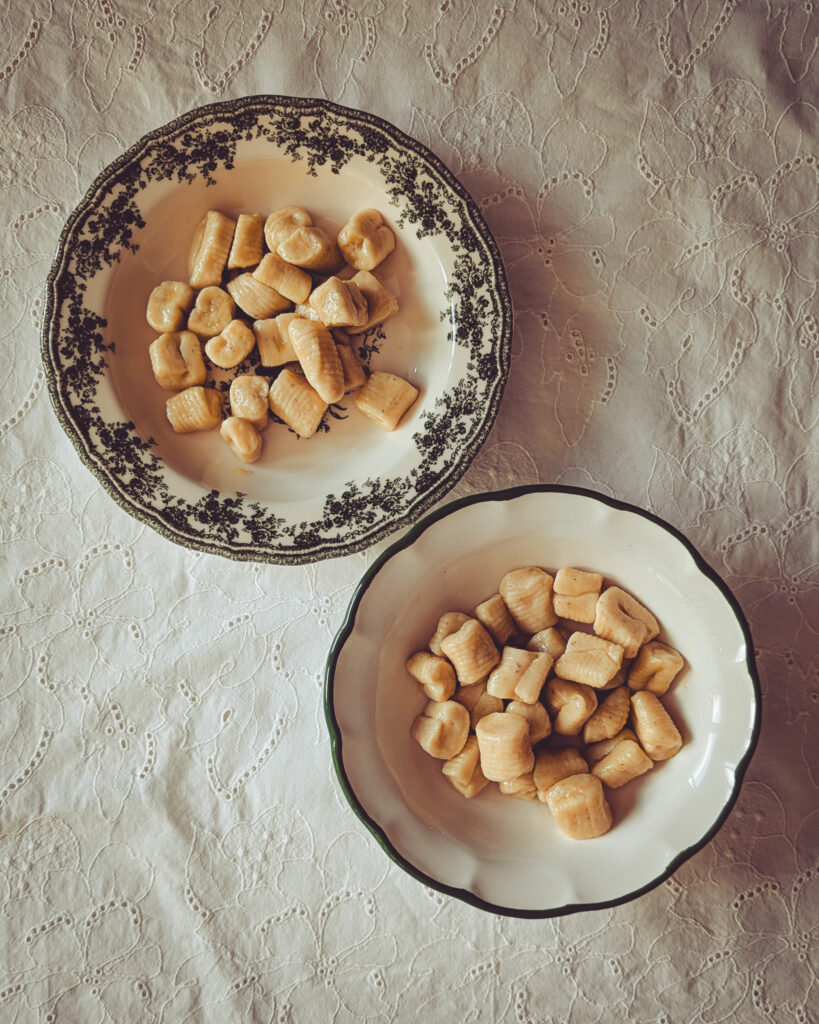
Bring a large pot of water to a gentle boil and salt it well. Cook the gnocchi in batches, being careful not to overcrowd the pot. As soon as they rise to the surface and float they are ready, which should take about 2 minutes.
Lift them out with a slotted spoon and transfer them to a large bowl. If you are cooking the gnocchi in several batches, add a small drizzle of vegetable oil and gently toss them so they do not stick together while you finish cooking the rest.
10. Bring everything together
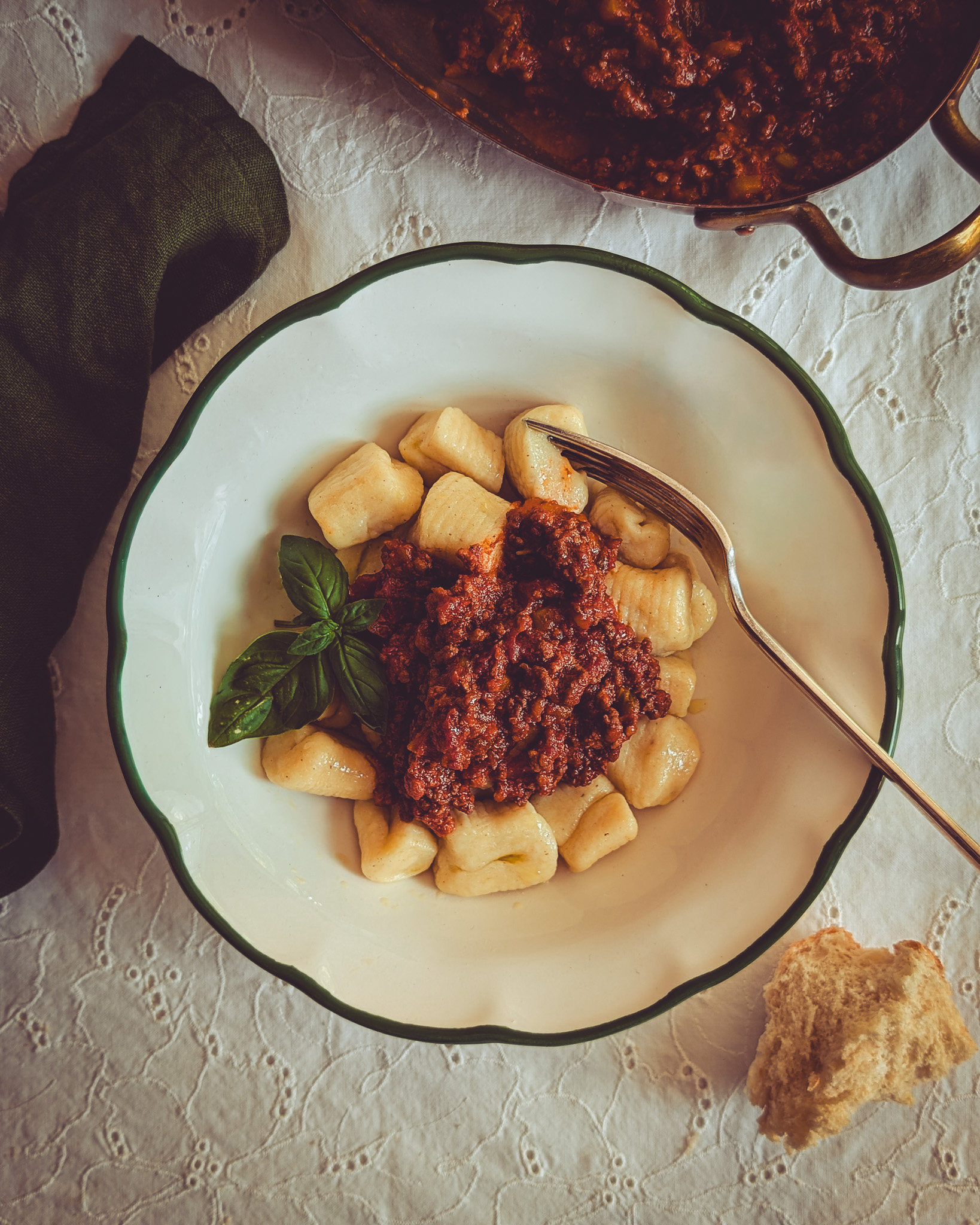
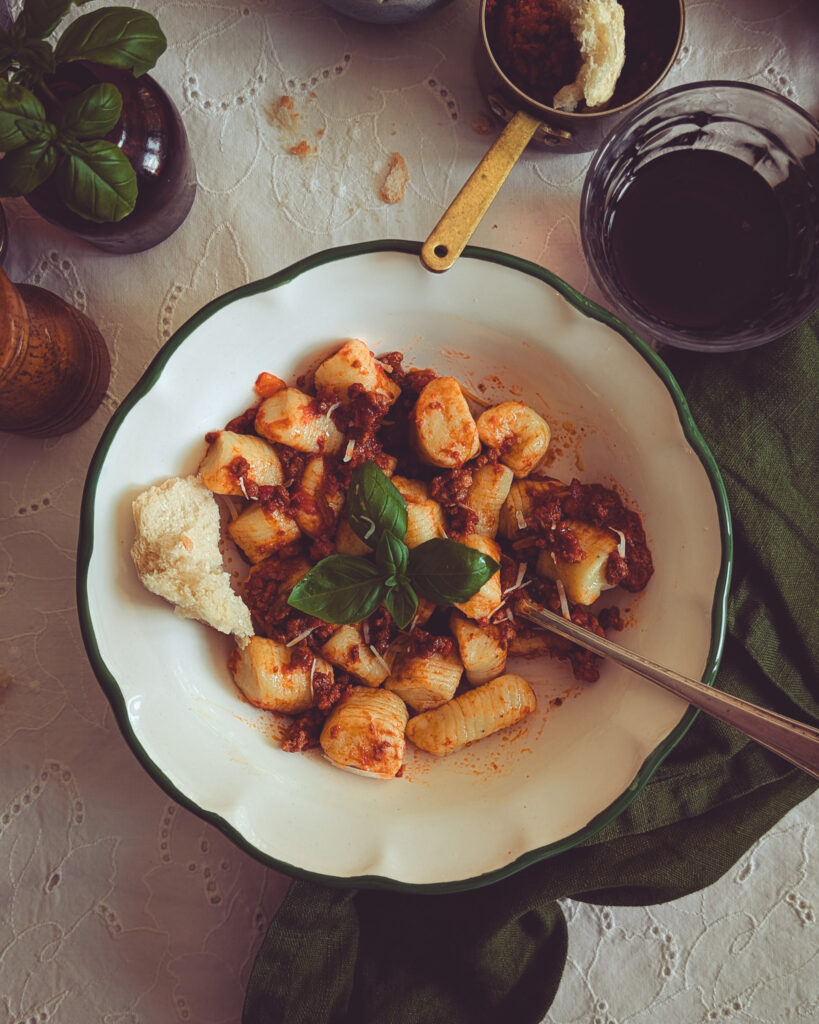
Once all the gnocchi are cooked, divide them between serving bowls and spoon over a generous amount of ragù. Finish with a drizzle of extra virgin olive oil and plenty of freshly grated Parmigiano Reggiano.
Serve immediately, while the gnocchi are still warm and the ragù is rich and silky.
Share this recipe: