There’s something about a jar of giardiniera – Italian pickled vegetables – that feels like opening the gate to a garden. The colours, the crunch, the sharpness of the brine, all the warm brightness of spring and summer. Every family makes it differently, depending on the season and what’s on hand, which is exactly why we love it. It’s simple, generous, and endlessly adaptable.
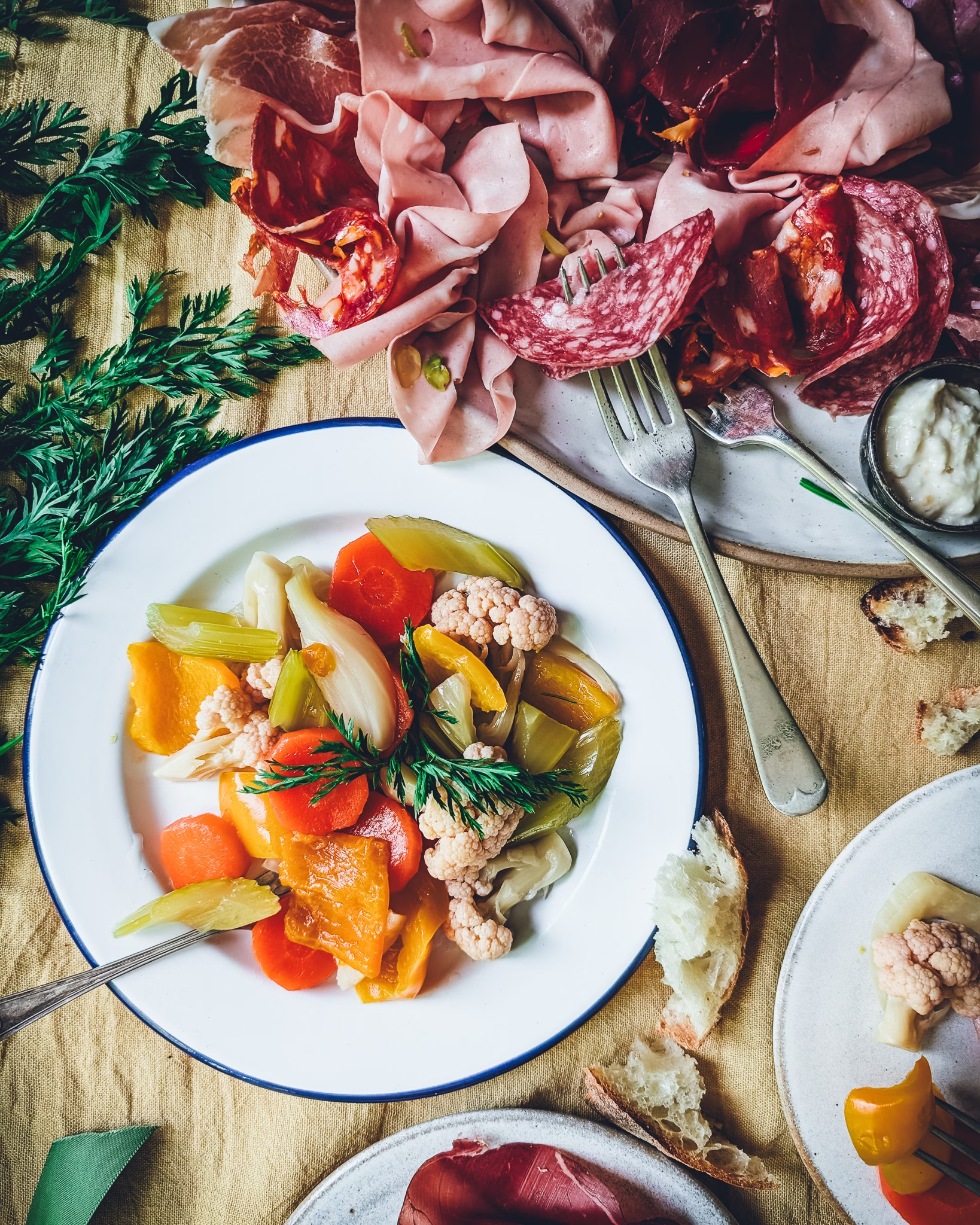
The original giardiniera is a versatile mix of pickled vegetables, usually served as part of an antipasto spread. Crunchy, colourful vegetables that look like a spring garden on the table, it brings freshness to any board of cheeses and salumi. It’s never meant to take over the show; it sits alongside other dishes, and at its heart, it is an ode to vegetables, a way to celebrate them at their peak and preserve their goodness for the rest of the year.
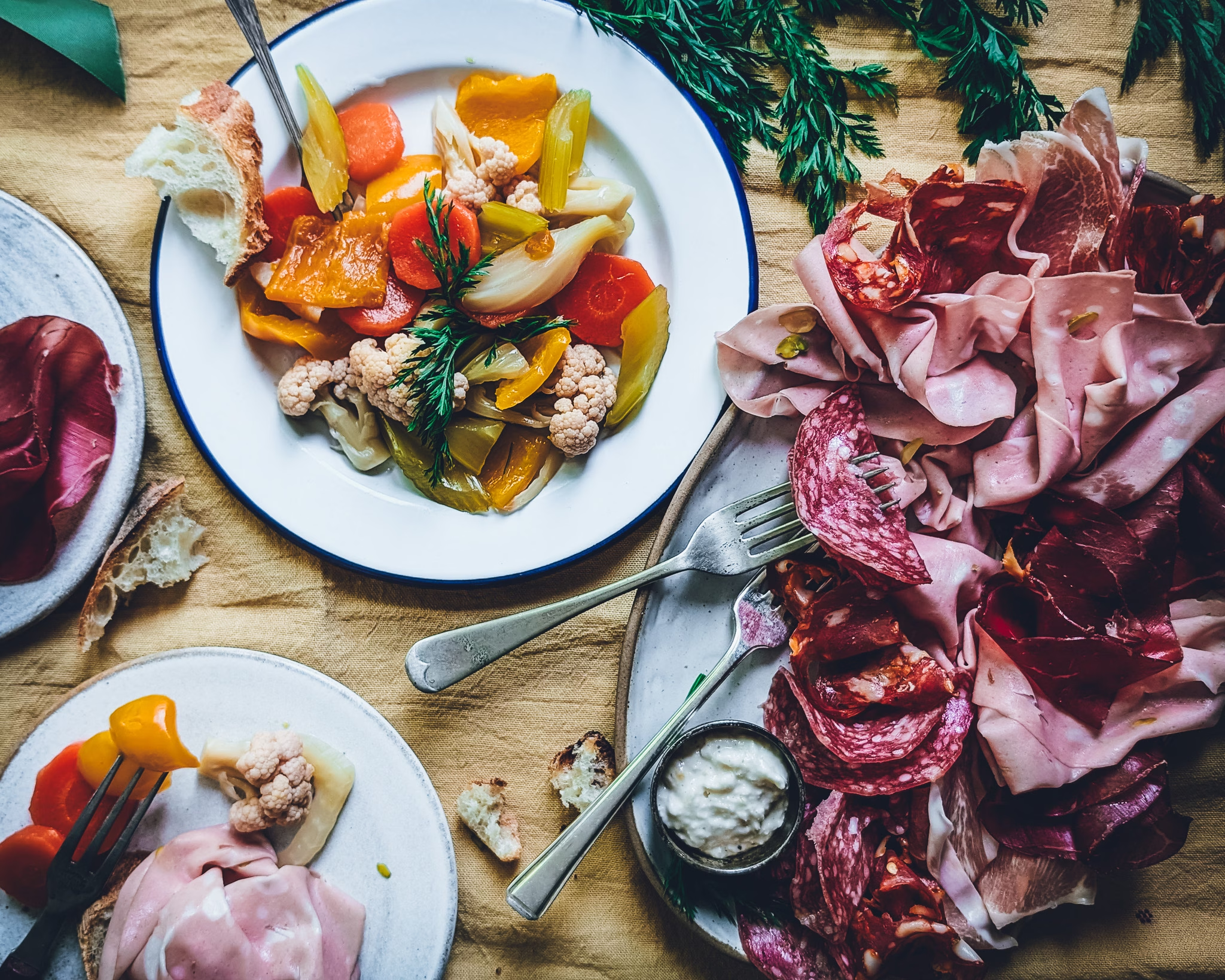
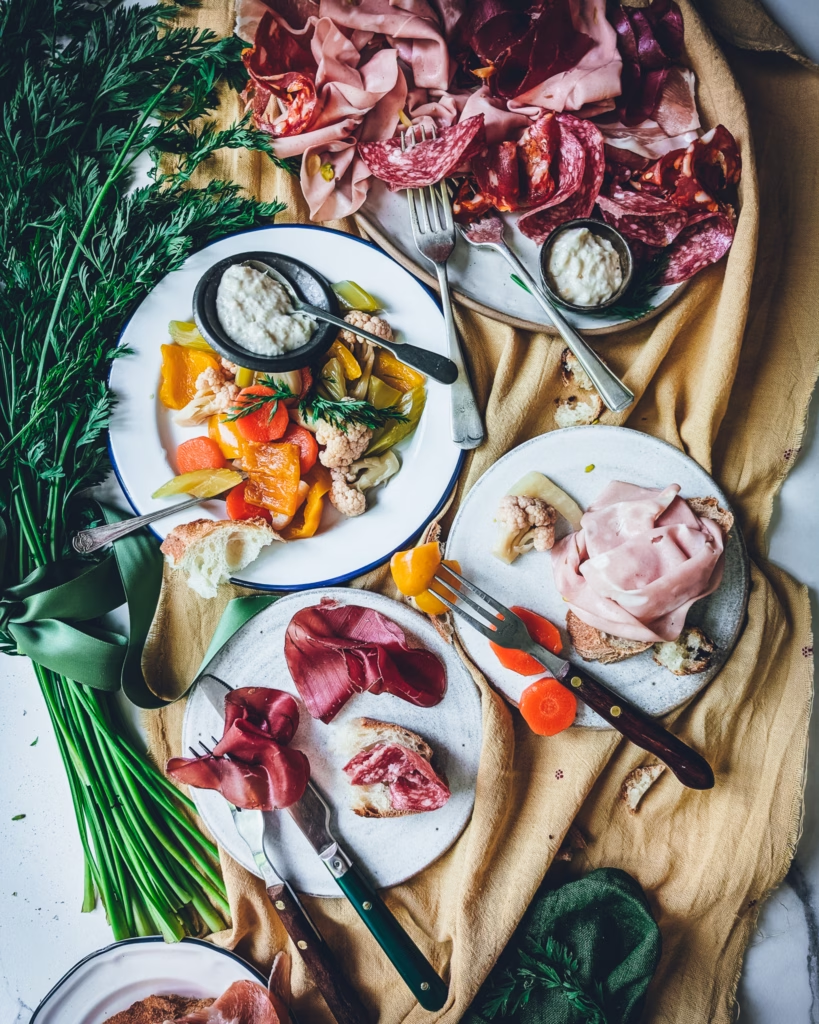
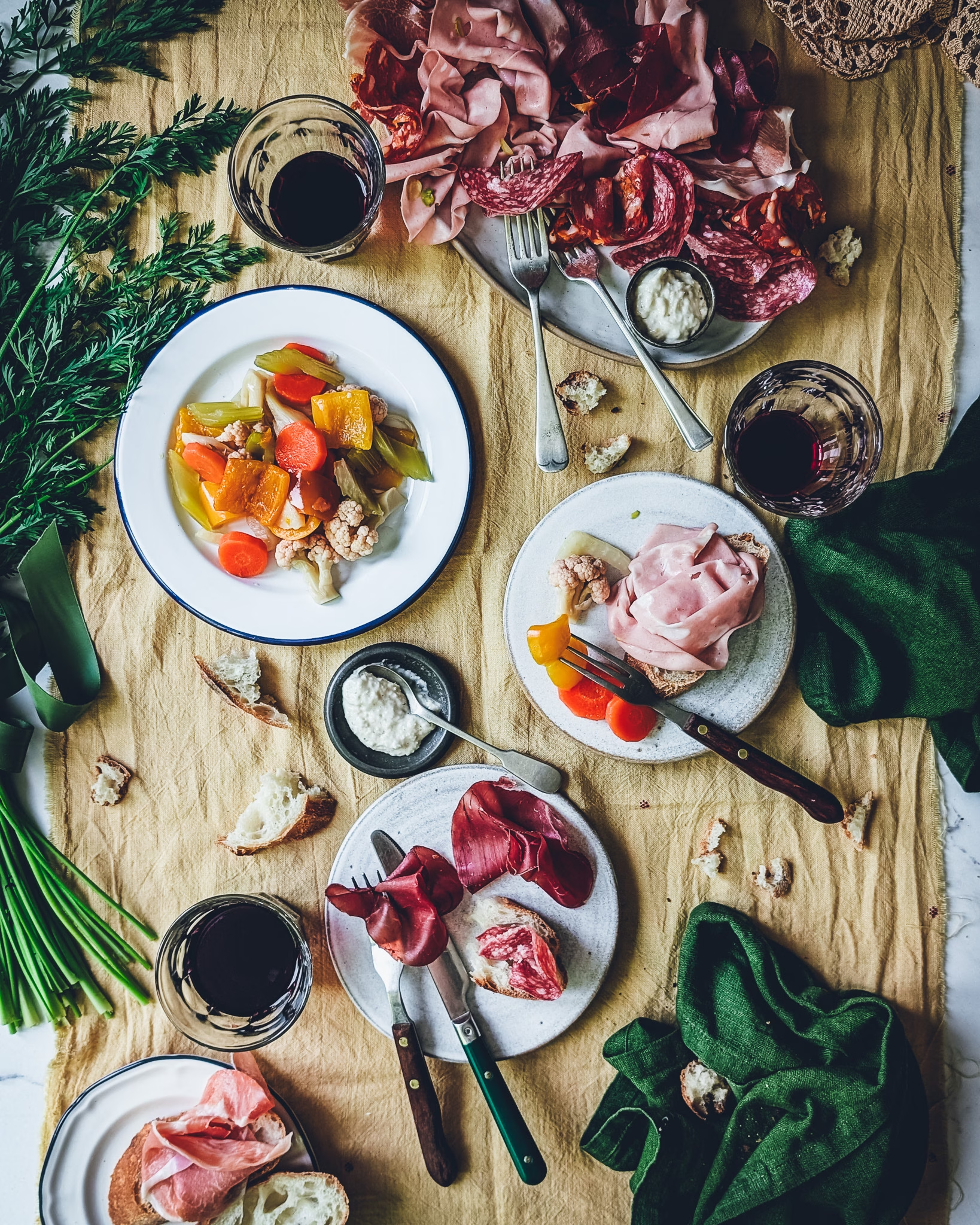
For us, it has always been part of the table. We’ve never seen a family gathering without it, whether it was a mixed giardiniera or bowls of individual vegetables. You’d find it on plates or trays, next to charcuterie, or served with bollito misto at Christmas. It fills the gaps, starts the conversation, and sets the tone for celebration. A glass of something, a few slices of salami or prosciutto, and a forkful of giardiniera. You could be sitting or standing, it doesn’t matter. It’s one of the most convivial things we know.
In our families, everyone had their own version. Agnes’ father’s uncle was known for his vinegary pickled baby onions and spicy green peppers. Fabio’s mum preferred the oilier style, with artichokes, olives, and mushrooms. And Agnes’ father, a famously fussy eater, loved giardiniera in all its forms. He would eat it with everything, or simply on its own, before a meal.
Our version was inspired by all those memories plus a more recent one of a sunny day in Asolo. We stopped at a little osteria without expectations, ordered a meat platter, and found ourselves completely taken by the giardiniera that came with it. The colours, the scent, the perfect balance of acidity and sweetness. One of those meals where everything feels perfect: the light, the place, the surprise of something simple tasting so good. We loved it so much that we went straight to the producer afterwards and bought jars for ourselves and our parents. Even Agnes’ father approved, which says everything.
So, this recipe is our way of recreating that memory. It’s not meant to be definitive. Think of it as a suggestion, a base you can adapt with whatever crunchy vegetables are in season. Spring carrots, summer peppers, autumn cauliflower. Giardiniera changes with the year, and that’s the beauty of it. It tastes like warm months and open windows, but it’s also something you can enjoy all year long.
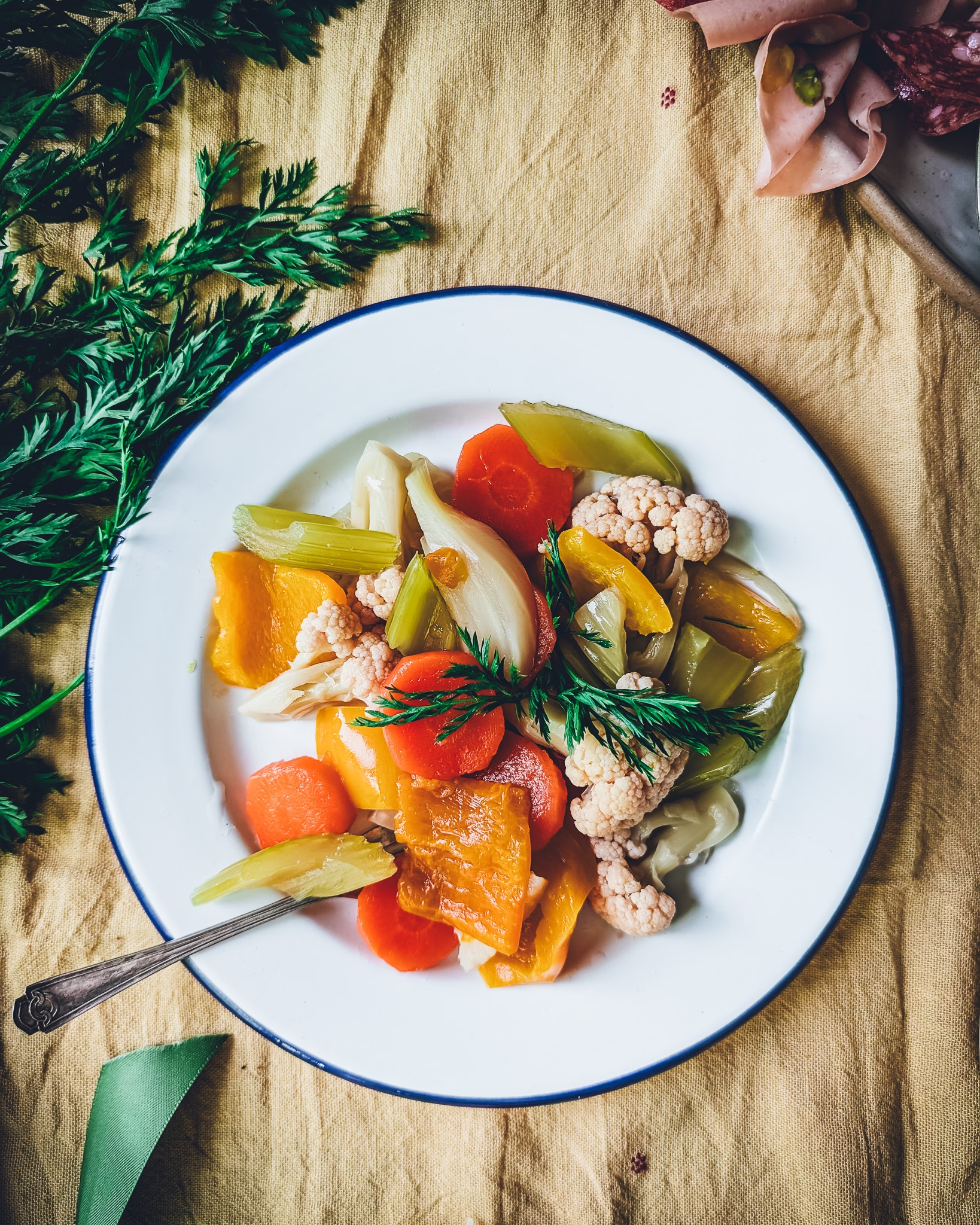
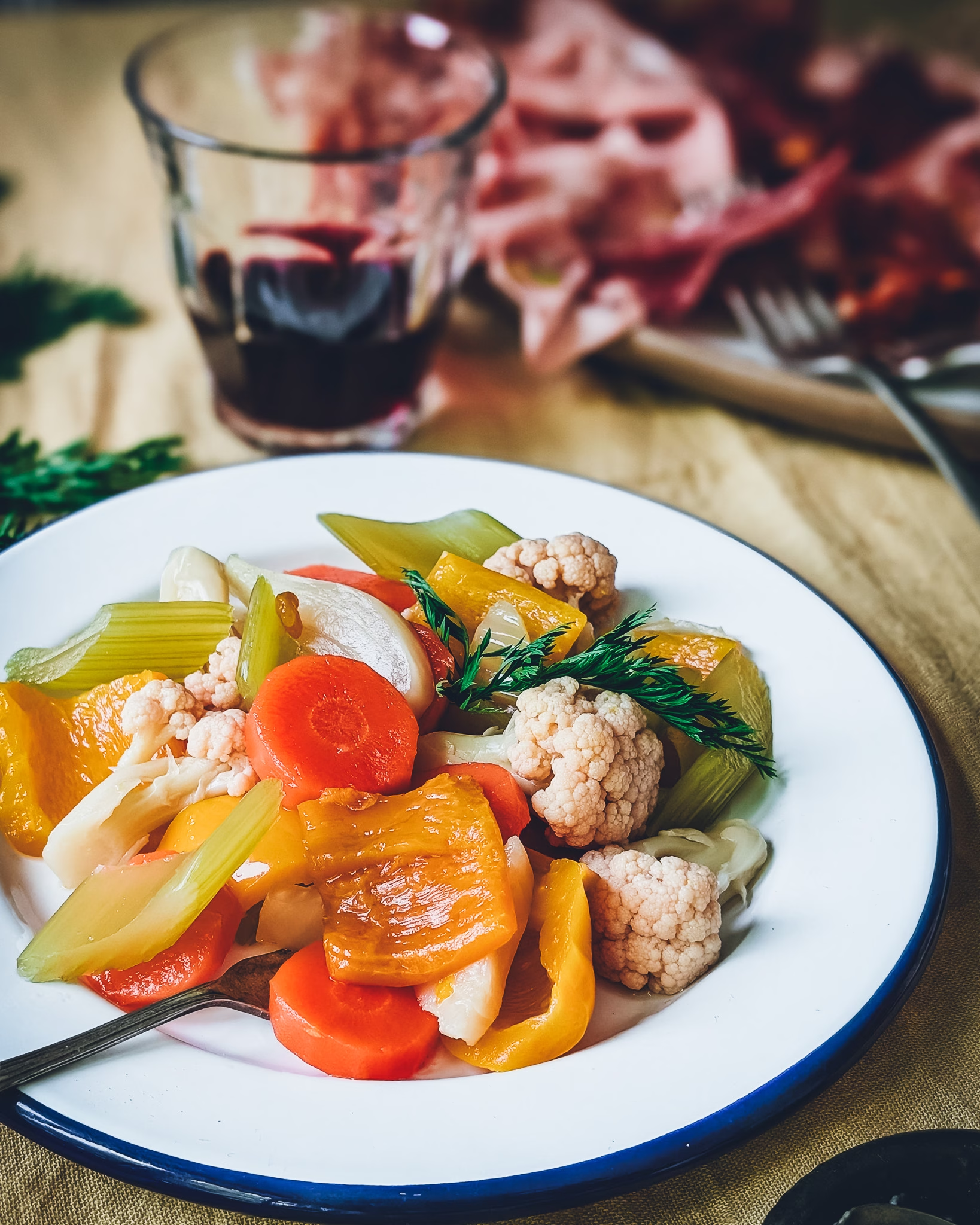
Serve it with charcuterie, with cheese, with aperitivo, or simply as a bright, crunchy side. It brings colour, freshness, and a little bit of celebration to the table. Just as it always has.
Notes from our Venetian kithen
Choosing your vegetables
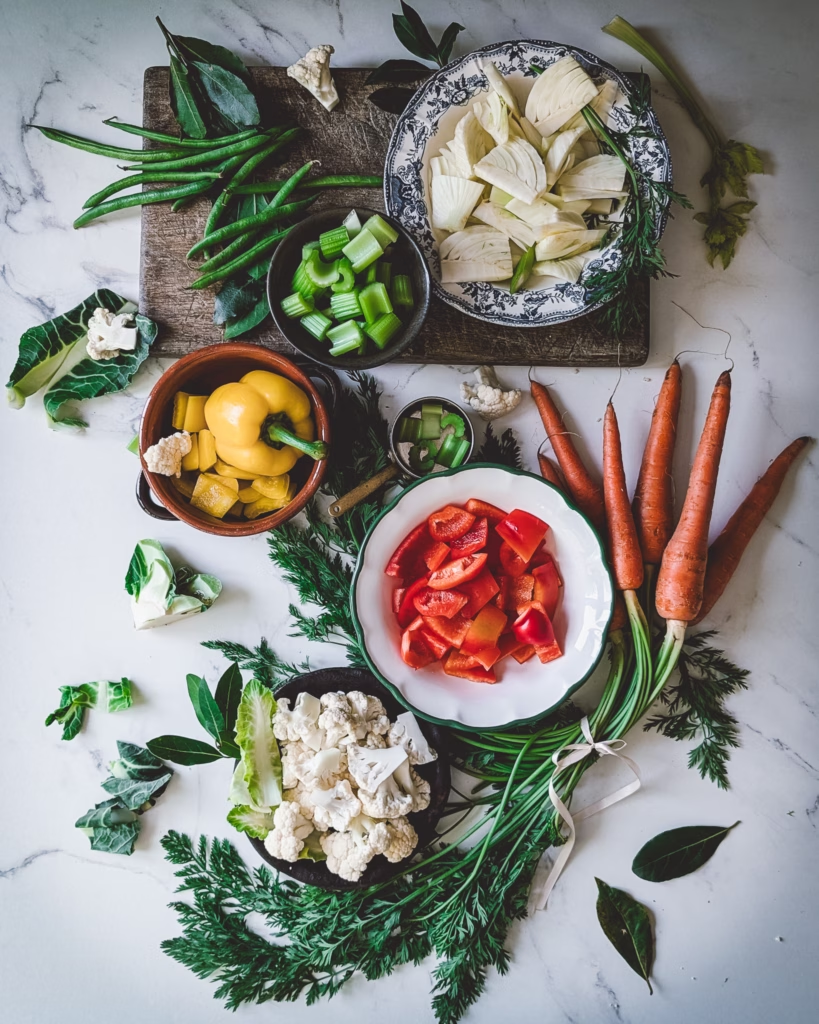
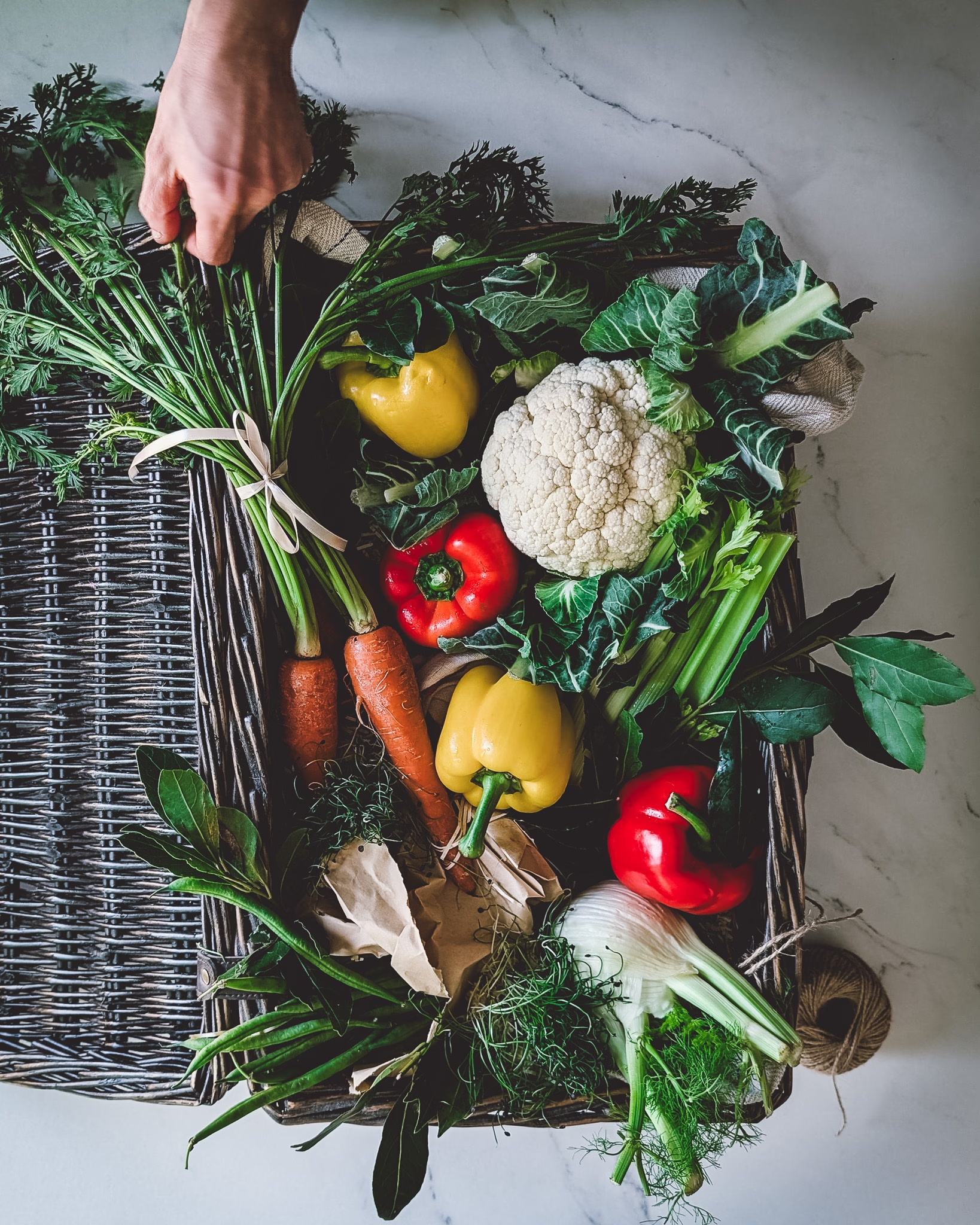
We use carrots, cauliflower, red peppers, fennel, celery, green beans, and sometimes turnips — but feel free to adapt with whatever's at its peak. Spring brings tender carrots and young onions; summer calls for courgettes; autumn is perfect for cauliflower and root vegetables. Choose vegetables that are firm and fresh, and cut them to roughly the same size so they cook evenly and look balanced in the jar.
Keeping the crunch
This is where timing matters. Each vegetable has its own rhythm. Harder vegetables like carrots and cauliflower need longer in the pickling liquor; delicate ones like peppers, need just a couple of minutes. Don't rush this step. The vegetables will soften slightly as they pickle, so aim for them to still have real resistance when they go into the jar.
The timings are a guide
We've given you the cooking times that work for us, and they should work for you too - but every stovetop is different, every vegetable slightly different. The first time you make this, follow the timings as a baseline. The second time, adjust based on how you like it. Do you want more crunch? Reduce the time by thirty seconds. Prefer it softer? Add a moment longer. This is where practice teaches you more than any recipe can. By the third jar, you'll instinctively know what your vegetables need.
Adjust the acitdity
Taste as you make your brine. If it feels too sharp, add a touch more sugar or water. If it's too mild, a splash more vinegar will brighten it. Everyone's palate is different - Agnes' father would have wanted it vinegary; Fabio's mother preferred it softer and sweeter. This is your kitchen, so make it yours. You can always adjust when you open a jar months later too; a little extra vinegar or oil stirred through changes everything.
Seasonality
Make giardiniera in summer when the market overflows, but don't feel bound by it. Winter peppers work just as well as summer ones. Autumn cauliflower is actually wonderful. The vegetables change, the technique stays the same. Some years you might add chilli. Other times, a sprig of fresh dill or tarragon. The base is solid, the variations are endless.
Preserving
We always suggest sterilising your jars in a boiling water bath for 15 minutes before filling them with both piping vegetables and hot pickling liquor. Not only does this lock in that bright, peak-summer colour, but it also creates a proper vacuum seal that makes your giardiniera completely shelf-stable. Unopened, your jars will keep beautifully in a cool, dark pantry for at least 6 months. It is the ultimate gift to your future winter self. Once opened move the jar to the fridge, where it will stay crisp and delicious for up to a month.
Giardiniera – Italian pickled vegetables
Makes 2 medium (500ml) + 2 small (250ml) mason jars
- 2 kg mixed vegetables, washed and trimmed/peeled if needed (We used carrots, celery, cauliflower, bell peppers, green beans, fennel)
- 1 litre white wine vinegar (pickling vinegar works well if you prefer a milder smell)
- 300 ml white wine (we used Pinot Grigio)
- 700 ml water
- 1 tsp white peppercorns
- 3 fresh bay leaves
- 8 cloves
- 100 g fine sea salt
- 100 g caster sugar
Directions
1. Sterilise your jars and lids
Place your jars in a large saucepan (or work in batches). Cover them with cold water, put the lid on, and bring to a boil over medium heat. Once boiling, remove the lid and let them simmer on medium‑low for 15 minutes.
Lift out the jars and lids and place them on a board or wire rack. Let them steam‑dry and cool. When cooled, wipe away any limescale residue with a clean, dry cloth.
2. Prep your vegetables
One of the joys of giardiniera is the mix of shapes and colours. We cut:
- carrots into 1 cm rounds
- celery into lozenges
- cauliflower into small florets
- peppers into squares
- fennel into slices
You can use small cutters if you want something playful. The main rule: pieces should be roughly 4–5 cm wide so they fit snugly in the jars and cook evenly.
3. Make your pickling liquor
Add all the remaining ingredients to a medium saucepan. Bring to a boil over medium heat, stirring to dissolve the salt and sugar. Once it reaches a rolling boil, you can begin cooking the vegetables.
4. Cook your vegetables
Some people like their giardiniera crunchy (like us!), others prefer it softer. This step decides the texture, so take your time.
If it’s your first time making it, we suggest testing one piece of each vegetable to find your preferred cooking time.
Cook the vegetables in batches in the boiling liquor. Lift each batch out with a slotted spoon and set aside. Make sure the liquor returns to a rolling boil before adding the next batch.
Our cooking times were:
- Carrots: 4 minutes
- Celery: 4 minutes
- Green beans: 4 minutes
- Fennel: 3 minutes
- Cauliflower: 3 minutes
- Peppers: 2½ minutes
5. Pot your vegetables
When all the vegetables are cooked, bring the liquor back to a rolling boil. Add all the vegetables back into the pot, turn off the heat, and let them warm through.
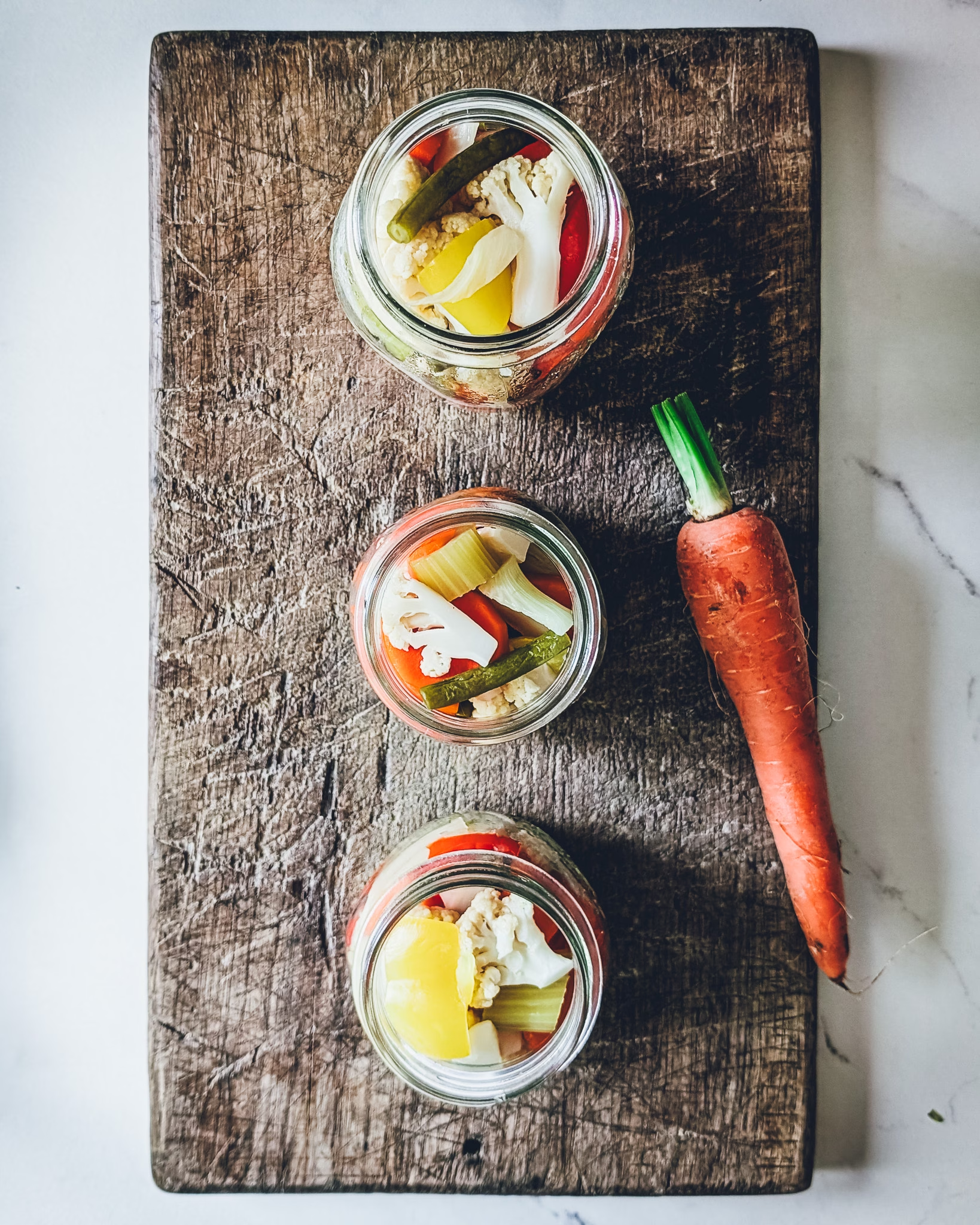
Using a slotted spoon, divide the vegetables between the jars, pressing them down gently so you can fit as much as possible.
Bring the liquor back to the boil once more, then pour it into each jar to fully cover the vegetables, leaving about ½ cm of space from the rim.
6. Seal and store your giardiniera
Wipe the rims of the jars to make sure they’re clean. Check that all the vegetables are covered by the pickling liquor.
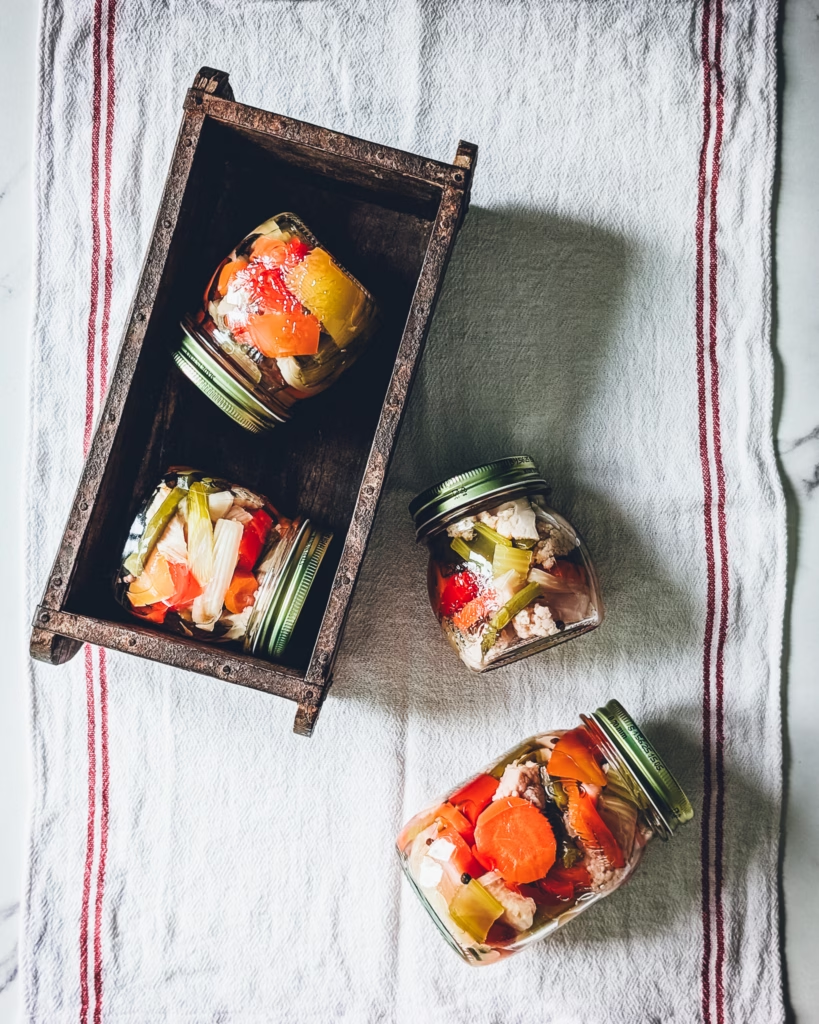
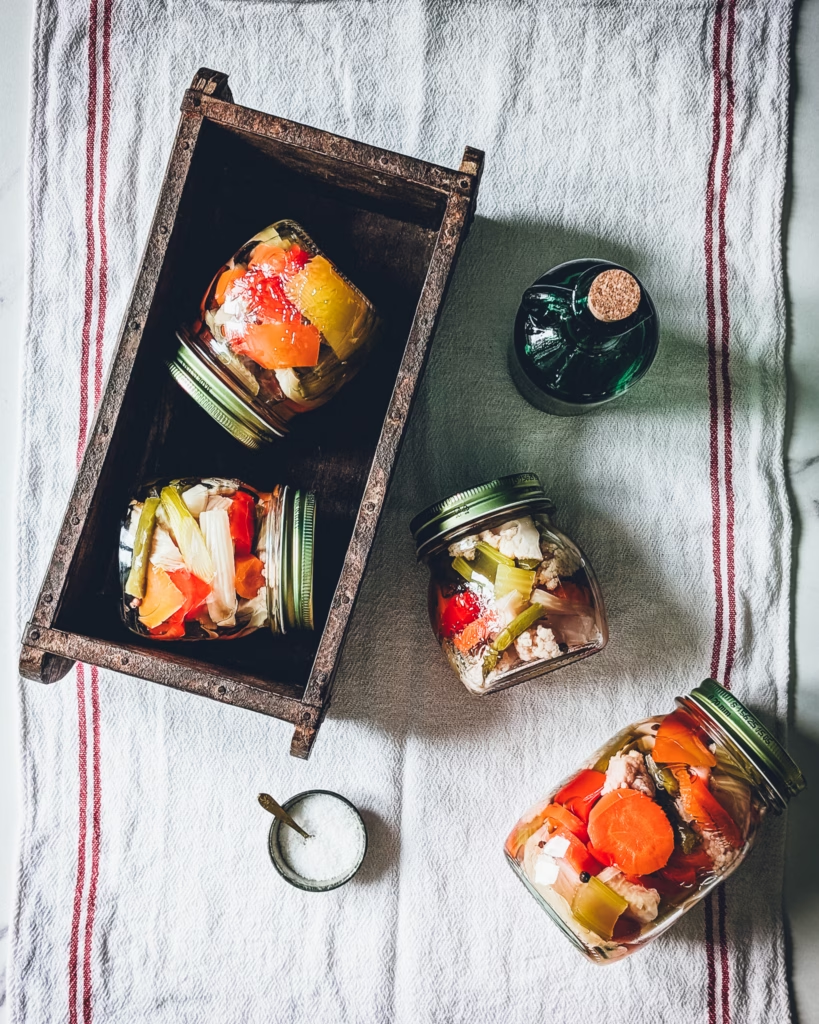
Screw on the lids tightly. Flip the jars upside down (careful, they’re hot) and leave them to cool completely. Once cooled, turn them upright and tap the lid. If the lid clicks and stays down, you’ve achieved a vacuum seal and can store your giardiniera in a cool, dry place.
We recommend waiting at least 3 weeks before opening, the flavours keep developing. It keeps comfortably for at least 6 months in a cupboard. Once opened, refrigerate and consume within 1 month.
Share this recipe:
Other recipes you may like