
There’s a summer recipe that both of our families have been making for as long as we can remember. One that tastes like summer, smells like a pizzeria, and somehow manages to be both simple and utterly comforting. It’s the kind of dish our mothers made when they had an abundance of tomatoes and wanted to turn them into something unforgettable.
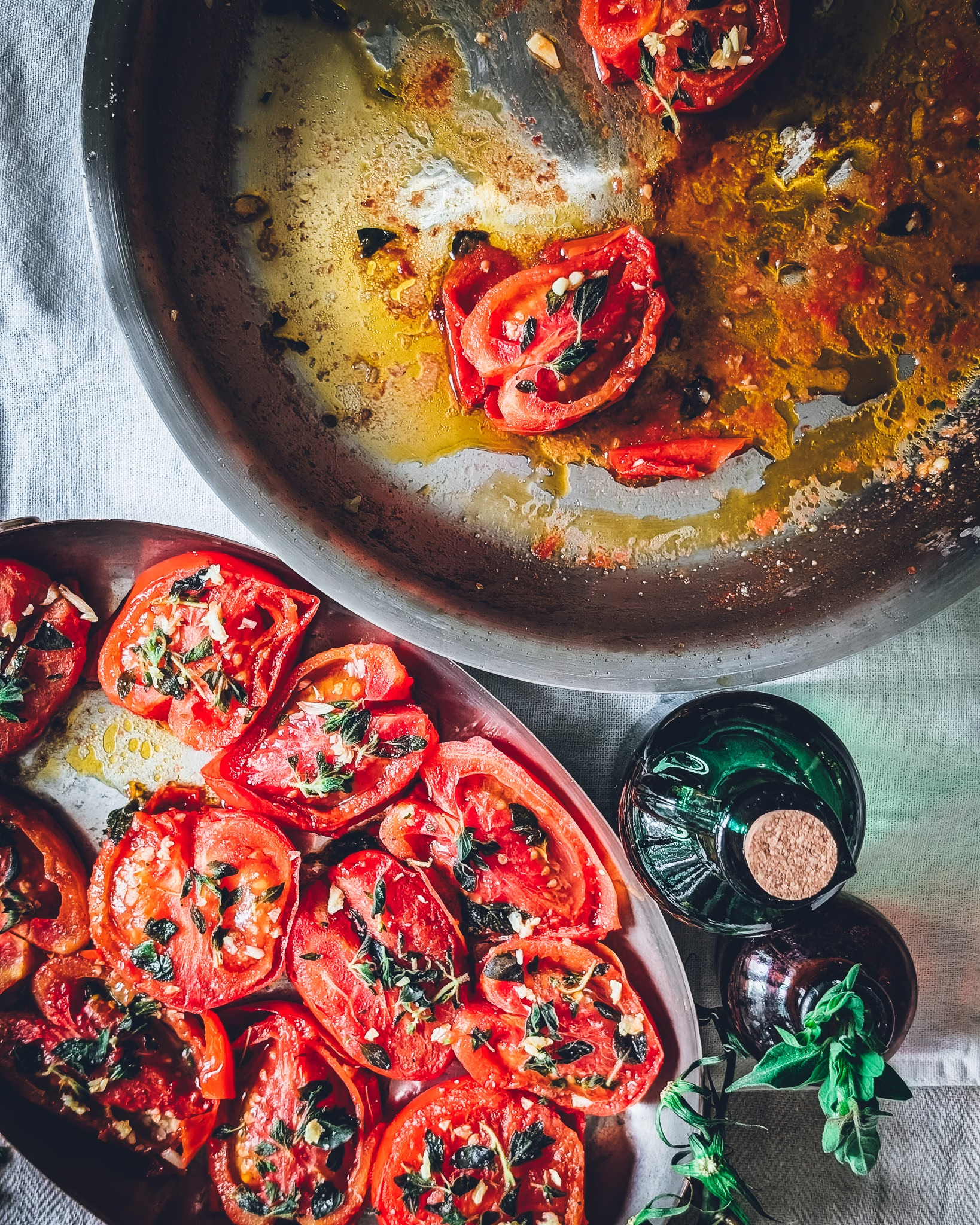
For Agnes, those tomatoes came from her parents’ vegetable garden. Summer would arrive in a riot of red, so many tomatoes that her mum and dad would spend hours bottling sauce for the year ahead. But there were always more. And so, with the overflow, Agnes’s mum would do something almost magical: she’d cut the tomatoes in half, throw them into the pan with garlic and fresh herbs, and let them collapse into something that filled the kitchen with that unmistakable smell — the one that makes you think of pizzerias and Italian summer, all without being pizza at all.
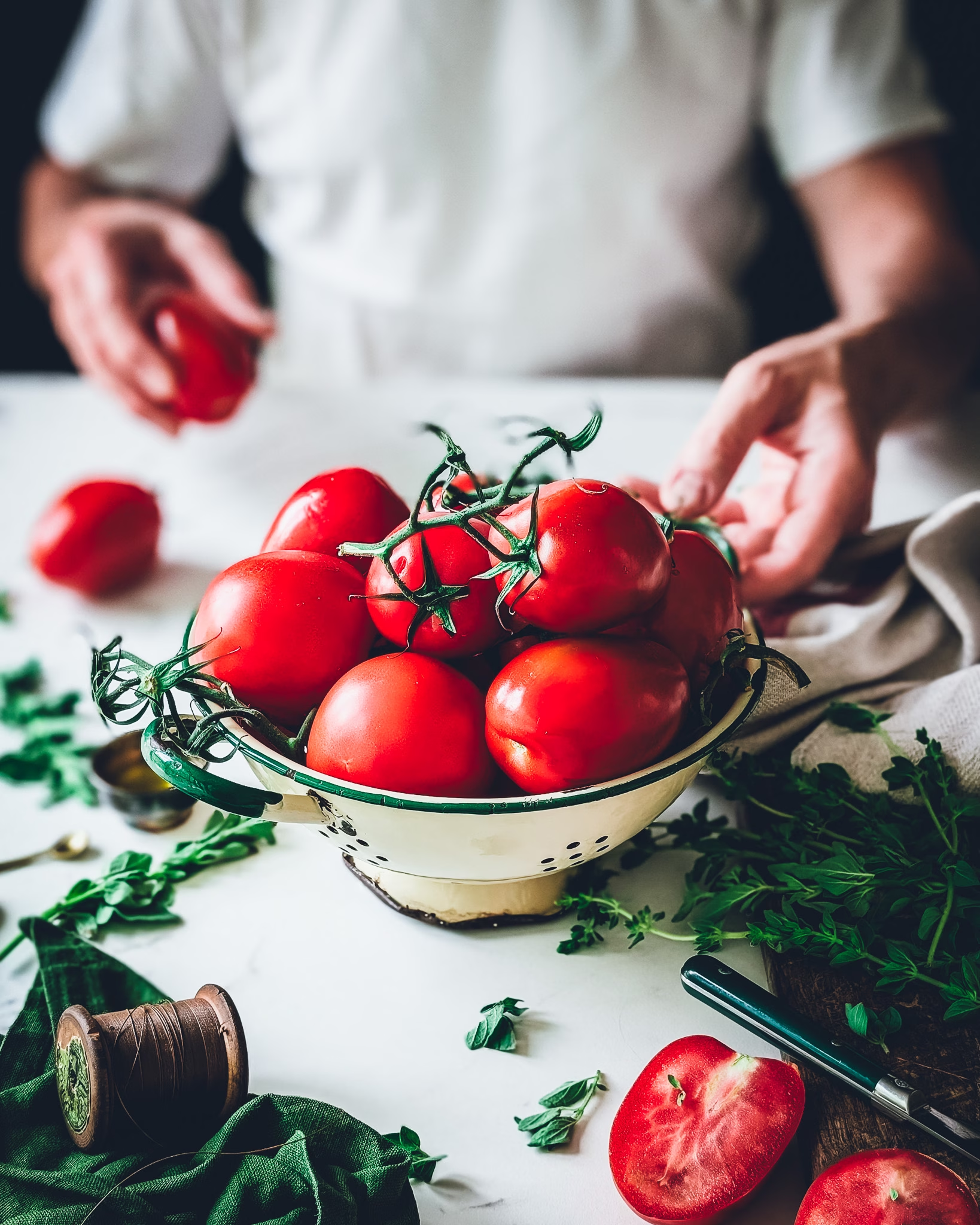
For Fabio’s mum, it was different. There was no vegetable garden, but there was something just as important: a trusted market stall, a vendor she knew well, and an almost sacred pickiness about tomatoes. She would study them — the colour, the smell, the size — the way a sommelier studies wine. When she found the right ones, she’d bring them home and make them the same way.
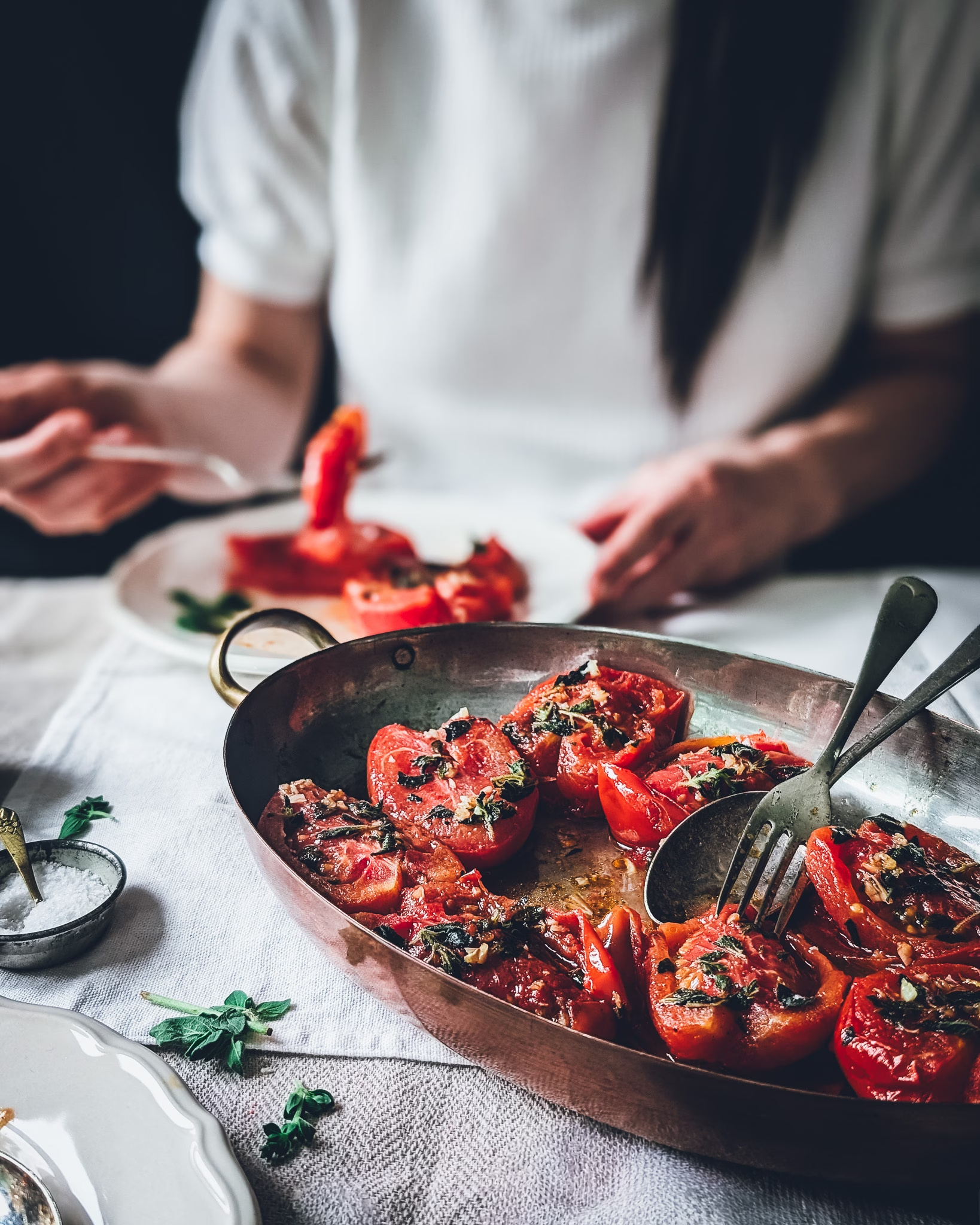
What connected both our mothers wasn’t how they sourced their tomatoes, but why they cared so much about them. And how they treated them once they had them.
Now we make this together, and it remains one of our favourite ways to eat tomatoes when they’re at their best. And maybe that’s the part we love most about this recipe: it’s proof that the simplest things can feel like a treat. In a world that often pushes us toward complicated cooking, this dish reminds us that a handful of good tomatoes, a pan, and a little patience can become something truly special. It’s the kind of simplicity we treasure — and sharing it with you feels just as special.
Notes from our Venetian kitchen
With only a handful of elements (tomatoes, garlic, oil, and fresh herbs) there’s nowhere to hide. This isn’t a dish that comes together through technique or complexity. It comes together because every single ingredient matters, and because they’re good.
There’s a reason our mothers both made this in summer. It wasn’t just about when tomatoes were available, it was about when they were worth eating this way. A winter tomato, no matter how carefully you treat it, won’t give you what a summer tomato can. And that’s not a failing of winter tomatoes; it’s just the truth of seasons.
This dish is an argument for eating seasonally, for waiting for the moment when things are at their peak, for honouring ingredients by using them only when they deserve to be used. It’s the opposite of the idea that you can make anything, anytime. Instead, it’s about accepting that some dishes belong to some seasons, and that’s what makes them special.
When you make this, you’re not just cooking. You’re marking summer. You’re saying: this is the moment, and we’re tasting it while it lasts.
On the herbs
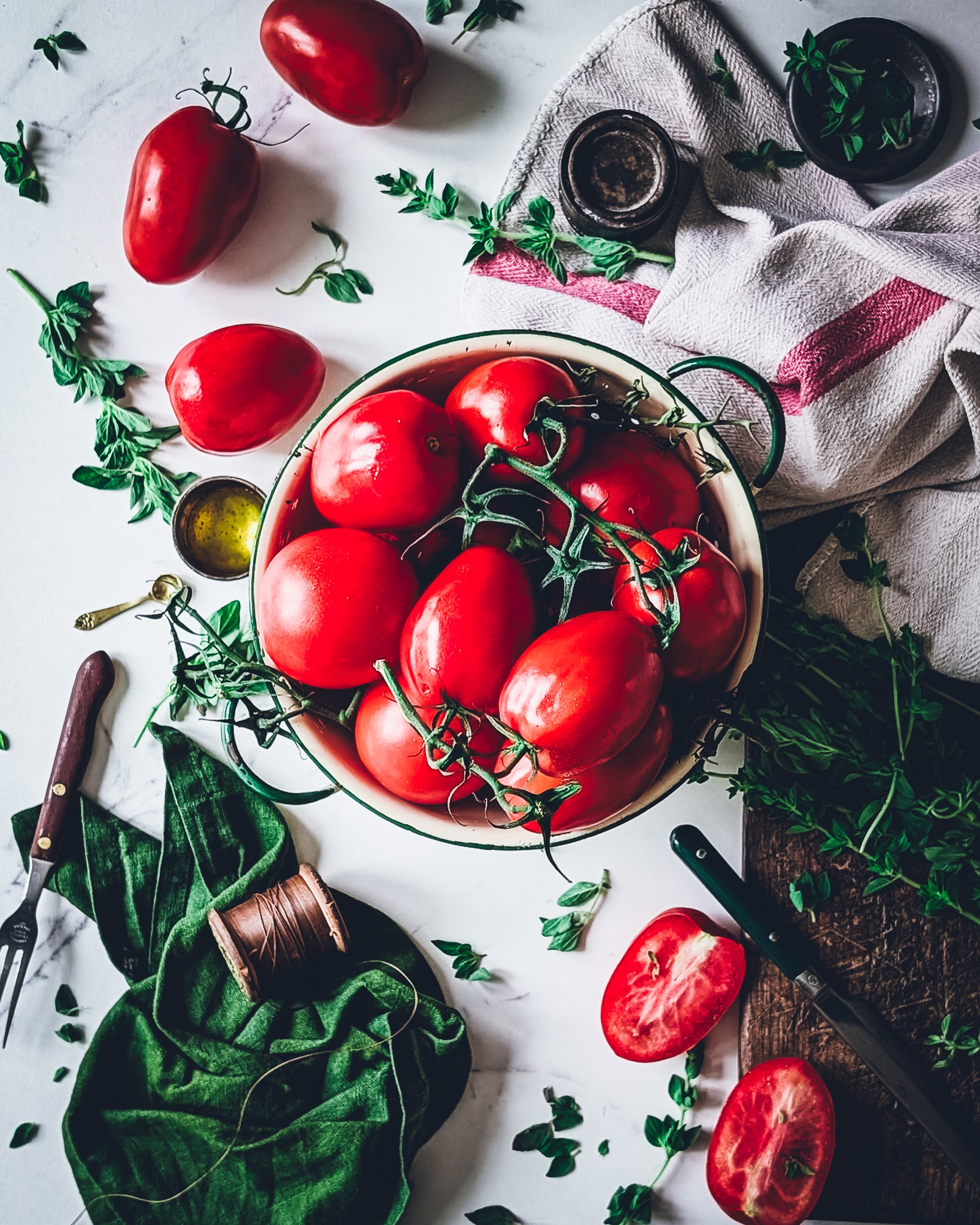
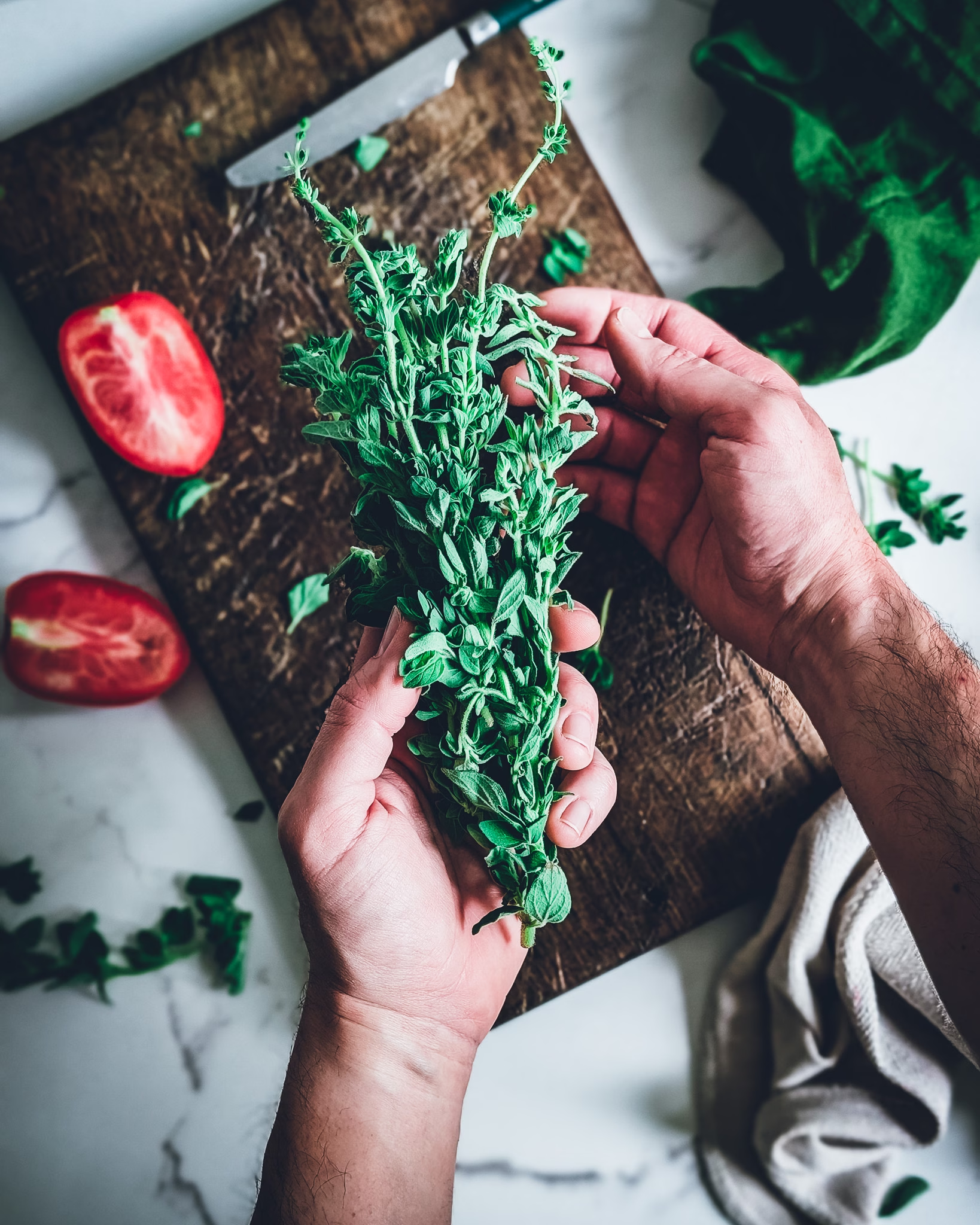
Fresh oregano and marjoram give this dish its characteristic smell, that sense of being in a Mediterranean kitchen. If you don't have fresh marjoram, dried oregano can work as a substitute (Agnes's mum uses it sometimes), but we really wouldn't recommend dried marjoram; it tastes completely different from the fresh herb and we think it misses the point entirely.
Thyme is also technically an option, and it's lovely in many tomato dishes, but it can be quite overpowering. We prefer to keep this about that specific oregano-and-marjoram combination—it's the smell we grew up with, the one that reminds us of both our kitchens. But if you are a thyme lover, please go for it, as it's lovely!
On sugar
Some people add a pinch of sugar to "balance the acidity" of tomatoes. Our mothers never did this, and neither do we. There's no such thing as balancing acidity with sweetness, you're just adding sweetness. If you buy good, ripe, organic tomatoes in season (which is the only time to make this dish), there won't be any harsh acidity to balance. The tomatoes will be naturally sweet, and sugar would only get in the way.
On heat
You can play with spices if you like, but we'd stay away from anything hot. This is about tasting the goodness of the tomatoes themselves, nothing more.
On salt and pepper
Don't be shy here. Salt is what elevates this dish from pleasant to memorable.
On eating it
This is the perfect dish for a hot summer day. It takes minutes to make but feels deeply comforting to eat, the kind of food that's both light and nourishing when you don't want anything heavy. Tomatoes are mostly water and naturally refreshing, making them perfect for warm weather. And they always taste best when summer is all around you.
Ingredients
Serves 4 as a side
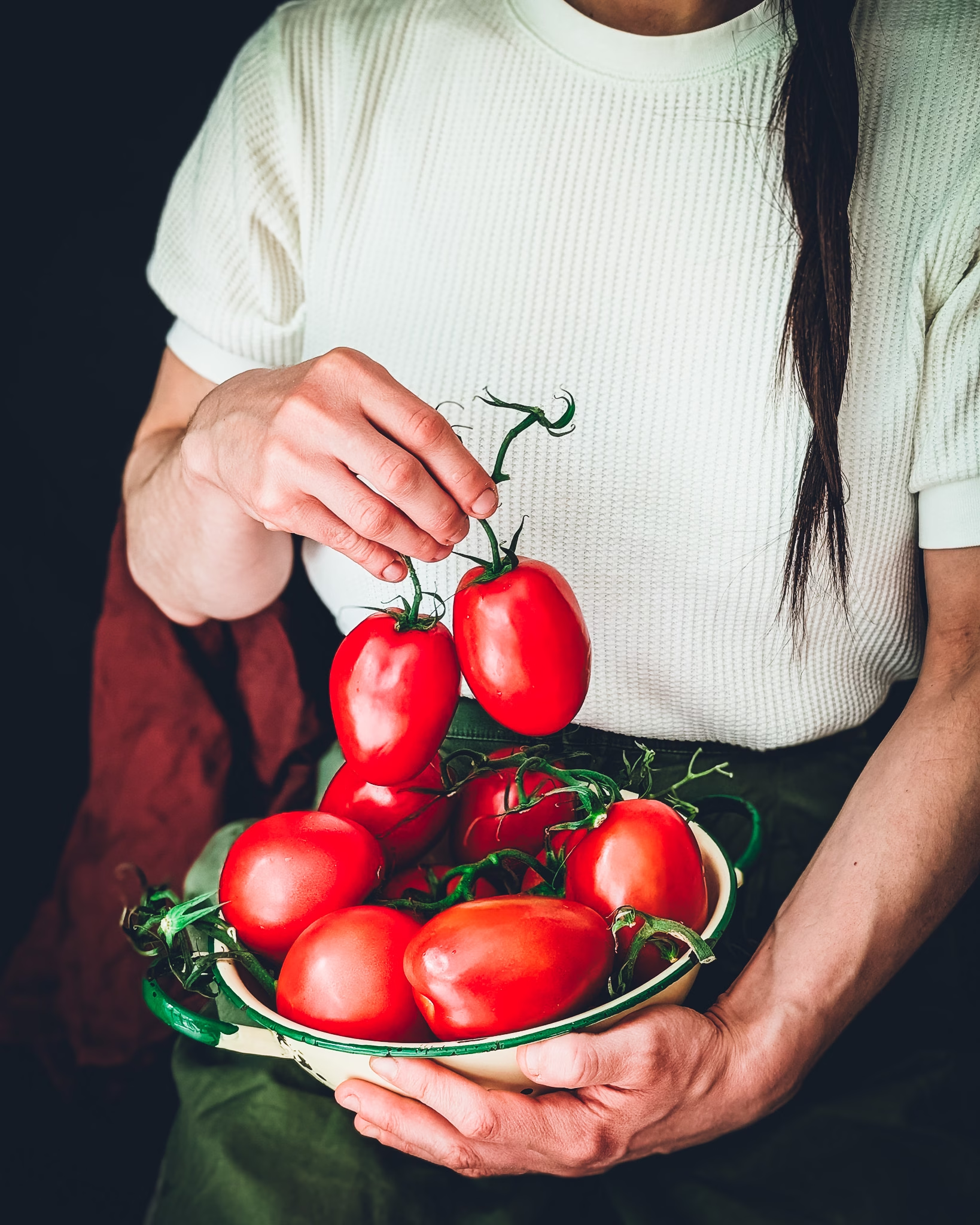
- 8 large, ripe tomatoes (salad or plum tomatoes are ideal)
- 5 tbsp fresh oregano and marjoram (or 2 tbsp dried oregano)
- 3 large garlic cloves, peeled and halved
- 3 tbsp extra virgin olive oil
- Sea salt and black pepper to taste
Directions
1. Prepare the tomatoes
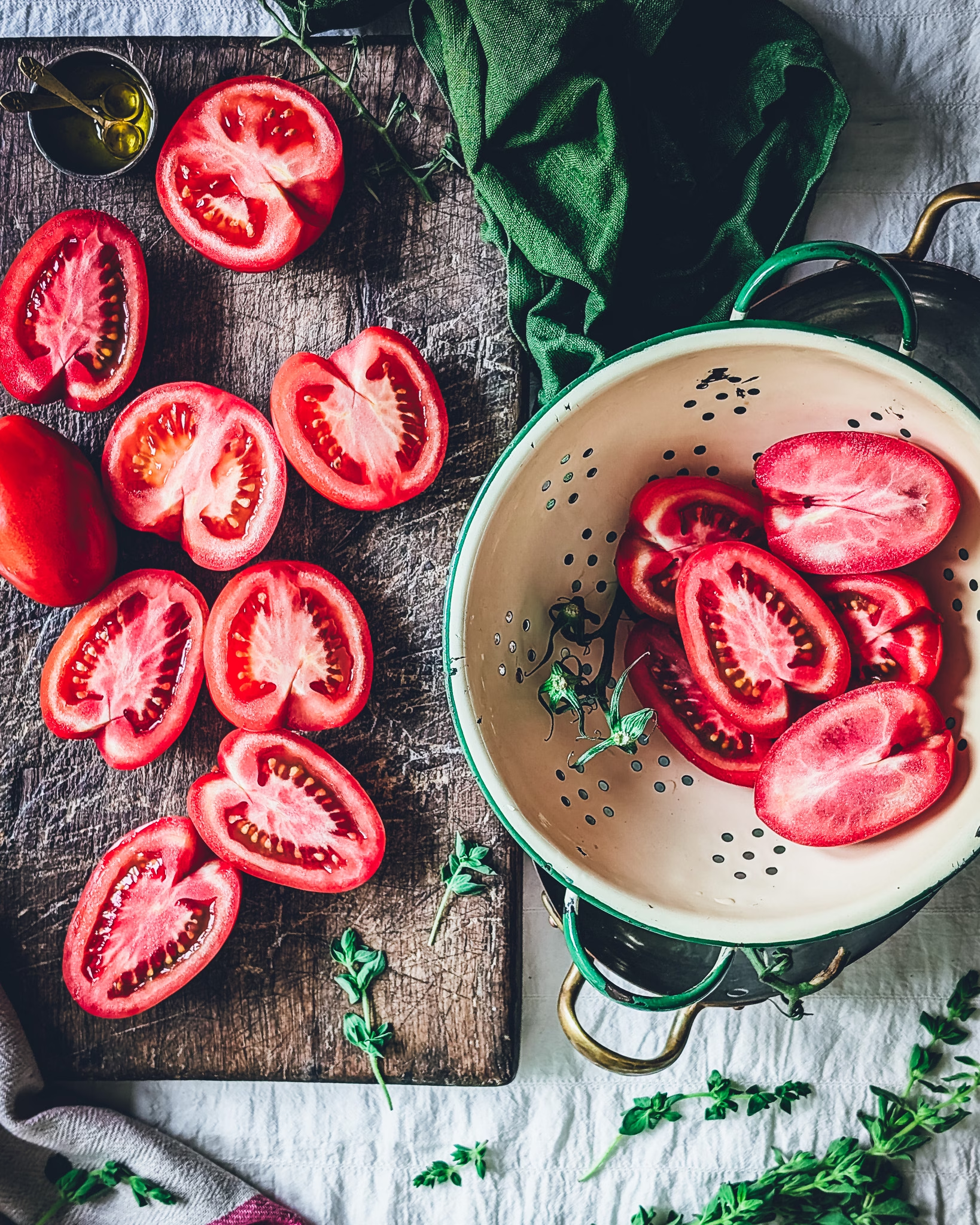
Slice each tomato in half. Using a small knife, make a neat V‑cut to remove the hard core where the vine was attached. If using fresh herbs, strip the leaves from any thicker stalks and set aside.
2. Infuse the oil
Place a wide pan on medium‑low heat and pour in the olive oil. Add the halved garlic cloves. Let them warm slowly until they turn a soft blonde colour. Flip to colour the other side, then remove before they darken. Set aside.
3. Cook the tomatoes
Raise the heat to medium. Arrange the tomatoes cut‑side down in a single layer. Cook for about 10 minutes, gently shaking the pan now and then so they don’t catch. Meanwhile, finely mince the reserved garlic and roughly chop the herbs if using fresh.
4. Flip and season
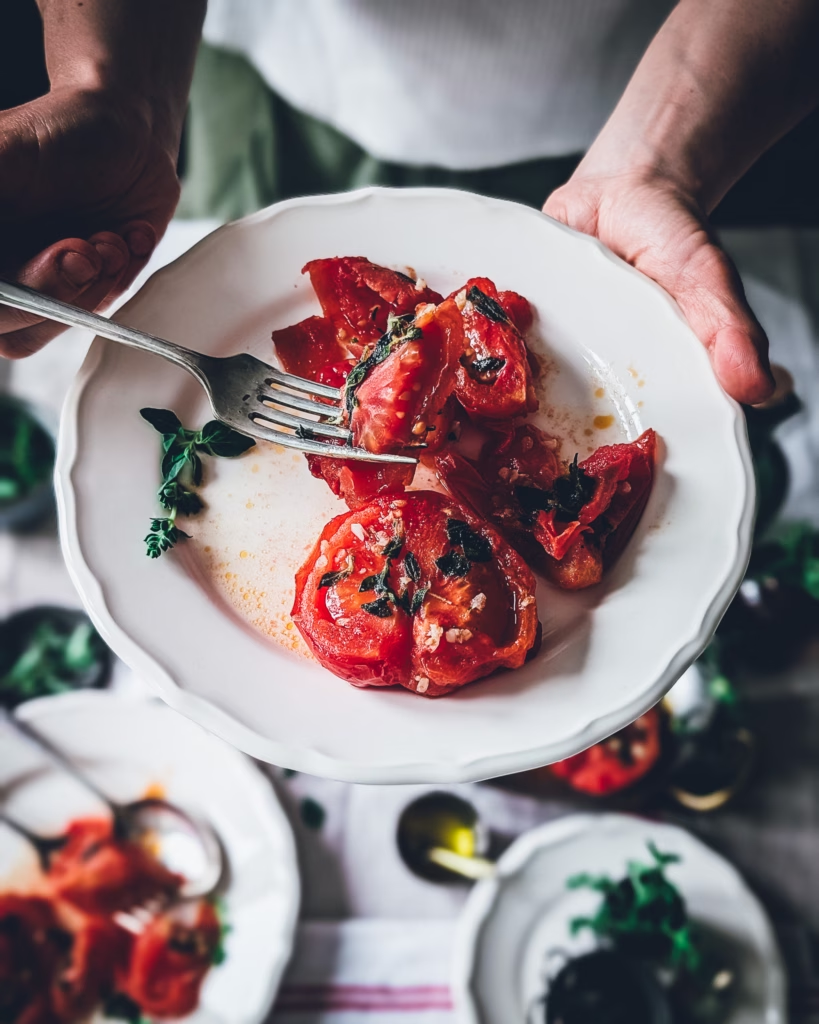
Turn the tomatoes over with a spatula. Season the cut side with sea salt and black pepper. Scatter the minced garlic and most of the herbs (or dried oregano) evenly over the tomatoes, keeping a little aside for serving. Cover with a lid and cook for another 5 minutes.
5. Finish and serve
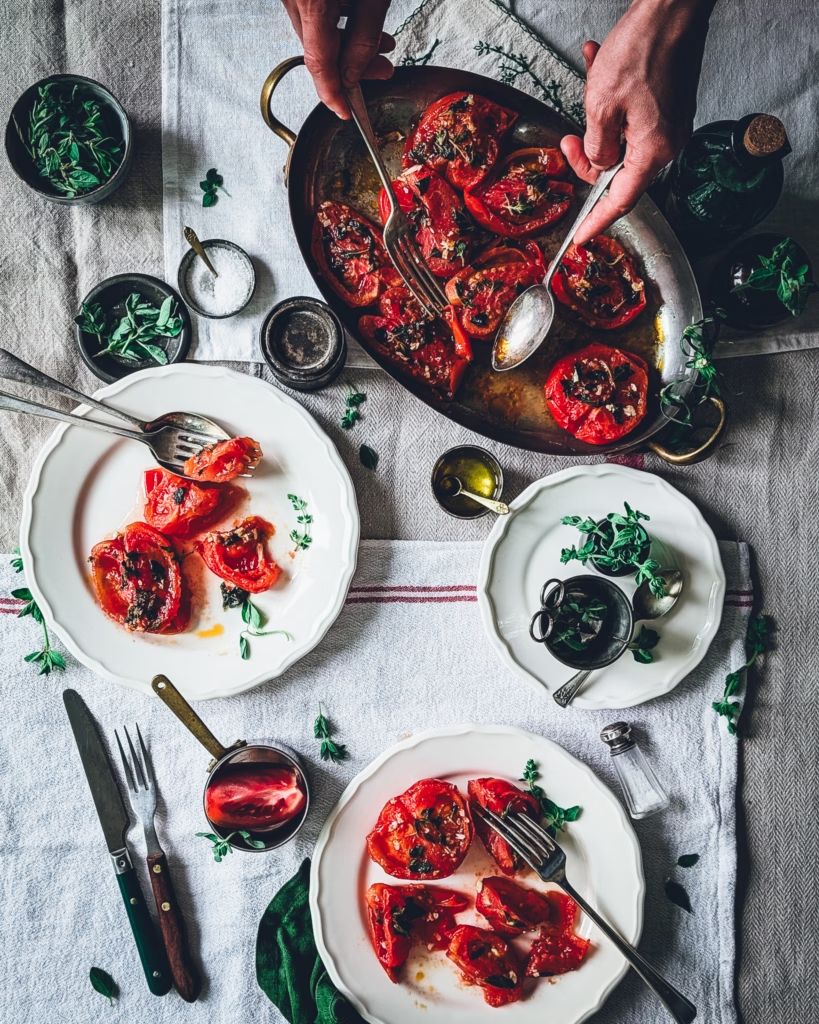
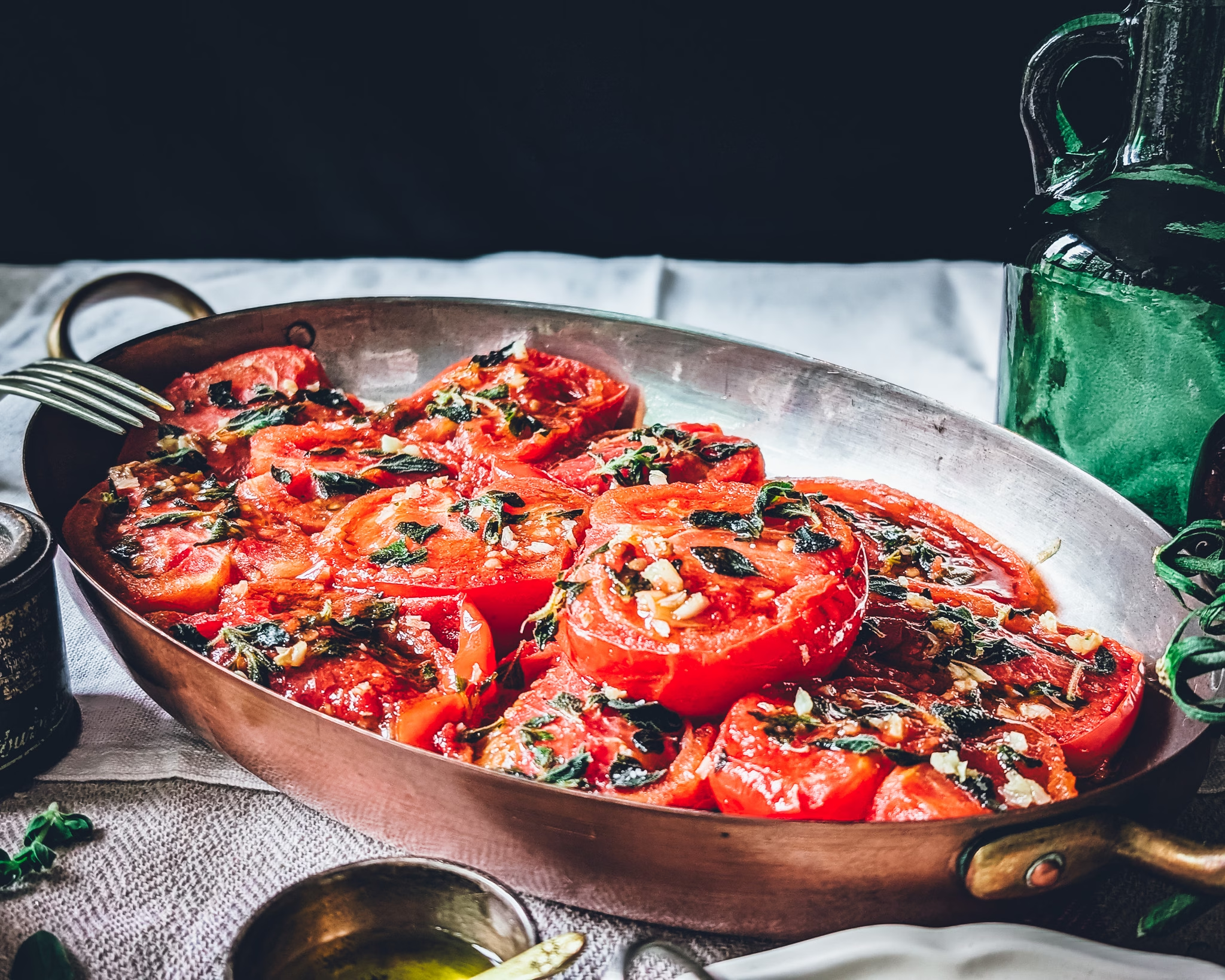
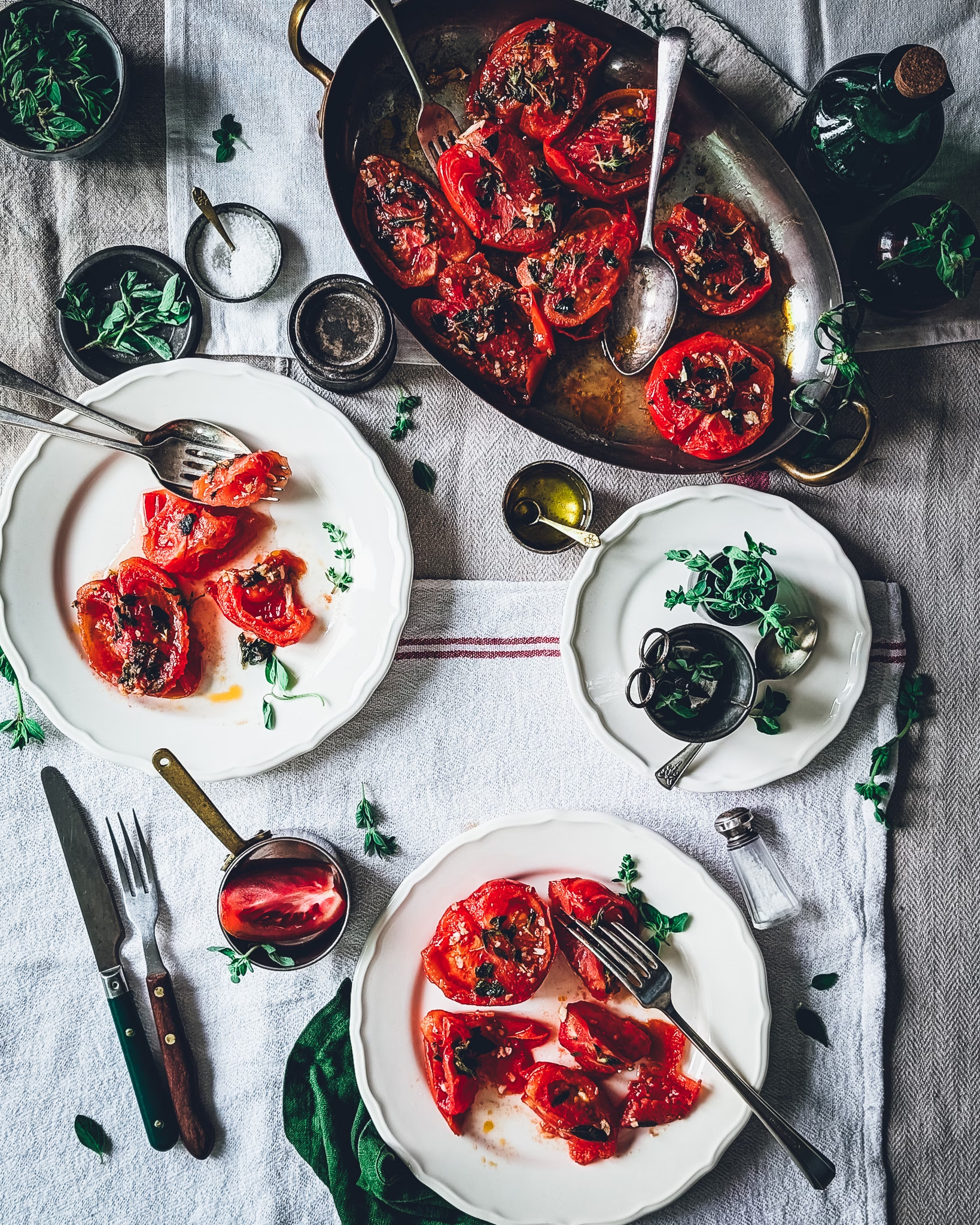
Remove the pan from the heat. Add the reserved herbs and a final drizzle of olive oil. Serve the tomatoes on a platter or bring the pan straight to the table.
Share this recipe: